
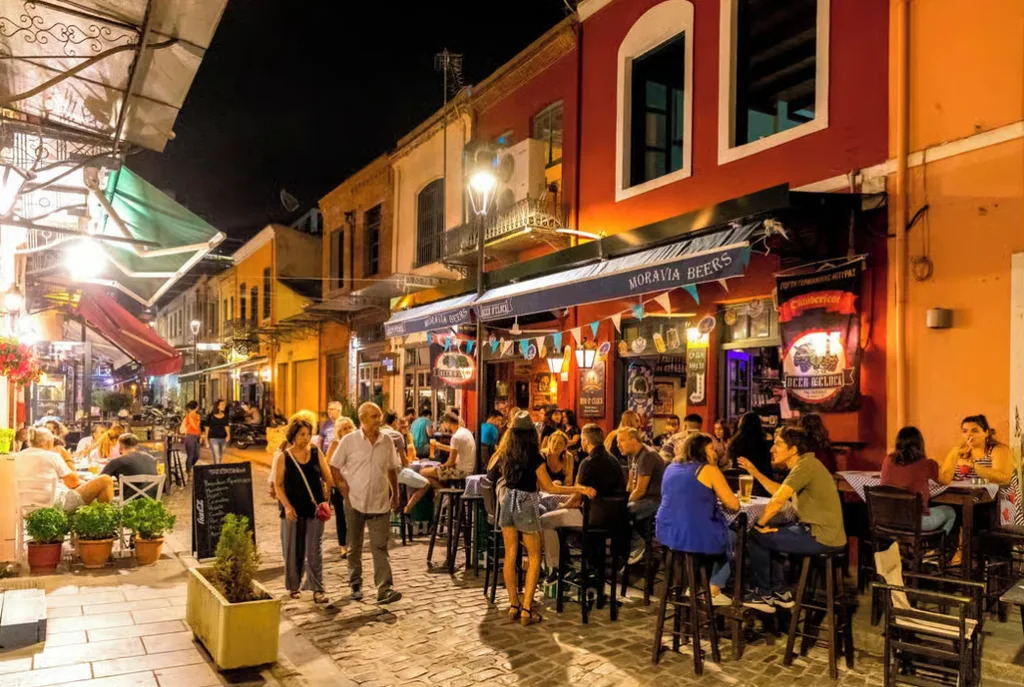
Meeting a knowledgeable local guide is one of the most effective ways to experience Thessaloniki beyond its familiar landmarks. Rather than following a fixed sightseeing script, visitors can shape the day around their interests, pace, and expectations. The experience may focus on traditional food, ancient and modern history, distinctive architecture, independent shops, photography, nightlife, or the everyday character of local neighborhoods. It can also remain deliberately open, allowing travelers to discover the city’s atmosphere through relaxed walks, conversations, and spontaneous stops.
A private experience offers the flexibility that larger group tours cannot always provide. Travelers can ask questions freely, spend more time at places that capture their attention, or move on when a location does not match their interests. The route can be adjusted as the day unfolds, whether that means adding a market, seeking a quieter street, finding a particular type of restaurant, or pausing for a coffee with a view. This adaptable approach creates space for genuine interaction and a more personal understanding of the city.
Planning can begin with practical details. The meeting point may be arranged near a hotel, apartment, central square, or another preferred starting area. The itinerary can also account for mobility requirements, available time, walking preferences, and the desired level of activity. Some visitors may want an energetic route covering several districts, while others may prefer a shorter exploration with frequent breaks and accessible transport options.
The aim is an authentic introduction to Thessaloniki, not a rigid checklist of attractions. Along the way, a guide can offer personal recommendations for meals, cultural venues, shopping, evening activities, and places worth revisiting independently. Local knowledge also helps travelers understand how different parts of the city connect, what is most suitable at a particular time of day, and where everyday life continues beyond the main tourist routes.
A walking route through Thessaloniki can begin at the Arch of Galerius, where Roman history meets the energy of the university district. From this prominent landmark, the route may continue toward the Rotunda and along streets shaped by Byzantine, Ottoman, Jewish, and modern Greek influences. Rather than following a fixed sequence, the walk can adjust to visitors’ interests, pace, and available time, returning to the starting point or ending at another convenient central location.
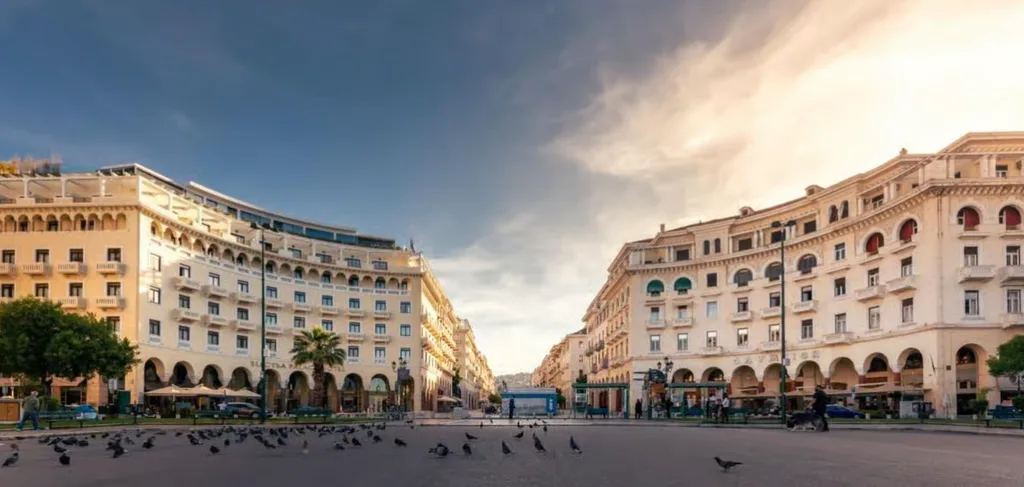
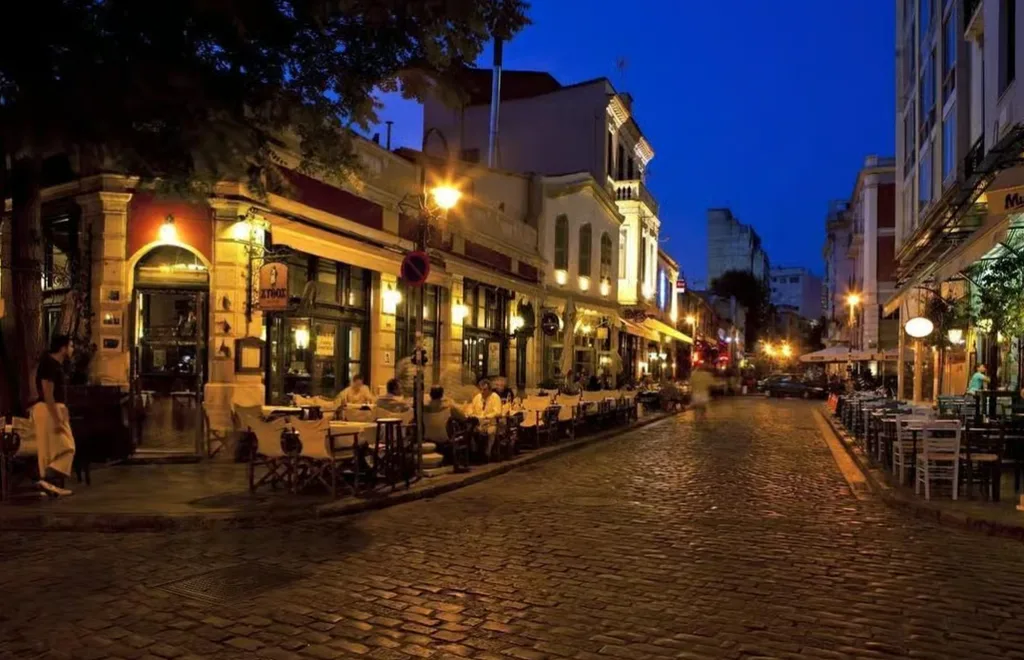
The route can combine celebrated sights with less familiar passages, small squares, local shops, and cafés where residents pause during the day. Commercial streets reveal the city’s busy rhythm, while nearby markets introduce its aromas, conversations, and changing daily routines. A guide can also lead visitors into quieter corners, pointing out ordinary buildings, neighborhood bakeries, and shaded meeting places that may not appear in standard travel itineraries but help explain Thessaloniki’s distinctive character.
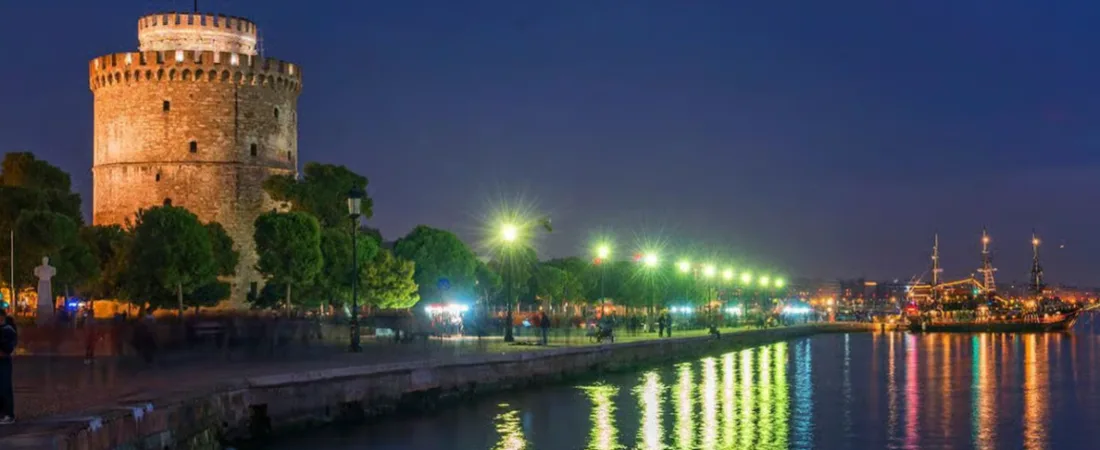
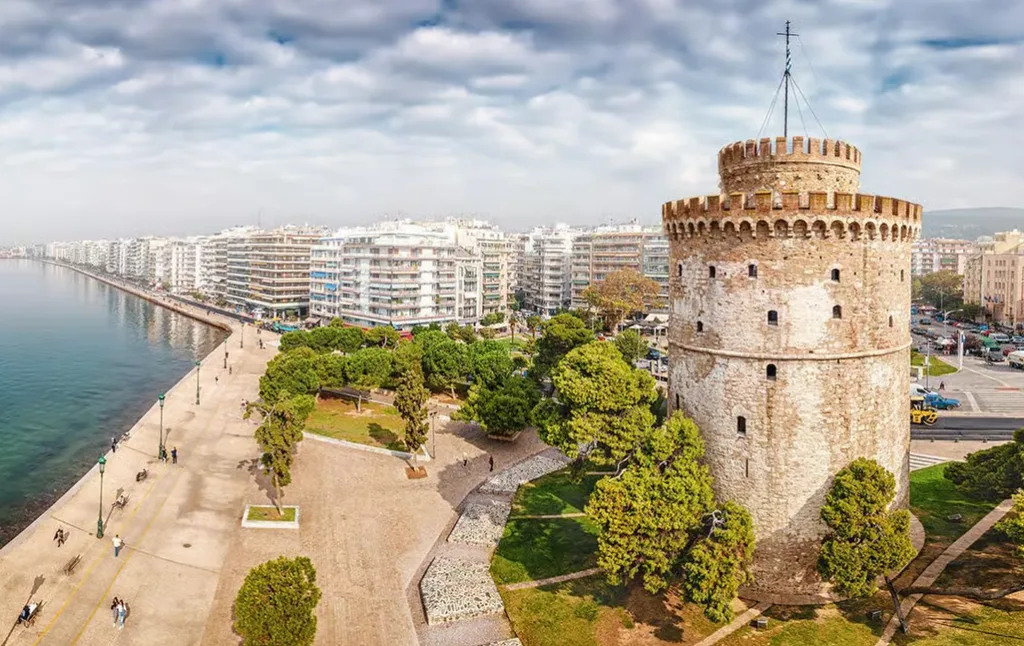
As the walk extends toward the waterfront, the atmosphere changes again. Historic streets give way to open views across the Thermaic Gulf, lively promenades, and landmarks such as the White Tower. Depending on the route, visitors may explore central neighborhoods, climb toward viewpoints, or follow streets where layered architecture reflects centuries of commercial and cultural exchange. Along the way, carefully chosen stops offer memorable photographs, from illuminated monuments and colorful façades to broad coastal horizons and intimate urban scenes.
The purpose is not to complete a checklist of attractions, but to understand how Thessaloniki feels, moves, and lives. Explanations of history and architecture are connected with observations about contemporary habits, local businesses, public spaces, and the city’s evolving cultural life. This flexible approach allows visitors to see both its major landmarks and its everyday settings, creating a more personal impression of a city experienced through movement, conversation, food, and changing streetscapes.
A well-planned visit to Thessaloniki begins with food that matches your tastes, schedule, and budget. Rather than directing every traveler to the same famous address, a personalized guide can recommend traditional tavernas, contemporary restaurants, neighborhood bakeries, cafés, markets, bars, and specialty food shops according to individual preferences. You might seek local dishes such as bougatsa, seafood, meze, or grilled meats, while another traveler may need vegetarian, vegan, gluten-free, or other dietary options. Recommendations can also distinguish between a quick casual meal, an affordable lunch, a carefully prepared fine-dining experience, and a late-night snack. Coffee enthusiasts can explore the city’s distinctive café culture, while visitors with a sweet tooth can find pastry shops and dessert specialists. Suggestions close to your accommodation are especially useful when time is limited or when you prefer to explore on foot.
The same local perspective can improve a shopping itinerary. Beyond standard souvenir stalls, Thessaloniki offers independent stores, traditional markets, delicatessens, spice merchants, bakeries, wine shops, and businesses selling regional products. A guide can point visitors toward neighborhoods where residents shop for olive oil, honey, herbs, cheeses, handmade goods, clothing, books, and household items. These recommendations encourage meaningful purchases while supporting local businesses and revealing how different districts function throughout the day.
Evening plans can be tailored just as carefully. Depending on your age group, interests, and preferred atmosphere, a guide may suggest quiet wine bars, lively cocktail venues, music clubs, cultural performances, or entertainment areas connected by a practical walking route. Local advice also helps travelers avoid tourist traps, inflated prices, misleading offers, and common scams. Check menus and prices before ordering, clarify serving sizes, confirm payment methods, and be cautious of unsolicited recommendations or venues that pressure guests to enter. Respectful interactions, transparent ordering, and choosing places busy with local residents usually lead to more genuine experiences. The goal is not to avoid popular locations entirely, but to understand their value and recognize when a recommendation serves the traveler rather than the business.
The value of a local introduction extends well beyond a walking route. During the rest of a stay, a knowledgeable guide can explain which public transport options are most practical, where to buy or validate tickets, and when a taxi is worth considering. Advice about walking distances is equally useful: destinations that appear close on a map may involve steep streets, busy roads, or long stretches without shade. A guide can also compare neighborhoods and suggest the most convenient area to stay, taking into account transport links, nightlife, the seafront, quiet surroundings, or proximity to museums and restaurants.
Personal recommendations make everyday decisions easier. Rather than relying on anonymous reviews, travelers can ask for dependable restaurants, bakeries, pharmacies, markets, cafés, or other services near their accommodation. The same local knowledge can help identify a suitable beach, a worthwhile day trip, or an outdoor activity according to the season and weather. Options may include coastal excursions, nature walks, archaeological sites, villages, museums, cultural events, and viewpoints around the wider Thessaloniki area. Suggestions are most useful when matched to the available time, budget, energy level, and preferred travel style.
A local guide can also help shape an evening or organize unplanned hours. They may recommend a relaxed neighborhood dinner, a lively music venue, a cultural performance, a sunset walk, or a carefully chosen bar, while explaining opening times and the easiest way to return. If time is limited, the guide can distinguish essential experiences from attractions that require lengthy travel or offer little value for a particular visitor. This practical filtering reduces the risk of wasting time on inconvenient connections, overcrowded venues, or places that are popular online but disappointing in person.
Most importantly, tailored advice gives travelers confidence after the formal experience has ended. They leave not only with impressions of Thessaloniki, but also with a reliable set of ideas they can use throughout their stay. Whether the priority is food, history, beaches, local life, or spontaneous discovery, trusted guidance creates a deeper connection with the city while making each remaining day more comfortable, flexible, and rewarding.