Introduction to Enhanced Cleaning Practices
In recent years, the significance of cleaning practices within rental apartments has gained substantial attention, especially following global health events that have heightened awareness around hygiene. As a result, both landlords and tenants are increasingly recognizing the necessity for elevated cleaning standards. The repercussions of these events have led to a profound shift in the way cleanliness is perceived, making it a critical aspect of rental agreements and tenant satisfaction.
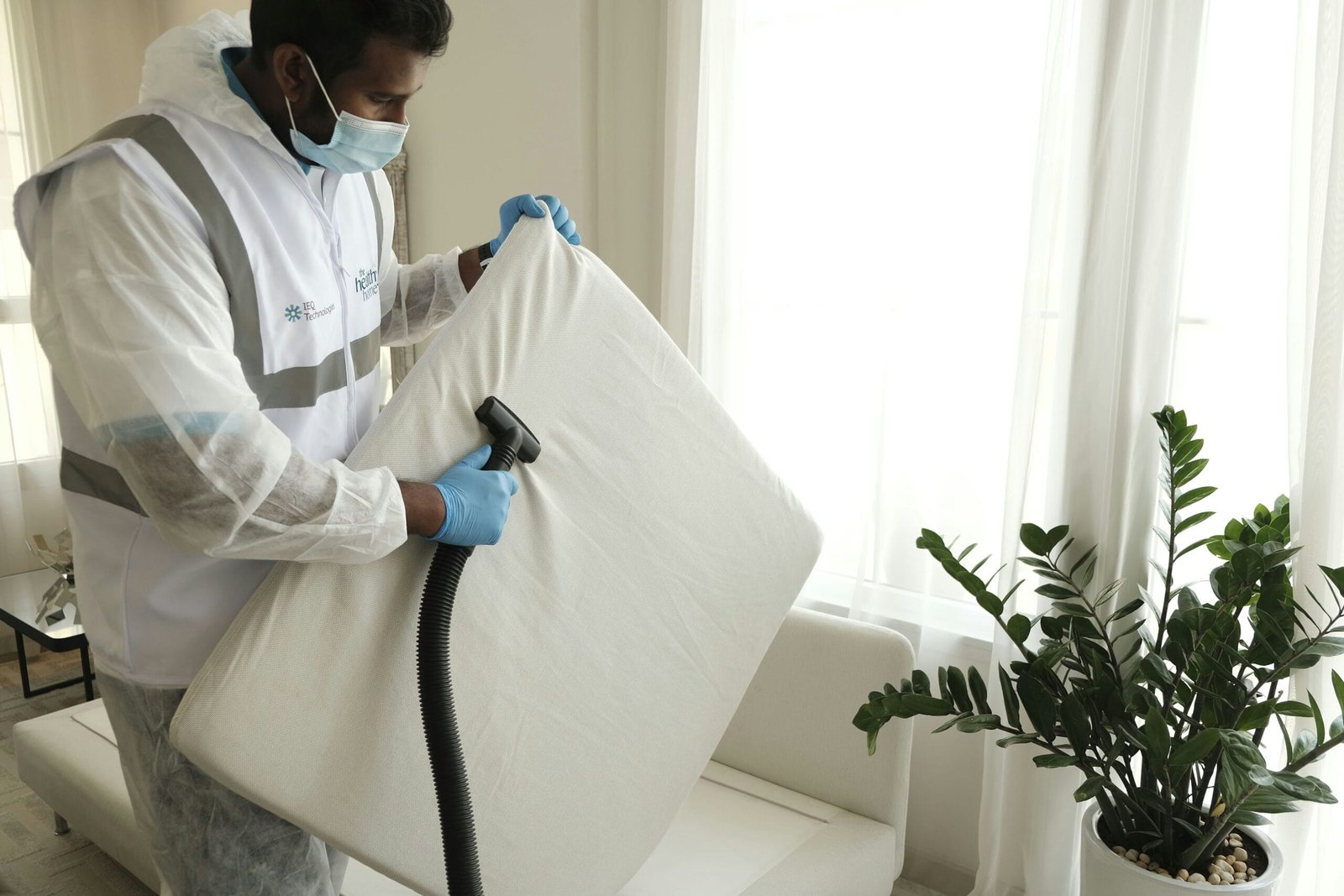
The application of enhanced cleaning practices is not just about maintaining a tidy appearance; it reflects a commitment to best health practices and tenant well-being. Landlords are now prioritizing the implementation of rigorous cleaning protocols that go beyond the typical standards. This proactive approach not only ensures healthier living environments but also positions properties as more attractive options in a competitive rental market.
Tenants, on the other hand, are now more educated about the importance of cleanliness, and they often expect thorough cleaning before moving in. There is a growing demand for rental apartments that reflect higher hygiene standards, prompting property owners to reassess their cleaning routines. As a result, both parties are focused on achieving a common goal: to ensure a safe and spotless living space.
This evolving dynamic lays the groundwork for discussing specific methods that enhance cleaning effectiveness. By adopting improved strategies and utilizing modern cleaning technologies, property owners can create healthier, more enjoyable living environments. In the sections that follow, we will explore various enhanced cleaning practices that are reshaping standards in the rental industry, ensuring that both landlords and tenants benefit from safer, cleaner homes.
Cleaning Supplies: The Essentials for a Sanitized Space
To maintain elevated cleaning standards in our rental apartment, a selection of essential cleaning supplies and products has been implemented. These items not only address immediate cleanliness needs but also contribute to creating a safe and hygienic environment for residents and guests.
First and foremost, disinfectants play a crucial role in sanitization. Utilizing effective disinfectants that target germs and bacteria ensures that high-touch surfaces are given special attention. The use of hospital-grade disinfectants, when necessary, can further enhance the safety of the environment by providing an additional layer of protection against illness-causing pathogens.
In addition to traditional disinfectants, eco-friendly cleaners have been adopted to align with green cleaning practices. These products are made from natural ingredients that are less harmful to both health and the environment. By opting for biodegradable cleaners, we minimize chemical exposure while still achieving effective cleaning results. This approach is particularly important in rental settings, where guests may have sensitivities to harsh chemicals.
Microfiber cloths represent another essential tool in maintaining cleanliness. Unlike cotton cloths, microfiber cloths trap dust and impurities more effectively, reducing the need for chemical cleaners in many instances. They are versatile and can be used on a variety of surfaces, from glass to wood, and provide superior cleaning without leaving behind residue.
Moreover, utilizing tools such as mops and vacuum cleaners equipped with HEPA filters elevates the cleaning process. These tools are designed to capture fine particles, ensuring that allergens and dust are effectively removed from the living spaces. Regular upkeep with high-quality cleaning tools helps maintain not only visible cleanliness but also promotes respiratory health for occupants.
Overall, the combination of effective disinfectants, eco-friendly cleaning products, microfiber cloths, and quality cleaning tools establishes a comprehensive strategy towards achieving and maintaining elevated cleaning standards throughout the rental apartment.
Routine Cleaning Protocols: Keeping It Consistent
To maintain the elevated cleaning standards of our rental apartment, we have implemented a structured routine cleaning protocol. These protocols are designed to ensure that the apartment is consistently clean, hygienic, and inviting for both current and future tenants. By breaking down the cleaning tasks into daily, weekly, and monthly schedules, we can effectively manage the upkeep of the space.
Daily ( in the case of reservations, one night), essential cleaning tasks are conducted to keep the apartment tidy. These include dusting surfaces, wiping down kitchen counters, and sanitizing high-touch areas such as door handles and light switches. Additionally, we prioritize maintaining the cleanliness of bathrooms, ensuring that sinks, toilets, and showers are hygienic. Another daily task involves taking out the trash and replacing liners, which helps prevent unpleasant odors and maintains an overall sense of freshness within the apartment.
Weekly cleaning tasks provide a more thorough cleaning to complement the daily efforts. Every week, we focus on activities such as vacuuming and mopping floors, deep cleaning kitchen appliances, and laundering bed linens and towels. This systematic approach ensures that all areas of the apartment receive attention, preventing the accumulation of dust and grime. We also dedicate time to organizing common areas, which enhances the overall appearance and functionality of the living space.
Furthermore, a monthly cleaning routine is established for tasks that require more time and effort. This includes cleaning windows, dusting blinds and baseboards, and inspecting and cleaning ventilation systems. By adhering to this comprehensive cleaning schedule, we can ensure that every corner of the apartment is attended to regularly.
Utilizing checklists and schedules for maintenance is crucial. These tools help us not only track completed tasks but also ensure that no areas are overlooked. By fostering these habits, we uphold our commitment to providing a clean and well-maintained rental apartment for all occupants.
Feedback and Continuous Improvement in Cleaning Practices
Gathering feedback from tenants is essential in ensuring that the cleaning practices in rental apartments meet their needs and expectations. By actively seeking tenants’ opinions, property management can gain valuable insights into the effectiveness of current cleaning protocols. This engagement fosters a sense of community, encouraging residents to voice their preferences and concerns regarding cleanliness and maintenance.
Moreover, tenant feedback can illuminate areas that may require modification or enhancement within existing cleaning routines. For example, if multiple tenants express concerns about the thoroughness of cleaning in common areas, management can investigate and adjust protocols accordingly. This responsive approach not only improves the cleanliness of shared spaces but also demonstrates a commitment to tenant satisfaction, increasing retention rates.
The practice of regular feedback collection can take various forms, including surveys, suggestion boxes, or direct communication channels. By implementing these methods, property managers can set a tone of transparency and responsiveness, which is crucial in the rental housing market. Importantly, feedback should be regularly analyzed and used to inform adjustments to cleaning schedules, products, or even staff training. This cycle of continuous improvement ensures that cleaning practices evolve alongside tenant expectations, fostering a healthier living environment.
Regular evaluation of feedback allows management to identify trends and emerging needs. For instance, if tenants increasingly prioritize eco-friendly cleaning materials, property management can respond by adapting their cleaning protocols to include sustainable products. Such initiatives not only enhance tenant satisfaction but also align with broader environmental goals, making the property more attractive to potential renters who value sustainability.