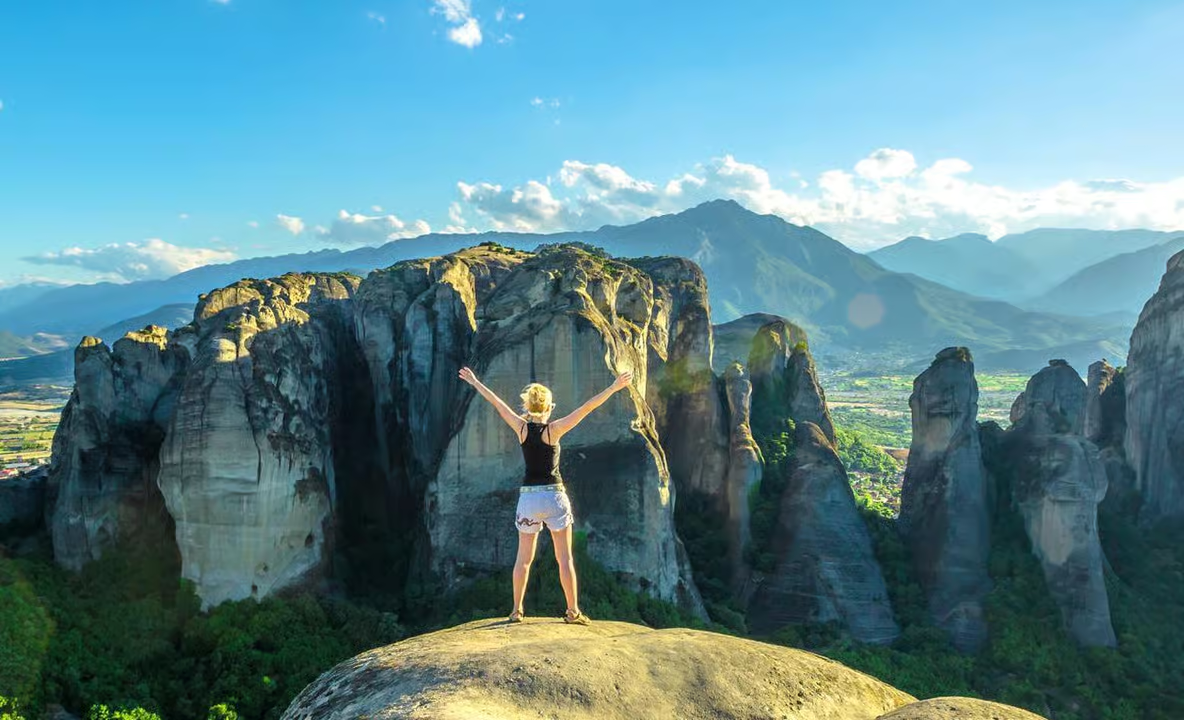
An Introduction to Meteora: A UNESCO World Heritage Gem
Meteora, a spectacular rock formation located in central Greece, is renowned for its breathtaking landscapes and cultural significance. Designated as a UNESCO World Heritage site in 1988, it is distinguished not only by its natural beauty but also by the architectural marvels of its ancient monasteries perched atop towering cliffs. These formations, which rise abruptly from the flat terrain, create a dramatic and unique scenery that attracts visitors from around the globe.
The history of Meteora dates back to the 14th century when monks sought seclusion and spiritual solace in these elevated sanctuaries. The region became a pivotal center of Orthodox Christian monasticism, with the establishment of several monasteries, some of which date back to this period. The monks constructed these monasteries using local stone, demonstrating remarkable craftsmanship and resilience against the elements. Today, six active monasteries remain, each telling its own story through exquisite frescoes, religious artifacts, and serene surroundings, thus amplifying the area’s spiritual significance.
Meteora is not merely an architectural marvel; it embodies a rich tapestry of history and culture that has shaped the region over centuries. The monasteries stand testament to the devotion and perseverance of the monks who contributed to the religious and cultural heritage of Greece. Furthermore, the harmonious integration of nature and human achievement present here offers invaluable insights into the theological and historical landscape of the time.
Visitors to Meteora are not only treated to stunning views but also an opportunity to explore its rich history through guided tours, hiking trails, and cultural experiences. The allure of this UNESCO World Heritage site lies in its dual appeal: the natural beauty of its majestic rock formations and the profound historical significance of the ancient monasteries that grace them, making it a destination of exceptional interest for those wishing to delve into Greece’s cultural legacy.
The Journey from Thessaloniki: What to Expect
Traveling from Thessaloniki to Meteora is not only a means of transportation, but it is also an integral part of the journey filled with scenic views and cultural experiences. The distance between Thessaloniki and Meteora is approximately 230 kilometers, making the trip manageable in about two and a half to three hours, depending on your method of transport.
There are several options to consider when planning your journey. The most popular choices include driving, taking a train, or joining a guided tour. If you decide to drive, you will enjoy the flexibility of stopping at various points of interest along the route. The A1 and E65 highways provide a straightforward path, and travelers are often rewarded with beautiful landscapes, including rolling hills and views of the Pindus mountain range.
Alternatively, the train service operated by the Hellenic Train company is a comfortable and scenic option. It typically departs from the Thessaloniki central station and offers a relaxing way to enjoy the passing countryside. Trains run regularly and provide a unique perspective of the region; however, travelers should check schedules in advance for availability.
For those preferring a hassle-free experience, joining a guided tour is an excellent choice. Most tours include transportation, a knowledgeable guide, and sometimes additional features like visits to local sites or meals. These tours can enrich the travel experience by connecting participants to the local history and culture.
Regardless of the chosen mode of transport, it is advisable to leave early in the morning to maximize the time spent exploring Meteora. The early departure allows travelers to take advantage of the stunning dawn scenery and avoid the peak crowds. Don’t forget to have your camera ready; the picturesque views along the journey promise a memorable start to an adventure at one of Greece’s most breathtaking sites.
Exploring the Monasteries: A Peek into Spiritual Heritage
The Meteora region, renowned for its towering rock formations, is also home to some of the most important monasteries in Greece. Among the six still-active monasteries, two stand out for their architectural grandeur and rich history: the Great Meteoron Monastery and the Varlaam Monastery.
The Great Meteoron Monastery, the largest and oldest of all, was founded in the 14th century by Saint Athanasius, an important figure in the monastic community. Its construction showcases a unique blend of Byzantine and post-Byzantine architectural styles, featuring massive stone walls and intricately decorated interiors adorned with frescoes. Visitors are often struck by the grand entrance, carved from local stone, along with its expansive courtyard that offers stunning views of the surrounding landscape. Within the confines of its walls, visitors can observe a collection of artifacts, including manuscripts, religious icons, and everyday items used by the monks, all serving as a testament to the monastic lifestyle.
Varlaam Monastery, founded shortly after the Great Meteoron in the 16th century, is another remarkable example of the region’s spiritual heritage. Known for its towering position atop a rock, Varlaam features a distinctive architectural style characterized by its limited use of available space, resulting in compact cells and chapel structures. Its interior is equally impressive, showcasing exquisite murals that narrate biblical stories. Among its notable artifacts, Varlaam houses an impressive library and a rare collection of religious paintings that reflect the deep faith and dedication of the monks who resided there.
Visiting these monasteries offers profound insights into the lives of the Orthodox monks who dedicated themselves to spiritual pursuits. Guests can engage with the rich traditions and practices of monastic life, gaining a deeper understanding of the solitude and reflection that characterizes this unique lifestyle. The breathtaking scenery, along with the architectural marvels, makes the experience at Meteora not only spiritually enriching but also visually captivating.
A Taste of Tradition: Dining in a Village Taverna
After a day of exploring the breathtaking landscapes and historical treasures of Meteora, partaking in a traditional Greek lunch at a local taverna offers a satisfying and culturally enriching experience. Nestled in idyllic surroundings, these tavernas present an inviting atmosphere that reflects the region’s rich culinary heritage. The warm, rustic decor often features wooden beams and charming mosaics, creating a sense of belonging and a peaceful retreat for visitors and locals alike.
As guests settle in, they are greeted with the alluring aromas of home-cooked Greek dishes, which are often prepared using locally sourced ingredients. The menu typically includes an array of delectable offerings such as moussaka, a comforting baked dish made with layers of eggplant, potatoes, and spiced ground meat, or souvlaki, skewered and grilled meat paired with freshly baked pita bread. These traditional recipes, passed down through generations, not only highlight the culinary diversity of the region but also honor the time-honored practices of Greek cooking.
The vibrant atmosphere of the taverna is accentuated by the sounds of laughter and conversation, as diners share stories of their day’s adventures. This communal dining experience allows guests to connect, enjoying not only the food but also the essence of Greek hospitality. Enhancing the meal is the local wine or a glass of traditional ouzo, which complements the flavors of the dishes and adds a celebratory touch to the occasion.
This significant meal serves as more than just nourishment; it is an integral part of the cultural explorations in the region. Culinary traditions play a vital role in preserving the history and identity of the locals. By participating in such culinary experiences, visitors gain insight into the customs associated with dining, which ultimately enriches their understanding of Greek culture. In conclusion, a meal at a village taverna is a delightful culmination of a day spent marveling at the wonders of Meteora, impacting the journey in a truly memorable way.