Introduction to Thessaloniki’s Rich Heritage
Thessaloniki, Greece’s second-largest city, boasts an intricate tapestry of history that spans over 2,500 years. Established in 315 BC, it has continuously evolved, reflecting the myriad of influences that have shaped its identity. This city serves as a cultural crossroads due to its strategic location between East and West, making it a significant hub throughout antiquity and into modern times.
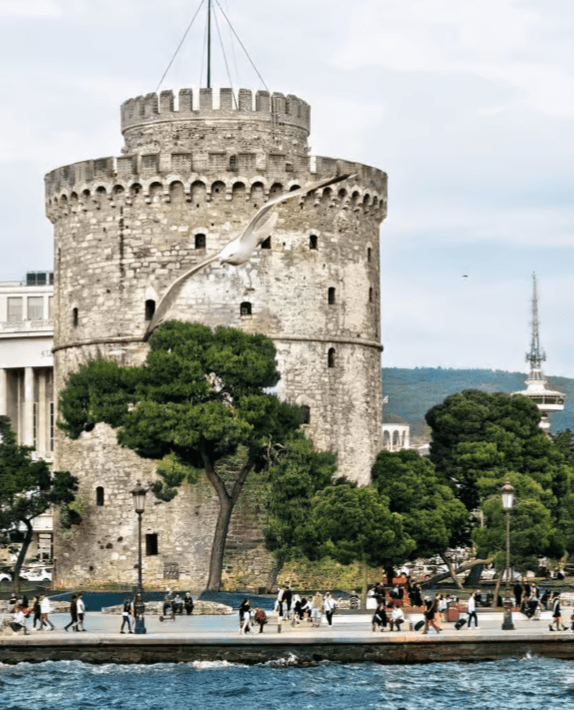
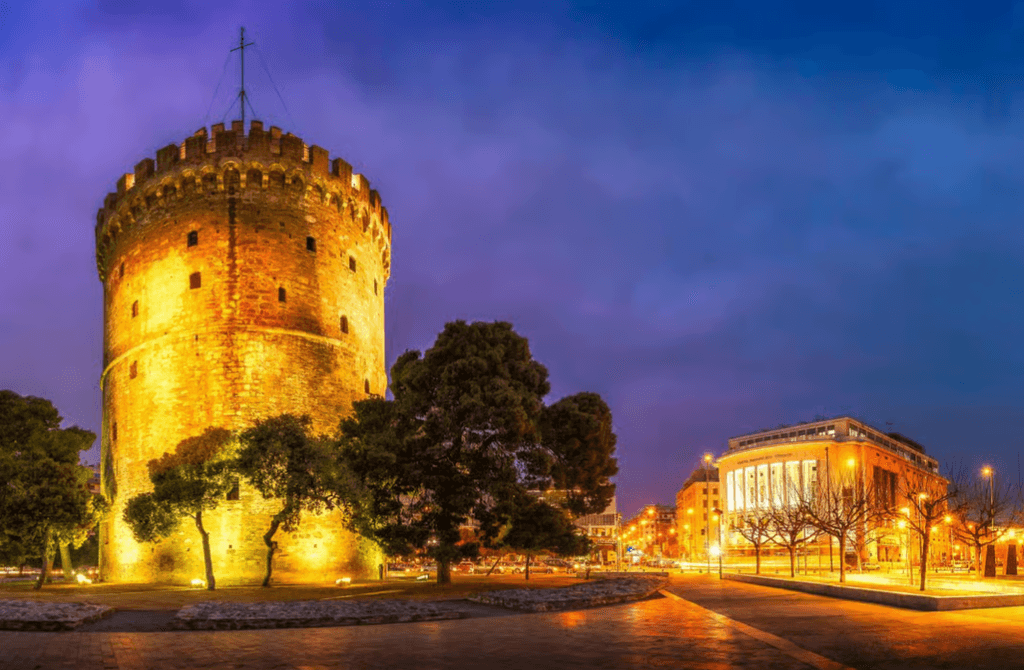
The historical significance of Thessaloniki cannot be overstated. It was a prominent city of the Roman Empire and later became a key center of Byzantine culture. This blend of historical eras is visible in its ancient ruins, Byzantine churches, and vibrant neighborhoods, allowing visitors to immerse themselves in the diverse narratives that have unfolded here. The city’s rich heritage includes monuments such as the Rotunda, the Arch of Galerius, and the White Tower, each chronicling a chapter of its past while also standing as a testament to the cultural resilience of its inhabitants.
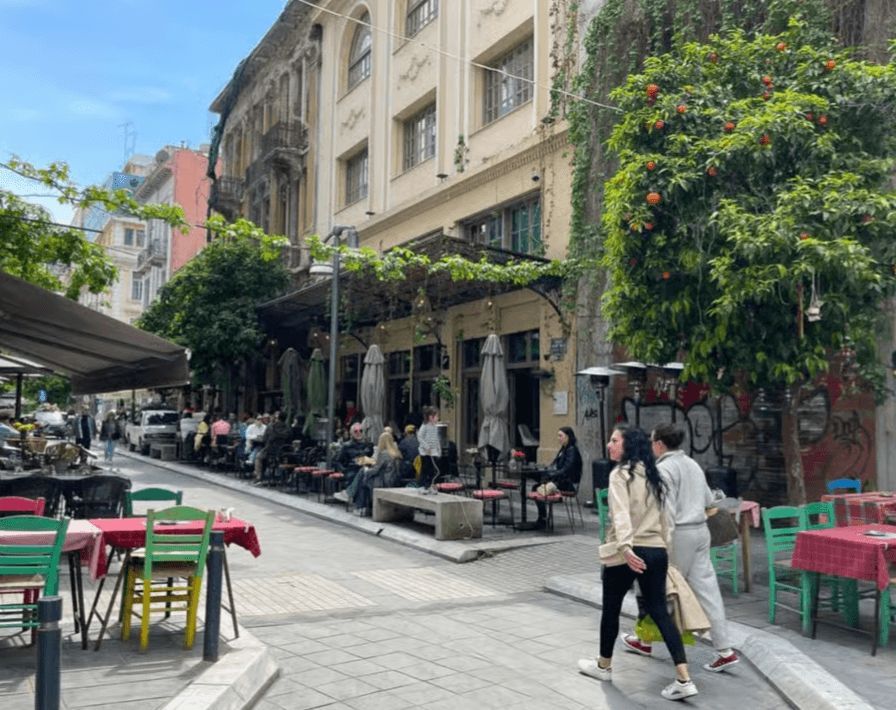
Moreover, Thessaloniki’s cultural diversity is a defining feature of its character. Historically, it has welcomed a variety of populations, including Greeks, Romans, Jews, and Ottomans. This melting pot of cultures has contributed to a vibrant contemporary scene, where tradition and modernity coexist harmoniously. The city’s lively markets, bustling cafes, and unique culinary offerings exemplify this blend, inviting visitors to not only witness but also engage with its dynamic community.
As we embark on this guided walking tour, it is crucial to appreciate Thessaloniki’s layered history. Each step through its streets reveals stories that have shaped its past and continue to influence its present. By understanding these historical contexts, we gain deeper insights into the city and its people, fostering a more meaningful connection to this wonderful destination.
The Heart of the Tour: Unique Experiences
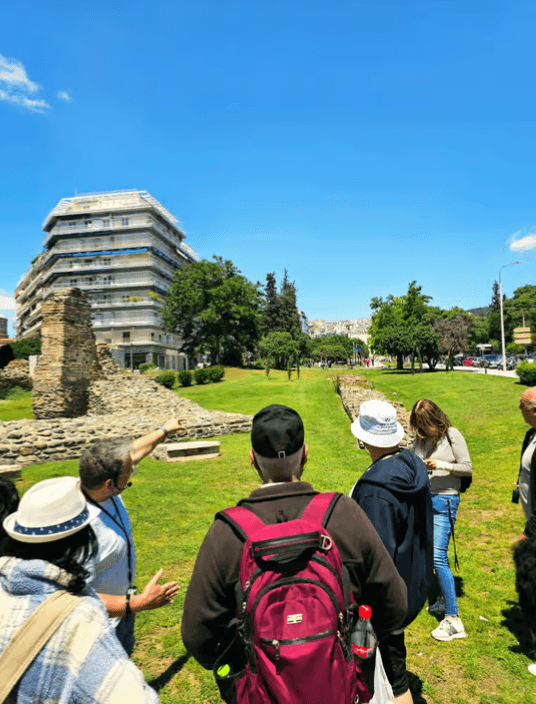
A guided walking tour through Thessaloniki offers a distinctive opportunity to explore the city on an intimate level, as the experience is limited to just 12 participants. This small group dynamic fosters an engaging and personalized atmosphere, ensuring that each attendee can fully appreciate the insights and stories shared by the guide. Participants can expect to delve deep into the city’s rich tapestry of neighborhoods, where they will encounter both well-known landmarks and hidden gems.
The tour encompasses a variety of historical sites, showcasing Thessaloniki’s diverse heritage. From the iconic White Tower to the ancient Rotunda, the itinerary is carefully curated to highlight the city’s evolution through the ages. Accessible yet informative, these sites serve as a backdrop for vivid storytelling. The guide’s narratives often infuse personal anecdotes and local lore, elevating the experience beyond typical tourist attractions.
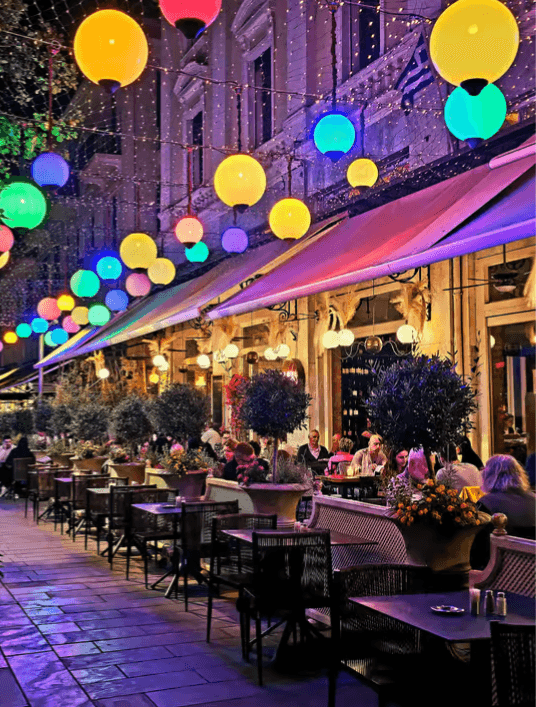
Each neighborhood presents its unique flavor and characteristics; the vibrant ambiance of Ladadika, the artistic spirit in the Modiano market, and the peaceful charm of Ano Poli each contribute to a multifaceted view of Thessaloniki. The guided walking tour invites participants not just to see but to feel the history and culture that permeates these spaces. Enthusiastic participants may also have opportunities to engage with local artisans and shopkeepers, further enhancing their appreciation for the community’s crafts and traditions.
This thoughtful blend of history, culture, and storytelling is what sets this guided walking tour apart. Travellers can immerse themselves in a narrative journey that reflects the city’s pulse, making the expedition both enlightening and memorable. The close-knit group allows for interaction and questions, creating a unique dialogue between the guide and participants that adds depth to the overall experience.
Cultural Tapestry: Communities that Shaped Thessaloniki
Thessaloniki, a city with a rich and complex history, has been shaped significantly by its diverse communities. Throughout the centuries, it has been home to various groups, including Jewish, Christian, and Muslim populations. Each of these communities has contributed uniquely to the cultural and architectural landscape of the city, weaving a vibrant tapestry that reflects the city’s multicultural heritage.
The Jewish community of Thessaloniki, one of the largest in Europe during the Ottoman period, played a pivotal role in the city’s commerce and intellectual life. The synagogue buildings, such as the Monastirioton, are remarkable examples of the city’s historical religious architecture. The influence of the Sephardic Jews, who settled in the city after being expelled from Spain in the late 15th century, is evident in the culinary traditions and linguistic nuances still present today.
Christian communities, primarily comprised of various Orthodox denominations, have also left their marks, notably in the form of historic churches and monasteries. The stunning architecture of these sacred spaces, such as the iconic Hagios Demetrios, demonstrates the importance of Christianity in shaping the identity and spiritual life of Thessaloniki. Additionally, the festivals and religious observances of these communities enrich the social fabric of the city.
Meanwhile, the Muslim population has also contributed to the city’s character, particularly during the Ottoman Empire’s influence. Numerous mosques and public baths, such as the Bey Hamam, showcase this heritage. Together, these groups have created a dynamic cultural environment that promotes inclusivity and dialogue.
As we navigate through Thessaloniki, it becomes clear that the interactions and coexistence of these communities have not only influenced the city’s physical appearance but also its social dynamics. Understanding this multicultural backdrop is essential to appreciating Thessaloniki’s identity and its evolution through the ages.
Personal Stories and Anecdotes: The Soul of the City
A guided walking tour through Thessaloniki reveals the unique heartbeat of the city, not merely through historical sites and landmarks but through the personal stories and anecdotes shared by locals. When wandering through the vibrant streets, visitors are often treated to delightful narratives that showcase the culture and daily life of Thessaloniki. These engaging stories serve as a gateway into understanding the local community, their traditions, and their experiences.
Each interaction with a resident in Thessaloniki can give rise to moments of joy and connection that resonate long after the tour has ended. For instance, while exploring the bustling Modiano Market, a vendor might regale you with tales of his family’s generations in the spice and produce business, offering insights into the city’s culinary heritage. Such exchanges emphasize the importance of engaging with the local populace, allowing visitors to gain a richer perspective on life in Thessaloniki beyond the mere observation of its beauty.
Laughter often enhances these moments. The warmth of the city’s hospitality shines through as guides and locals share humorous anecdotes about community events or festivals, encapsulating the spirit of Thessaloniki. These light-hearted stories forge a bond, encouraging visitors to feel more connected to the city. From tales of childhood games played in the city’s squares to the spirited discussions surrounding Thessaloniki’s football culture, visitors find themselves immersed in a narrative that reflects the vibrancy of life here.
Ultimately, these personal interactions transform a standard walking tour into an authentic experience, whereby the essence of Thessaloniki is not just witnessed but felt. The smiles of the people and their stories about everyday joys and challenges offer a profound depth to one’s understanding of this remarkable city. As travelers engage with these anecdotes, they embark on a journey that is as memorable as it is informative, capturing the true soul of Thessaloniki.