A Gastronomic Hub: The Culinary Scene of Thessaloniki
Thessaloniki, Greece’s second-largest city, boasts a vibrant and diverse culinary scene that epitomizes its rich history and cultural influences. This bustling metropolis, known for its lively atmosphere, presents a gastronomic hub that attracts food enthusiasts from both local and international realms. The city’s strategic location along trade routes accentuates the exchange of flavors, producing a unique food culture that embodies a blend of Mediterranean, Ottoman, and Balkan influences.
At the heart of Thessaloniki’s culinary identity lies a profound emphasis on local ingredients, which are essential to creating dishes that reflect the region’s agricultural bounty. Renowned for its fresh vegetables, sumptuous seafood, and quality meats, the city’s gastronomic landscape is characterized by a variety of signature dishes. One can find mouth-watering specialties such as gyros and souvlaki, which remain perennial favorites among both locals and visitors.
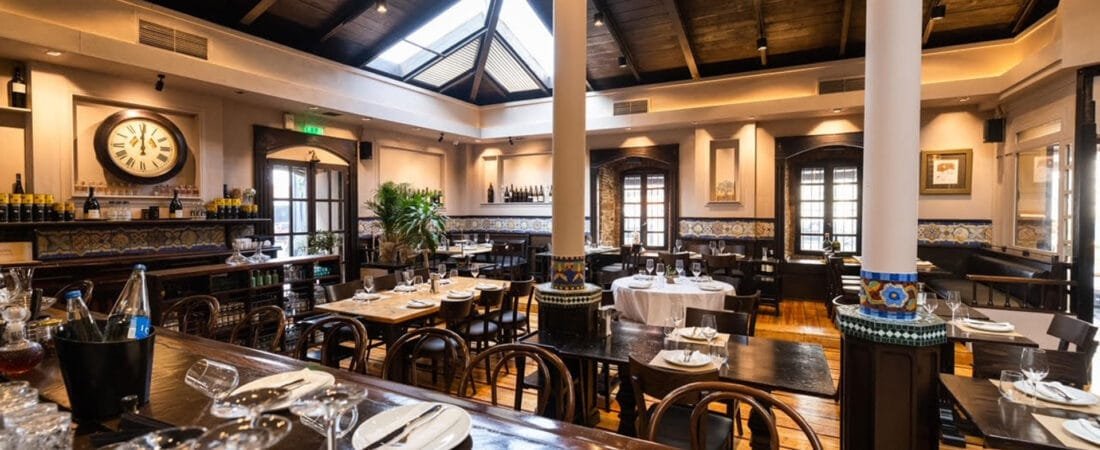
Moreover, Thessaloniki is famous for its iconic pastries, particularly bougatsa, a flaky pastry filled with cream or cheese and best enjoyed with a dusting of powdered sugar. Dining establishments throughout the city range from traditional tavernas to contemporary eateries, making it easily accessible for everyone to explore the culinary delights offered. Notable venues include classic staples like To Elliniko, where authentic Greek flavors are celebrated, and modern locales such as Vogatsikou 3, showcasing innovative approaches to traditional dishes.
In essence, the culinary richness of Thessaloniki is manifested in its diverse food landscape, making it a must-visit destination for those eager to embark on a flavorful journey. The city’s embrace of local produce, combined with its historical culinary influences, ensures a memorable gastronomic experience for all who venture into its culinary realm.
Merging Tourism with Gastronomy: The Tasty Connection
Thessaloniki, regarded as one of Greece’s culinary capitals, offers a unique intertwining of tourism and gastronomy that captivates the interest of both local and international visitors. The city’s rich history and diverse cultural influences couple with its vibrant food scene to create an unparalleled experience for tourists. Culinary tourism has become an essential facet of Thessaloniki’s appeal, with various initiatives encouraging travelers to explore the region’s culinary heritage.
One such initiative is food tours, which guide visitors through the bustling streets of Thessaloniki, introducing them to traditional dishes and local specialties, ranging from savory pies to delectable sweets. These tours often incorporate stops at markets, local eateries, and hidden gems, ensuring that tourists can sample authentic flavors. By fostering a deeper understanding of the local cuisine, food tours not only enhance the tourism experience but also contribute to the preservation of local culinary traditions.
Cooking classes represent another avenue through which gastronomy and tourism intersect in Thessaloniki. These classes invite participants to engage hands-on with local ingredients, learning to prepare traditional dishes from experienced chefs. By fostering a personal connection with the food, visitors often leave with a heightened appreciation for Thessaloniki’s culinary craftsmanship. Additionally, these classes provide a platform for cultural exchange, as tourists will find themselves immersed in the warmth of Greek hospitality.
Furthermore, gastronomic festivals celebrated throughout the year play a vital role in linking tourism and food culture in the city. These festivals spotlight local producers, chefs, and culinary trends while providing a communal atmosphere where tourists can celebrate and sample Thessaloniki’s rich gastronomic landscape. Such events not only bolster the local economy but also solidify Thessaloniki’s reputation as a destination for culinary enthusiasts.
Local Ingredients: The Heart of Thessaloniki’s Culinary Heritage
Thessaloniki, the vibrant second city of Greece, prides itself on a rich culinary heritage deeply rooted in the use of local ingredients. The city’s proximity to fertile lands, the Aegean Sea, and a thriving agricultural community facilitate an abundance of fresh and high-quality produce. This reliance on regional ingredients ensures that the culinary experiences offered in Thessaloniki are not only authentic but also reflect the seasonal variations and agricultural rhythms of the area.
Local markets, such as Modiano and Kapani, are at the forefront of Thessaloniki’s gastronomic culture, providing chefs and home cooks with a plethora of fresh fruits, vegetables, dairy products, and meats. The bustling atmosphere of these markets enhances the experience of sourcing ingredients while highlighting the connection between chefs and local producers. Many vendors offer traditional specialties that embody the distinct flavors of the region, including locally grown olives and aromatic herbs that are crucial elements in Greek cuisine.
Moreover, the emphasis on seasonal produce has led to a culinary trend that celebrates the natural flavors of the ingredients. Restaurants throughout Thessaloniki are increasingly committed to sourcing their components from nearby farms, ensuring that dishes are crafted with the freshest offerings available. This means that the menu can change frequently, reflecting the seasonal bounty of the region. Dishes like grilled sardines paired with seasonal roasted vegetables or fresh salads made with local greens and herbs exemplify how these ingredients play a pivotal role in the city’s gastronomy.
Ultimately, the commitment to local sourcing not only enhances the flavors of the culinary creations but also supports the region’s farmers and producers, reinforcing the cultural and economic fabric of Thessaloniki. The integration of local ingredients is thus essential in preserving and promoting the city’s culinary identity.
Culinary Experiences: Must-Visit Restaurants and Food Events
Thessaloniki’s culinary landscape offers a plethora of experiences ranging from traditional to contemporary, making it a haven for food enthusiasts. One cannot visit the city without indulging in a meal at some of its most acclaimed restaurants. Among these, Ouzeri Aristotle stands out for its authentic meze and fresh seafood, served in a charming setting that captures the essence of Greek dining.
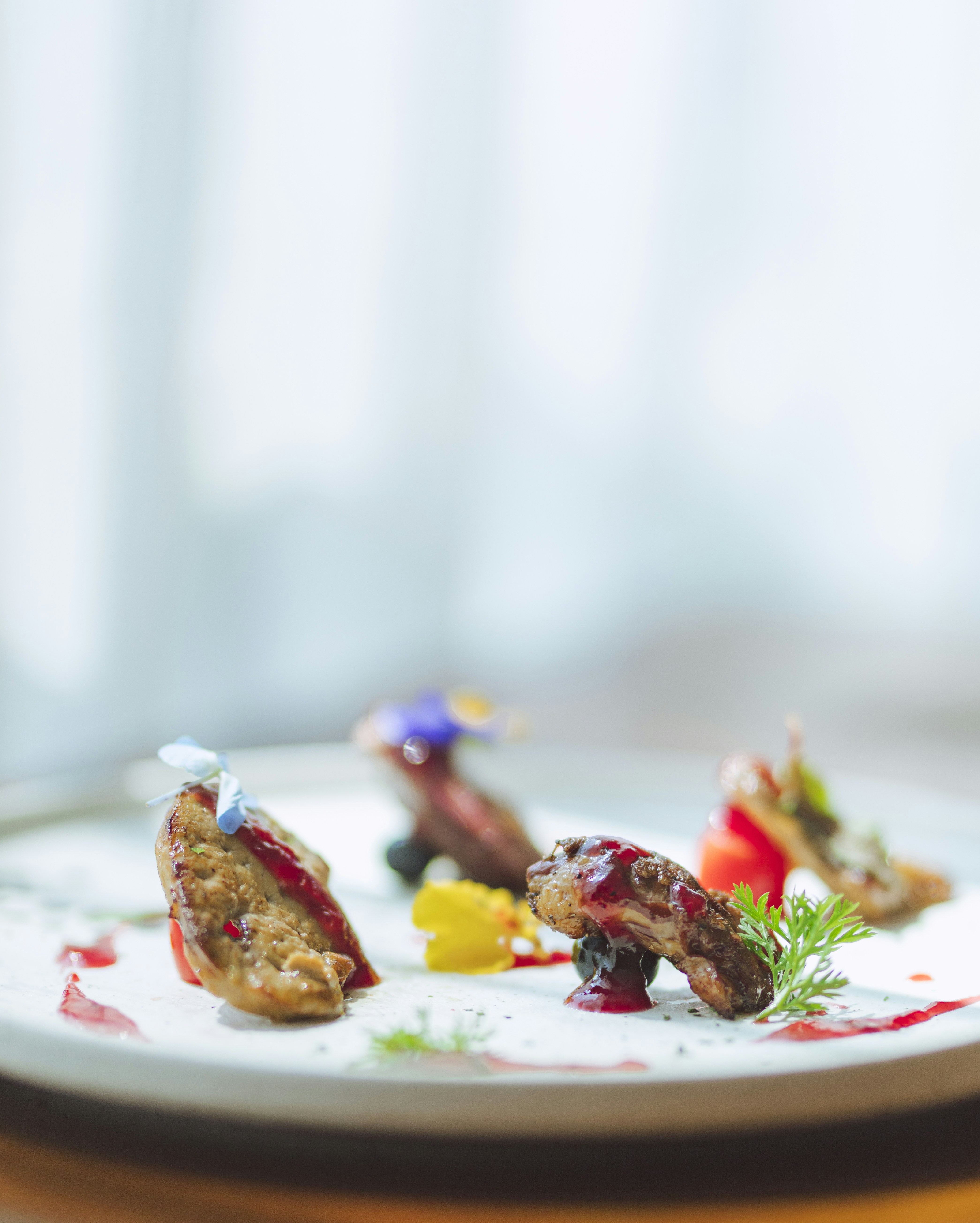
For a more contemporary twist, To Kousoulo merges traditional dishes with modern techniques, offering unforgettable flavors that delight the palate. The attention to detail in presentation and taste sets this restaurant apart as a must-visit during your stay. Among hidden gems, Vogatsikou 3 is a favorite among locals, celebrated for its innovative dishes crafted with seasonal ingredients that highlight the freshest produce available in Thessaloniki.
In addition to these establishments, Thessaloniki hosts a variety of annual food events that showcase the richness of its culinary heritage. The Thessaloniki Food Festival is one such occasion, drawing both local and international attention. During this event, visitors can explore pop-up restaurants, participate in cooking workshops, and enjoy tastings from the city’s best chefs. It usually occurs in early autumn and serves as an excellent opportunity to experience the diverse flavors of Thessaloniki.
Another notable event is the International Wine and Spirits Competition, where the city’s vibrant wine scene is on full display. This gathering offers tastings and workshops focusing on the distinct grape varieties of Northern Greece, showcasing the region’s burgeoning winemaking industry.
As such, Thessaloniki not only boasts an invaluable assortment of restaurants but also emphasizes its culinary heritage through vibrant food events, making it a city where culinary delights abound.