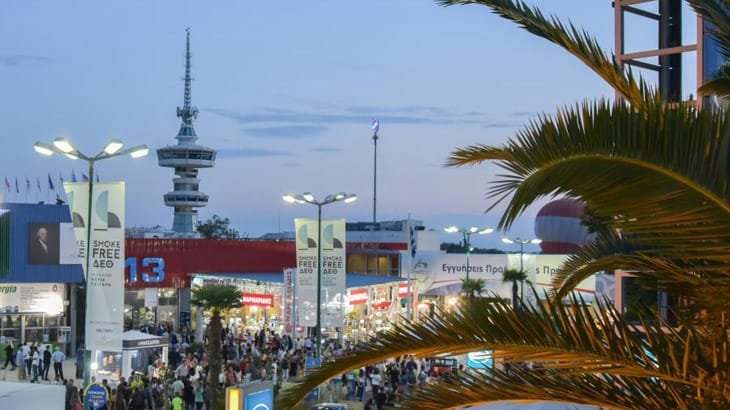
Introduction to the Thessaloniki International Fair
The Thessaloniki International Fair (TIF) stands as a significant event in the landscape of trade exhibitions held annually in Greece. Renowned as the largest trade fair in the Balkans, TIF serves not only as a commercial hub but also as a cultural melting pot that attracts a diverse array of exhibitors and visitors. This vibrant event has a rich history, dating back to its inception in 1926, during which it aimed to promote economic development and facilitate connections between businesses and consumers. Over the decades, TIF has evolved, reflecting changes in the market, technology, and global trade dynamics.
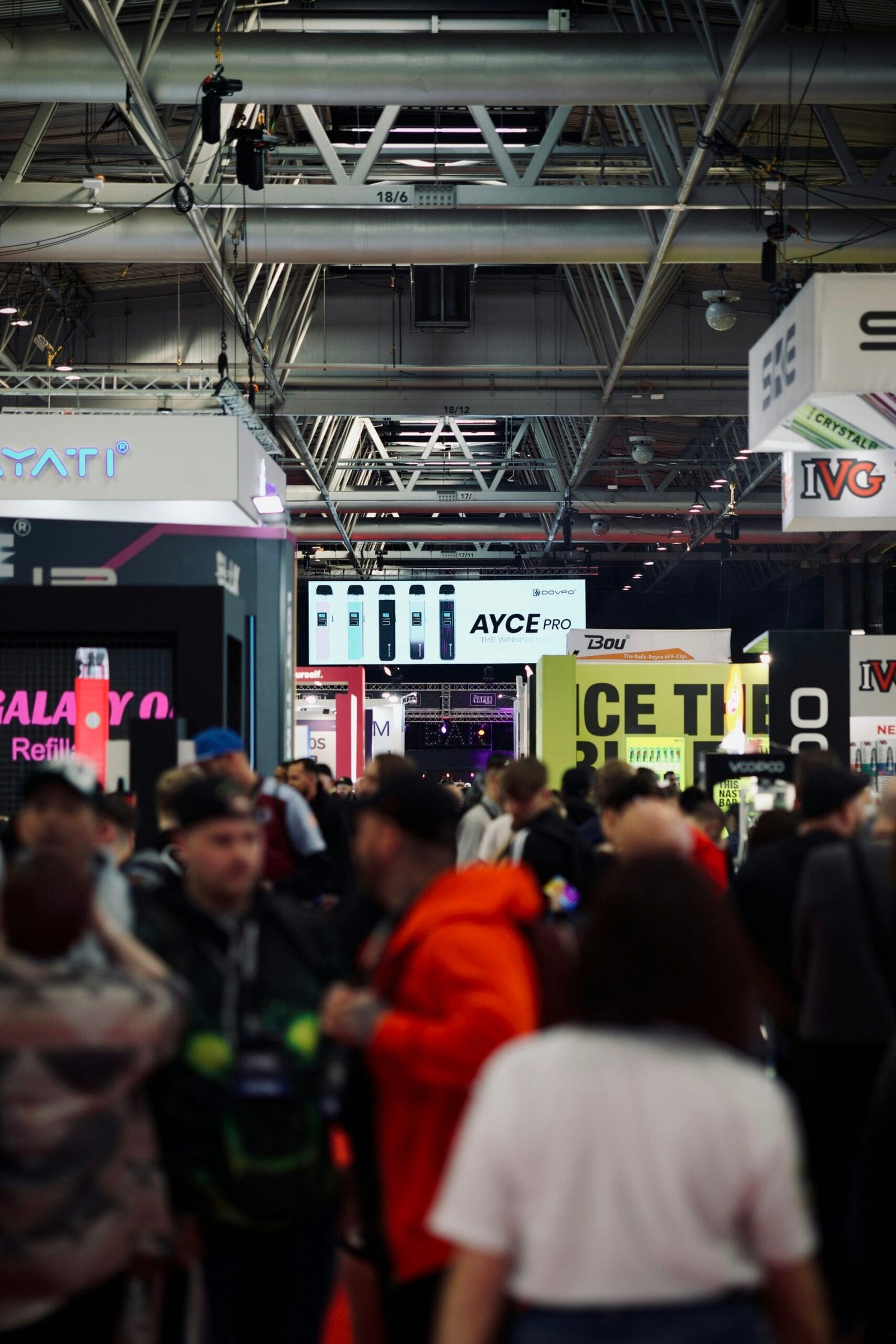
Each year, the fair takes place in the picturesque city of Thessaloniki, running for a week in September. It provides a platform for both Greek and international participants to showcase their products and services, fostering an environment of innovation and collaboration. Exhibitors come from various industries, including technology, agriculture, tourism, and many more, underscoring the fair’s role as an essential meeting point for professionals and companies that seek to expand their reach and explore new business opportunities.
The importance of the Thessaloniki International Fair transcends mere commerce; it also celebrates cultural exchange by featuring a multitude of events, seminars, and presentations that highlight contemporary issues and advancements across different sectors. As a result, TIF not only serves as a marketplace but also as an educational forum, encouraging dialogue among industry leaders, policymakers, and the public. The interplay of commerce and culture at this fair contributes to its reputation as a significant event in the region, fostering connections that extend far beyond its duration.
Historical Background of TIF
The Thessaloniki International Fair (TIF) has a rich history that dates back to its establishment in 1926. Originally intended as a venue to promote Greek products and industry, TIF has evolved dramatically over the decades, reflecting the economic and cultural developments of both Thessaloniki and Greece as a whole. The first fair was modest in scale, featuring a handful of exhibits that highlighted local craftsmanship and agricultural products. However, as the years progressed, TIF gained prominence and became a crucial platform for trade and commerce.
Significant milestones in the fair’s history include its expansion during the post-World War II reconstruction period. The fair played a vital role in revitalizing the local economy and re-establishing Thessaloniki as an industrial hub. In the decades that followed, especially during the 1980s and 1990s, the event saw increased international participation, fostering relations between Greek industries and foreign markets. The integration of technology into the fair, with the introduction of digital platforms and virtual exhibitions in response to globalization, marked yet another pivotal moment in its evolution.
Throughout its history, TIF has also served as more than just a commercial event; it has become a cultural beacon, celebrating the rich heritage of Thessaloniki. The TIF has hosted numerous exhibitions, conferences, and events that showcase not only economic trends but also cultural initiatives, supporting local artists, and engaging the community. As economic landscapes shift and evolve, TIF continues to adapt, ensuring its relevance and importance in both local and international contexts.
What to Expect at TIF
The Thessaloniki International Fair (TIF) is a vibrant exhibition that showcases a wide spectrum of products and innovations, making it a significant event for both commerce and culture. Each year, TIF attracts numerous participants from various sectors, including industrial, agricultural, handicraft, and livestock products. The exhibits are designed to appeal to visitors, offering an enriching experience that encompasses both established brands and emerging enterprises.
One of the primary sectors represented at TIF is the industrial segment, featuring the latest advancements in technology and engineering. Attendees can expect to explore innovative machinery, manufacturing solutions, and sustainable practices adopted by industry leaders. This not only includes large-scale manufacturers but also small businesses demonstrating their unique approaches to industrial challenges.
In addition to industrial showcases, agricultural products hold a prominent place at the fair. This sector highlights advancements in farming technology, organic products, and sustainable agricultural practices. Visitors have the opportunity to engage with local farmers and agribusinesses who present their produce and discuss techniques that enhance food quality and safety.
The handicraft segment of TIF offers a captivating array of handmade goods. Artisans from around the region display their crafts, ranging from textiles to ceramics, encouraging visitors to appreciate traditional skills and contemporary designs. This section is not only essential for promoting local culture but also provides a platform for artisans to connect with potential buyers.
Lastly, the livestock section showcases various breeds and agricultural practices related to animal husbandry. Attendees can observe live animals, learn about breeding techniques, and gain insights into responsible livestock management. This diverse array of exhibits ensures that TIF presents a comprehensive overview of the economic landscape in Thessaloniki and beyond, combining commerce and culture in a unique and engaging manner.
Significance of TIF in the Economic Landscape
The Thessaloniki International Fair (TIF) plays a pivotal role in shaping the economic landscape of not only Thessaloniki but also the greater region of Northern Greece. Established in 1926, TIF has evolved into a crucial platform for trade, innovation, and cultural exchange. This annual event attracts thousands of participants, including businesses, entrepreneurs, and international delegations, generating significant economic activities that ripple through the local economy.
One of the primary contributions of TIF to the local economy is through trade, where businesses gain exposure to new markets and clients. By showcasing a diverse array of industries—from technology to textiles—exhibitors can demonstrate their products and services directly to a large audience. This interaction often leads to lucrative business deals, fostering growth and encouraging small and medium-sized enterprises (SMEs) to expand their operations.
Moreover, TIF serves as a remarkable networking opportunity, allowing participants to connect with industry leaders, potential investors, and other businesses. Such interactions are invaluable for collaborative projects, partnerships, and knowledge sharing, enhancing the overall business ecosystem. The fair also attracts media attention, contributing to the visibility of the region as an emerging business hub, which can, in turn, attract foreign investment.
Additionally, local businesses benefit significantly from the influx of visitors during the TIF. Hotels, restaurants, and retail shops often experience a boost in patronage, thereby creating additional jobs and promoting local commerce. Events such as TIF embody the interconnectedness of culture and commerce, emphasizing the importance of fostering an environment that encourages economic growth.
In conclusion, the Thessaloniki International Fair serves as a cornerstone in boosting the economic vitality of the region. By facilitating trade, providing networking opportunities, and supporting business development, TIF greatly contributes to the prosperity of Thessaloniki and its surrounding areas, making it an essential event in the annual economic calendar.
Prominent Exhibitors and Participants
The Thessaloniki International Fair (TIF) serves as a significant platform that attracts a diverse array of exhibitors and participants from various sectors. Renowned global brands frequently take part in this event, showcasing their latest products and services while engaging with potential customers and partners. Top companies from industries such as technology, manufacturing, and tourism see the fair as an opportunity to strengthen their market presence and network with other businesses. For instance, leading tech firms often use TIF to unveil innovative solutions and groundbreaking technologies that can impact a wide audience.
In addition to established players, TIF provides a vital stage for emerging industries and startups. Many fledgling companies utilize this international fair to gain critical visibility and to demonstrate their unique offerings to a larger audience. By participating in TIF, these companies not only showcase their products but also have the chance to collaborate with seasoned professionals in their respective fields, gaining insights and establishing foundational connections that can propel their growth.
Local businesses also play a crucial role at the Thessaloniki International Fair. They highlight regional products and craftsmanship, putting a spotlight on the cultural heritage and economic potential of the area. The interaction between local exhibitors and international guests fosters a dynamic exchange of ideas and encourages trade relationships that can lead to long-term collaborations.
Consequently, the mix of established brands and emerging enterprises creates a vibrant ecosystem at TIF, allowing for diverse representations of industries that contribute significantly to both the local economy and the broader global market. This rich tableau of exhibitors showcases not only commercial endeavors but also cultural significance, underscoring the fair’s importance in promoting cross-industry dialogues and innovations.
Cultural Importance of TIF
The Thessaloniki International Fair (TIF) plays a pivotal role in promoting Greek culture while serving as a platform for international exchange. Established in 1926, TIF has evolved into a center where cultural dialogues occur, thus enhancing Greece’s cultural footprint globally. The fair introduces visitors to the rich heritage of Greece through various artistic expressions, including music, dance, and visual arts. As such, TIF is not merely an exhibition of goods and services; it is an essential cultural event that reflects the artistic vibrancy and historical significance of the region.
Throughout its duration, the fair hosts numerous cultural events that showcase the talent of both local and international artists. These performances often feature traditional Greek music and dance, giving attendees an immersive experience of the nation’s customs and traditions. Furthermore, TIF encourages various cultural demonstrations ranging from culinary showcases to craft exhibitions, promoting artisanal practices that define Greek culture. This focus on cultural heritage not only draws in thousands of local visitors but also attracts tourists, effectively positioning Thessaloniki on the international cultural map.
Additionally, the fair facilitates relationships between different nations by hosting pavilions dedicated to various cultures, fostering multicultural engagement. This not only encourages cultural appreciation but also bolsters international cooperation across diverse sectors. By emphasizing cultural connectivity, TIF contributes significantly to Greece’s identity as a crossroad of civilizations. As a result, it stands as more than just a commercial event; it acts as a vital conduit for the celebration of cultural exchange in an increasingly globalized world.
Navigating TIF: Tips for Visitors
Attending the Thessaloniki International Fair (TIF) can be an immersive experience for both professionals and leisure visitors alike. To ensure a smooth outing at this prominent event, careful planning is essential. First, it is advisable to review the official TIF website in advance. The site provides vital information about event timings, exhibiting companies, and thematic days, enabling attendees to create a customized itinerary that aligns with their interests in culture and commerce.
Networking at TIF presents excellent opportunities for making valuable connections with industry peers and potential clients. It is beneficial to prepare a brief introduction about oneself and one’s organization. Bring plenty of business cards to distribute during conversations, and consider setting up meetings ahead of the event through social networks or TIF’s mobile app. Engaging with fellow attendees during seminars and workshops can facilitate networking, as these gatherings encourage interaction among participants.
Additionally, visitors should make optimal use of the facilities available at TIF. From dedicated seating areas for discussions to refreshments throughout the venue, utilizing these amenities can enhance the overall experience. For those traveling from afar, nearby accommodations may offer special rates during the fair; booking in advance is recommended to secure the best options. Do not overlook the significance of collaboration spaces designed specifically to foster interaction; these can become hubs for exchanges of ideas.
Finally, to maximize the fair experience, attendees should remain flexible in their plans. With numerous exhibitors and presentations, there is always something unexpected to discover. Collect brochures and promotional materials from various booths to revisit later. By approaching the fair with an open mind and a proactive strategy, you can navigate TIF effectively and engage with the rich tapestry of culture and commerce that defines this multifaceted event.
Recent Developments and Future Prospects
The Thessaloniki International Fair (TIF) has undergone significant transformations in recent years, reflecting its commitment to adapt to the rapidly evolving landscape of global trade and commerce. One of the most notable developments is the fair’s increased focus on technological innovation. This shift has manifested in various forms, including the integration of digital platforms that allow for hybrid participation. As a result, exhibitors and visitors can engage with the fair remotely, broadening access and participation beyond geographical constraints.
Moreover, health and safety considerations have prompted TIF to implement enhanced protocols. In light of the recent global health crisis, the fair has adopted measures to ensure the safety of all participants, such as increased sanitation practices and occupancy limits in exhibition spaces. This adaptability not only ensures compliance with health guidelines but also instills confidence among exhibitors and attendees alike.
Looking ahead, the future prospects for the Thessaloniki International Fair appear promising. With an increasing emphasis on sustainability and green technology, the fair is poised to align with global trends that prioritize environmental responsibility. Future editions of TIF are expected to feature more exhibitors focusing on eco-friendly products and practices, underscoring the fair’s role in promoting sustainable development.
In the context of a changing global economy, the TIF aims to remain a relevant and influential platform for trade, culture, and innovation. As industries evolve and new market trends emerge, the fair intends to adapt its programming to highlight these changes. By continuously embracing modernization and responding to the needs of both exhibitors and visitors, the Thessaloniki International Fair is setting the stage for a vibrant future of commerce and cultural exchange.
Conclusion: The Future of Thessaloniki International Fair
The Thessaloniki International Fair (TIF) has long served as a significant platform for showcasing trade, culture, and economic development in Greece and the broader Southeast European region. As this influential exhibition continues to evolve, it reinforces its role not only as an avenue for business networking but also as a promoter of cultural exchange and innovation in various sectors.
Looking ahead, the future of TIF appears promising, with efforts being directed towards enhancing the experiences of exhibitors and visitors alike. By incorporating advanced technologies such as virtual reality and digital exchange platforms, TIF is expected to adapt to the shifting landscape of global commerce. This modernization will likely attract an even more diverse range of exhibitors, encompassing both established brands and emerging startups eager to make their mark.
Moreover, as Thessaloniki positions itself as a crucial hub within the region, the fair is expected to play a pivotal role in stimulating local economic growth and attracting foreign investment. By fostering partnerships between public and private sectors, TIF can amplify its impact, contributing to the broader economic landscape of Northern Greece. The anticipated collaboration among various industries—ranging from technology and agriculture to tourism and culture—will undoubtedly enrich the offerings of future fairs.
In summary, the Thessaloniki International Fair stands as a vital institution with a rich history and a dynamic future. Its multifaceted role as both a trade exhibition and cultural event highlights its significance in promoting economic vitality and cultural dialogue. As we look forward to future editions, it is clear that TIF will continue to leave a lasting imprint on Thessaloniki and beyond, shaping the way we engage with commerce and cultural exchange in an increasingly interconnected world.
This year at the 90th Thessaloniki International Fair, which will be held from 5 to 13 September, the honored country is Japan.
The 90th Thessaloniki International Fair opens a new, exciting chapter in its historic history, in a landmark year that marks the 100th anniversary of its first edition in 1926. This year’s TIF, with its rich heritage as a compass, bridges the previous century with the next and looks forward to its dynamic future, bringing to the fore the dynamics of Greek entrepreneurship and extroversion. At the crossroads of this rejuvenating journey, it will welcome Japan as the honored country, which will be represented by a panorama of companies and institutions from different industries, while at the same time, it will highlight its unique culture – a global benchmark of quality, innovation and excellence.