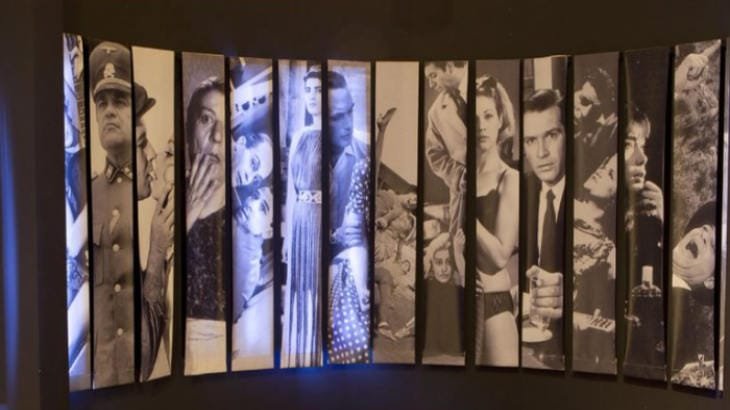
Cinema Museum
Warehouse A, Port of Thessaloniki
Introduction to the Cinema Museum of Thessaloniki
The Cinema Museum of Thessaloniki, established in 1997, is a pivotal institution dedicated to preserving and promoting cinematographic art and culture in Greece. Nestled within the vibrant city of Thessaloniki, this museum is part of a broader initiative by the city to celebrate its rich cultural heritage and elevate its status as a significant player in the cinematic landscape.
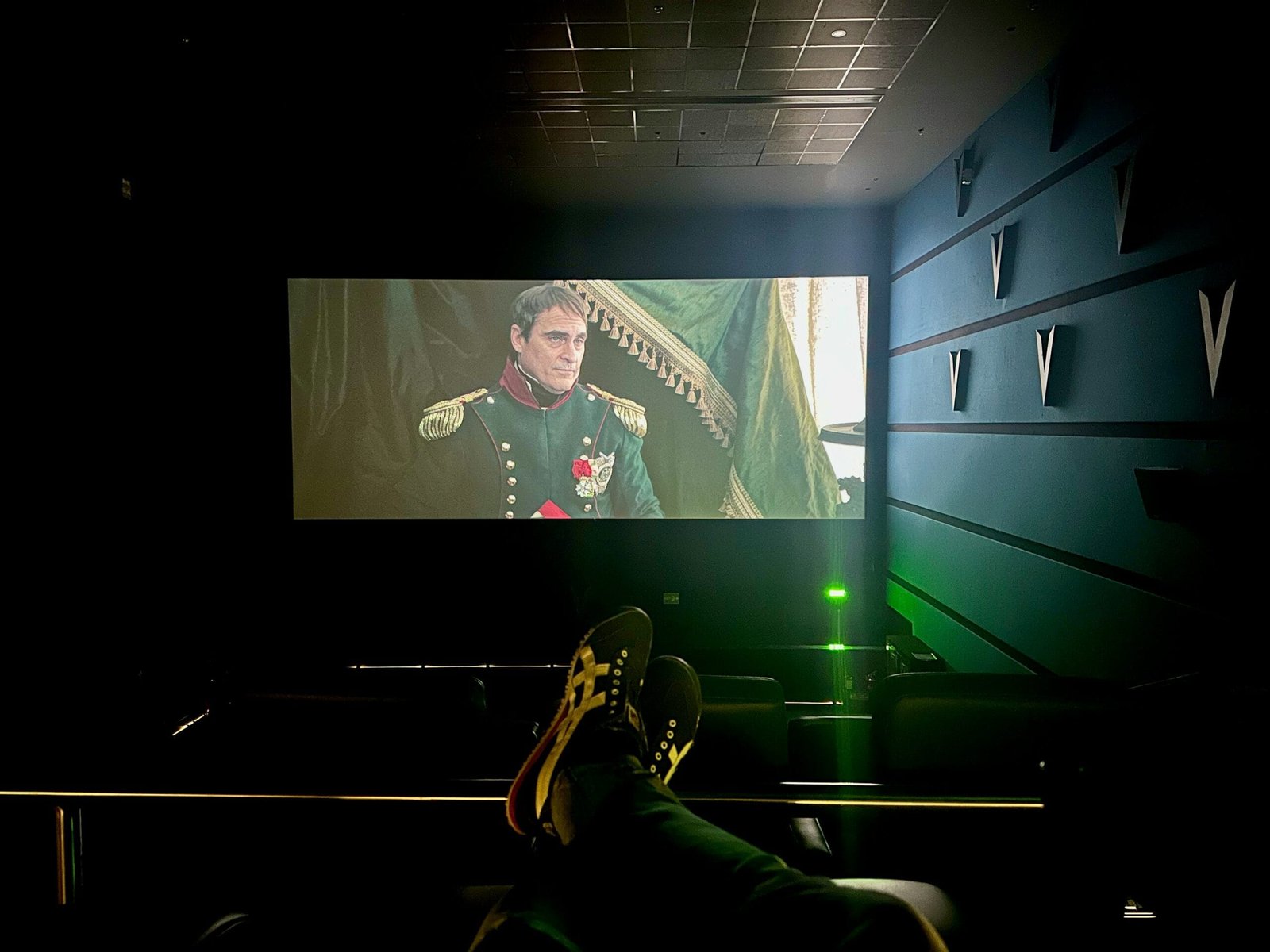
The mission of the museum is to collect, conserve, and showcase a diverse range of artifacts that narrate the history of Greek cinema, as well as international film developments. With a comprehensive approach that encompasses film screenings, educational programs, and exhibitions, the museum plays an essential role in fostering an appreciation for cinematic arts among visitors of all ages. By providing access to a wide array of films, archival materials, and interactive installations, it aims to bridge the gap between the art of cinema and the community.
Significantly, the Cinema Museum of Thessaloniki not only focuses on historical aspects but also emphasizes contemporary developments in cinema. This dual approach allows for a dynamic engagement with the community, elevating local filmmakers and encouraging new talent through various workshops and film festivals. The museum regularly collaborates with educational institutions to integrate cinema into the academic curriculum, thus nurturing a new generation of film enthusiasts and professionals.
The importance of the Cinema Museum of Thessaloniki cannot be overstated. As one of the few dedicated institutions of its kind in Greece, it stands as a testament to the country’s cinematic legacy. It invites visitors to explore the multifaceted world of film, creating a cultural dialogue that reflects both historical contexts and modern influences in cinema, ultimately reinforcing Thessaloniki’s role as a cultural hub in the region.
An Overview of the Collections
The Cinema Museum of Thessaloniki boasts a vast and diverse array of collections that celebrate the rich history of cinema, both in Greece and internationally. This museum serves as a significant cultural institution, gathering artifacts that provide insights into the evolution of film. The collections are meticulously curated, offering visitors a unique opportunity to engage with the various elements that constitute the cinematic experience.
Among the notable treasures housed within the museum are a multitude of film posters, which reflect the artistic and promotional approaches taken throughout different eras of filmmaking. These posters not only serve as visual delights but also act as historical documents, showcasing the changing styles and trends in design, marketing, and the cinematic landscape.
Additionally, the museum features a well-preserved collection of films that include both classics and contemporary works. These films are essential for understanding the narrative and technical developments that have shaped the medium. Some screenings and exhibitions highlight pivotal films, often accompanied by discussions that enrich the audience’s appreciation of cinema.
The Cinema Museum also showcases an impressive assortment of projectors and filmmaking equipment, providing a tangible connection to the technological advancements in the industry. This collection illustrates how these innovations have transformed the process of producing and viewing films over time. Moreover, educational materials are readily available, offering insights into various filmmaking techniques, film theory, and the cultural significance of cinema.
In summary, the collections of the Cinema Museum of Thessaloniki encapsulate the essence of cinema, celebrating both its artistic and technological aspects. With posters, films, projectors, and educational resources, the museum underscores its commitment to preserving the rich legacy of this influential art form.
The Hellaffi Giant Movie Poster Collection
The Hellaffi giant movie poster collection is a remarkable exhibit housed within the Cinema Museum of Thessaloniki, celebrated for its extensive range of visually engaging and artistically rich movie posters. This collection captures the evolution of cinematic marketing over the decades, providing a glimpse into how filmmakers have historically promoted their works through striking visuals. The posters featured in this collection are not merely advertisements; they are significant cultural artifacts that reflect the artistic movements and societal trends of their respective eras.
Originating from a blend of local and global influences, the Hellaffi collection encompasses an array of designs, styles, and techniques utilized in poster creation. The allure of these giant posters lies not only in their size but also in their intricate artwork, which often showcases the creativity of renowned artists as well as lesser-known talents. The evolution of these posters mirrors the advancements in film technology and narrative storytelling, making them essential in understanding the broader context of cinema history.
Moreover, movie posters serve a vital role in marketing campaigns. They are designed to captivate audiences, ignite curiosity, and convey the essence of the film experience before its viewing. The artwork encapsulated within the Hellaffi collection exemplifies the powerful interplay between visual aesthetics and promotional content, reflecting the artistic interpretations of diverse genres—from thrilling dramas to whimsical comedies. As such, this collection not only contributes to the understanding of cinematic history but also enhances appreciation for the artistry involved in poster design.
The global significance of the Hellaffi giant movie poster collection lies in its preservation of a unique aspect of cultural heritage. By examining these posters, visitors can gain insights into the cinematic landscape across different time frames and geographical locations. This ongoing dialogue between art and cinema is indispensable to both the museum’s mission and the continued appreciation of film as a vital cultural medium.
The Konstantinos Arvanitidis Collection
The Konstantinos Arvanitidis Collection is a significant artistic archive housed within the Cinema Museum of Thessaloniki, showcasing an impressive array of handmade giant posters that adorned the cinemas of Thessaloniki. This collection serves not only as a tribute to the artistry of Konstantinos Arvanitidis himself but also as a lens through which the cultural landscape of cinema in Thessaloniki can be thoroughly examined. Arvanitidis, a prominent figure in the world of graphic design, began his career in the vibrant context of mid-20th century Greece, when cinema was a primary form of entertainment.
Sporting a distinctive style, Arvanitidis’s posters are characterized by their bold colors and dynamic compositions, reflecting the cinematic excitement of the era. His technique involved intricate hand-painting and collage, creating visually striking pieces designed to capture the attention of potential movie-goers. This artistry not only promoted individual films but also contributed to the overall cinematic atmosphere in Thessaloniki. The craftsmanship behind these posters represents a significant intersection of art and popular culture, one that resonated deeply with the audiences for whom they were created.
The cultural impact of Arvanitidis’s work is substantial; these posters are not merely advertisements, but rather artistic statements that evoke nostalgia for an era where cinema was a communal experience. They reflect the local culture, providing insights into the cinematic trends and tastes of the time, thereby preserving the unique history of Thessaloniki’s film industry. The Konstantinos Arvanitidis Collection is a testament to how visual arts can influence and enhance collective cultural experiences, playing a pivotal role in the story of cinema in Greece.
The Bililis Collection: A Cinematic Journey
The Bililis Collection, housed within the esteemed Cinema Museum of Thessaloniki, represents a significant contribution to the preservation and presentation of cinematic heritage. This remarkable collection, curated by Nikolaos and Aikaterina Bililis, comprises around 55 films that span diverse genres and styles, showcasing the evolution of both Greek and international cinema.
Among the highlights of the Bililis Collection is the strong emphasis on Greek cinema, which plays an essential role in capturing the cultural narratives and societal transformations throughout the country’s history. Greek films offer a unique lens through which audiences can explore themes of identity, emotion, and resilience, often reflecting the socio-political climate of their time. The collection includes notable works from pivotal filmmakers who have shaped the landscape of Greek film, demonstrating the artistic richness and creative storytelling inherent in this national cinema.
In addition to domestic productions, the Bililis Collection also features a selection of international films that have left a profound impact on global cinema. These works not only highlight the interconnectedness of cinematic art across borders but also emphasize the universal themes that resonate with audiences worldwide. Documentaries included in the collection play a crucial role, as they engage with current events and societal issues, providing an informative platform for discussion and understanding.
The importance of the Bililis Collection extends beyond mere film exhibition; it serves as a vital educational resource. By providing access to a diverse array of films, the collection encourages viewers to critically engage with different cultures and perspectives, underscoring the power of cinema as a vehicle for communication and exploration. Thus, the Bililis Collection stands as a testament to the enduring legacy of film and its ability to transcend temporal and geographical boundaries.
Vassiliou Papadopoulos’ Contribution
Vassiliou Papadopoulos, a prominent figure in the realm of cinema collection, has made significant contributions to the Cinema Museum of Thessaloniki. His extensive collection encompasses a wide array of artifacts that not only celebrate the art of film but also document its historical evolution. Among the notable items in his collection are exquisite stills that capture evocative moments from various films, showcasing both the artistry and innovation that characterize cinematic history.
In addition to stills, Papadopoulos’ collection includes an impressive array of projectors. These projectors serve as both functional equipment and historical artifacts, reflecting the advancements in technology that have shaped the film industry. By including projectors from different eras, Papadopoulos highlights the transformative journey of cinema, illustrating how technical improvements have continually influenced the way stories are told on screen.
The rich diversity of publications in Papadopoulos’ collection further enhances the narrative of the museum’s holdings, offering visitors valuable insights into the world of cinema. These publications, which range from academic analyses to fan magazines, provide context and depth to the visual materials on display. They also serve as a testament to the cultural significance of cinema, portraying its impact on society and art.
Overall, Vassiliou Papadopoulos’ collection stands as a cornerstone of the Cinema Museum of Thessaloniki. His dedication to preserving diverse cinematic materials ensures that future generations will have the opportunity to explore the multifaceted world of film. This collection not only enriches the museum’s offerings but also inspires an understanding of cinema’s importance within cultural narratives.
Educational Films from the Ministry of Macedonia-Thrace
The Cinema Museum of Thessaloniki houses a significant collection of educational films originating from the Ministry of Macedonia-Thrace, which comprises approximately 90 films produced during the 1970s. This collection stands out as a pivotal resource for understanding the historical context of education and public awareness campaigns in Greece during that era. The educational films serve as a record of the societal values, cultural narratives, and pedagogical aims prevalent in 20th-century Greek society.
These films were designed not only for academic purposes but also to engage the broader public, addressing various social issues. Topics covered in this collection range from agricultural advancements and health education to civic responsibility and national identity. Each film acts as a time capsule, preserving the educational standards and political climate of the period. Through their dissemination, the films contributed significantly to fostering public knowledge and encouraging community involvement.
In the realm of cinema education, the importance of such films cannot be overstated. By analyzing these works, students and scholars can gain valuable insights into the cinematic techniques employed and the educational frameworks utilized. This aspect of the permanent collection highlights the role of the Cinema Museum in promoting a critical understanding of how cinema can influence and educate public opinion. Moreover, the availability of these films serves as an educational tool for contemporary audiences, offering a glimpse into historical methods of communication and pedagogy.
Thus, the educational films collection from the Ministry of Macedonia-Thrace not only enriches the museum’s offerings but also plays a crucial role in preserving an important facet of Greece’s cultural heritage and commitment to public education and awareness.
Connecting Cinema to Everyday Life
The Cinema Museum of Thessaloniki serves as a vital repository that showcases the interplay between cinema and the cultural fabric of everyday life in the city. Within its permanent collections, the museum illuminates how cinematic expressions have significantly shaped local communities, reflecting both historical and contemporary narratives that resonate with daily experiences. By exploring films, posters, and memorabilia, visitors can glean insights into how theatrical practices have influenced local social dynamics and cultural identities.
One of the key aspects highlighted in the collections is the impact of cinema on communal life. Cinemas traditionally functioned as social hubs, where individuals from diverse backgrounds congregated to experience the magic of storytelling on the big screen. The nostalgia encapsulated in historical theaters contributes to a shared cultural memory, linking various generations through common cinematic experiences. This connection fosters a sense of belonging and continuity, as it weaves personal and communal tales into the city’s broader cultural narrative.
Moreover, the museum’s exhibits articulate the profound nostalgic significance of theaters in Thessaloniki. These venues not only serve as places of entertainment but also as witnesses to the city’s evolving identity and history. The architecture of historical cinemas, alongside their role in introducing diverse cinematic genres, illustrates how film has served as both mirror and molder of societal values and norms. This relationship between cinema and day-to-day life enriches the understanding of how film has been a vehicle for social change while simultaneously providing commentary on the cultural zeitgeist of the times.
In understanding the connection between cinema and everyday life, it becomes evident that the art of film extends beyond mere entertainment; it is interwoven into the very essence of cultural expression in Thessaloniki.
The Film Library and Its Resources
The Cinema Museum of Thessaloniki is not only a repository of cinematic history but also houses a comprehensive film library that serves as a vital resource for researchers, educators, and the general public. This film library contains an extensive collection of films, books, academic journals, and various audiovisual materials that collectively support the study and appreciation of cinema. The library’s resources extend far beyond mere viewing; they are pivotal in providing insights into the development of film as an art form and cultural phenomenon.
The film library’s collection includes historical films, contemporary cinema, and various genres, offering an extensive overview of the evolution of filmmaking. Additionally, it features a rich array of texts that cover film theory, history, and criticism, making it an essential stop for anyone engaged in film studies. By fostering a deeper understanding of cinematic techniques and narratives, the library functions as a crucial educational tool, aiding both students and educators in their academic pursuits.
Furthermore, the Cinema Museum of Thessaloniki aims to enhance its library resources. Plans are underway to digitize portions of the collection, allowing for broader access not only to local communities but also to international scholars and film enthusiasts. Workshops, screenings, and educational programs are also part of the museum’s strategy to encourage active participation and engagement with cinema. The commitment to expanding these resources underscores the museum’s role in preserving cinematic heritage while promoting ongoing research and education. As the film library evolves, it will continue to play a central role in advancing knowledge and appreciation of cinema in Thessaloniki and beyond.