Introduction to the Lazaristes Monastery
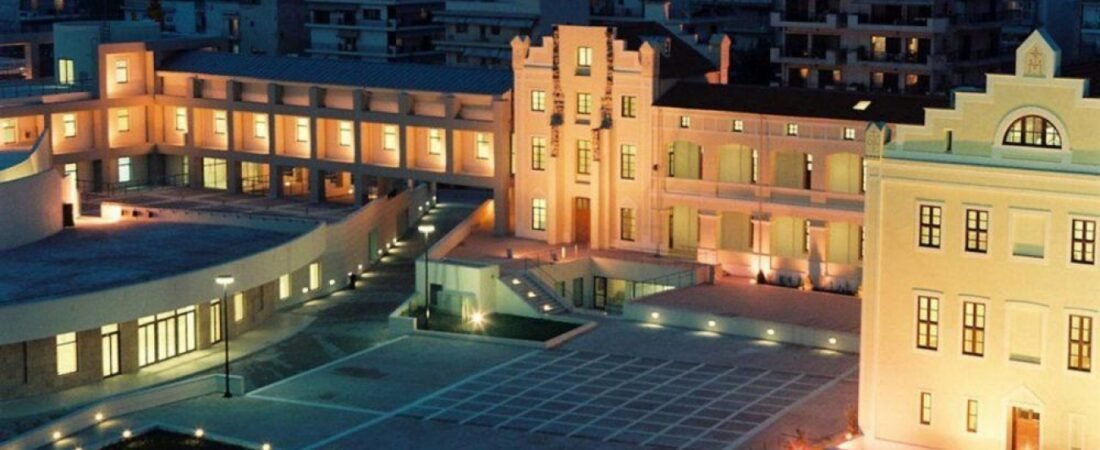
The Lazaristes Monastery, located in Stavroupoli, Thessaloniki, stands as a significant cultural and historical landmark. Founded in the late 19th century, it originally served as a religious institution for the Lazarian monks, known for their dedication to education and the arts within the region. The monastery reflects Byzantine architectural styles, characterized by its ornate facade and strategic layout that accommodates both spiritual and communal activities.
Over the years, the Lazaristes Monastery has undergone numerous transformations. As societal needs evolved, so did the function of the monastery. In the early 20th century, it expanded beyond its ecclesiastical roots. It embraced a broader cultural mission, thereby becoming an integral part of the Stavroupoli community. This shift was part of a response to the growing demands for public education and cultural engagement, illustrating how the monastery adapted to the changing landscape of Greek society.
Today, the Lazaristes Monastery is not solely a religious site but a vibrant cultural center. It hosts various events, art exhibitions, and educational programs, promoting dialogue and creative expression among the community members. Visitors to the monastery can explore its breathtaking architecture while engaging with its vast cultural offerings. As a reflection of its historical journey, the Lazaristes Monastery epitomizes the balance between tradition and modernity, preserving its spiritual essence while fostering a new era of cultural enlightenment in Stavroupoli.
Cultural Events and Activities
The Lazaristes Monastery serves as a dynamic center for cultural engagement in Stavroupoli, Thessaloniki, by hosting a diverse array of events and activities. These gatherings not only showcase artistic expression but also foster a sense of community and cultural dialogue. The monastery frequently holds art exhibitions featuring local and contemporary artists, providing a platform for visual dialogue and promoting the appreciation of art among visitors of all backgrounds.
In addition to the visual arts, the monastery is known for its exceptional music concerts. A variety of musical genres are represented, from classical to folk, and these performances attract both locals and tourists alike. By bringing together artists and audiences, these concerts create an enriching experience that enhances the cultural fabric of the region. Community members have the opportunity to engage with music in a historic setting that echoes cultural traditions.
Moreover, the Lazaristes Monastery conducts numerous workshops and educational programs aimed at people of all ages. These initiatives range from art and music workshops to lectures on cultural heritage and history. Such programs not only provide hands-on experiences but also encourage lifelong learning and personal growth. The involvement of local artisans and educators ensures that the activities resonate with the community and highlight the significance of preserving cultural heritage.
Overall, through its array of cultural events and activities, the Lazaristes Monastery stands out as a vibrant hub that celebrates creativity, fosters dialogue, and engages the community. These efforts make it an essential part of the cultural landscape in Thessaloniki, reflecting the city’s rich history and contemporary artistic scene.
Architectural and Artistic Features
The Lazaristes Monastery, located in Stavroupoli, Thessaloniki, presents a fascinating blend of architectural styles, showcasing influences from various historical periods. Established in the early 20th century, the monastery exhibits a unique design that reflects the monastic traditions of Orthodox Christianity intertwined with regional aesthetics. The layout of the monastery consists of a series of interconnected buildings that surround a central courtyard, promoting a sense of community among the inhabitants and visitors alike.
The facade of the main church, known as the Church of Saint John the Theologian, is characterized by its intricate stone carvings and large arched windows, which not only enhance its visual appeal but also allow natural light to illuminate the interior. The use of local stone blending harmoniously with whitewashed walls is particularly significant, as it resonates with the architectural ethos of the region. Furthermore, the elaborate wooden doors, adorned with religious motifs, exemplify the craftsmanship that is a hallmark of Byzantine architecture.
Within the monastery, visitors can appreciate a variety of artistic elements, including beautifully crafted frescoes that depict scenes from the life of Christ and various saints. These vibrant murals, painted by renowned artists, serve both a decorative function and a didactic purpose, aiming to educate the faithful about the teachings of Christianity. Additionally, the monastery houses an array of religious artifacts, including icons that hold both spiritual and historical significance. The artistic choices made in these pieces reflect not only theological ideals but also the socio-cultural context of their creation.
Overall, the architectural and artistic features of Lazaristes Monastery offer a compelling glimpse into the rich cultural tapestry of its time, illustrating how historical influences have converged to create a space of beauty and reverence that continues to attract spiritual seekers and art enthusiasts.
Visitor Experience and Community Impact
The Lazaristes Monastery, located in the picturesque Stavroupoli area of Thessaloniki, serves as a remarkable destination for both local residents and international visitors. Upon arriving, guests are greeted by the stunning architecture and serene surroundings, which lend an air of tranquility and contemplation. The monastery encourages exploration and offers a variety of amenities designed to enhance the visitor experience.
Guided tours of the monastery are available, providing an in-depth perspective on its rich history and cultural significance. These tours are typically led by knowledgeable local guides who are passionate about sharing the story of the Lazaristes Monastery, including its founding, architectural features, and its ongoing role in the community. Visitors can appreciate not only the monastic features but also the art and spiritual practices that remain integral to its existence. Meaningful interactions during these tours foster a deeper connection between visitors and the heritage present in Stavroupoli.
Accessibility is another crucial aspect of the visitor experience. The monastery has made considerable efforts to ensure that individuals with varying mobility levels can enjoy its offerings. This includes well-maintained pathways and signage aimed at guiding visitors through the serene grounds. Whether one is climbing the steps toward the central courtyard or navigating through the monastic gardens, the layout allows for ease of use and exploration.
The impact of the Lazaristes Monastery on the local community extends beyond mere tourism; it instills a sense of pride in the residents of Stavroupoli. The monastery’s role of promoting cultural heritage enhances local identity and fosters community engagement. Events and festivals held at the site not only draw visitors but also encourage the participation of local artisans and musicians, further enriching the cultural tapestry of the region.