Historical Background of Casa Bianca
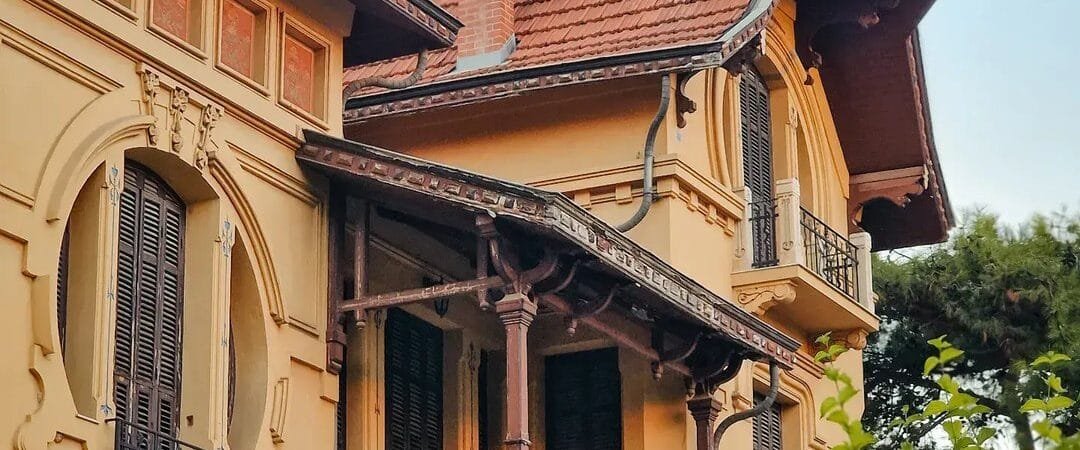
Casa Bianca, an architectural masterpiece located in Thessaloniki, stands as a testament to the city’s rich heritage. Constructed between 1911 and 1913, this villa was designed by the celebrated Italian architect Pietro Arrigoni, whose influence is evident in the structure’s elegant design and distinctive features. Arrigoni was known for his ability to blend modernist principles with traditional aesthetics, which is beautifully encapsulated in Casa Bianca.
The original owner of this grand residence was Dino Fernandez Diaz, a prominent merchant and banker. His significant contributions to commerce in Thessaloniki positioned him among the city’s elite. The name “Casa Bianca” is derived from the first name of Diaz’s wife, Blanche ‘Bianca’ de Mayer, underscoring the personal significance of the property while also reflecting the early 20th-century trend of naming homes after beloved family members.
Architecturally, Casa Bianca exhibits an eclectic style that resonates with the sensibilities of its era. It features elements of Art Nouveau and Neoclassical design, characterized by its ornamental details, graceful lines, and a harmonious relationship with its surroundings. Such stylistic choices not only convey aesthetic appeal but also signify the cultural aspirations of its time, aiming to showcase wealth and taste.
Throughout its history, Casa Bianca has witnessed various transformations, particularly during the post-war period. The villa was repurposed for different uses, adapting to the changing social and economic landscape of Thessaloniki. Despite the transformations, the essence of Casa Bianca has been preserved, serving as a reminder of the city’s historical lineage and cultural evolution. This iconic structure continues to capture the imagination of both locals and visitors, revealing stories that bridge the past with the present.
Architecture and Design Features
Casa Bianca stands as a testament to the rich architectural heritage of Thessaloniki, showcasing the distinctive design aesthetic of its architect, Emiliano Arrigoni. The building’s facade is a compelling blend of various influences, showcasing elements of neoclassicism infused with local traditions. Characterized by its harmonious proportions, the facade features intricate decorative details that highlight the designer’s keen eye for craftsmanship.
One notable feature of Casa Bianca is its use of ornate balconies that extend gracefully from the upper stories, allowing for an interplay between light and shadow that enhances its visual appeal. These balconies, adorned with cast-iron railings, not only serve a functional purpose but also contribute to the overall elegance of the structure. Arrigoni’s choice of materials, including the local stone, reflects a commitment to sustainability and authenticity, keeping the building in sync with its geographic context.
The garden surrounding Casa Bianca is another remarkable aspect of the design, featuring a blend of native plant species and carefully curated landscaping. This area serves as a tranquil retreat, contrasting with the bustling urban environment of Thessaloniki. The garden’s layout is congruent with the principles of the early 20th-century aesthetic movement, as it encourages an appreciation for nature and harmony with the surroundings.
Internally, Casa Bianca boasts a series of spacious rooms characterized by high ceilings and large windows that allow natural light to flood in. The use of decorative molding, frescoes, and art nouveau-inspired elements within the interiors further exemplifies Arrigoni’s artistic vision. Each room tells a story, reflecting a meticulous attention to detail that is a hallmark of the era’s architectural style. Overall, Casa Bianca enhances the cultural tapestry of Thessaloniki’s architectural landscape, standing as a unique blend of historical significance and artistic expression.
Casa Bianca as a Cultural Repository
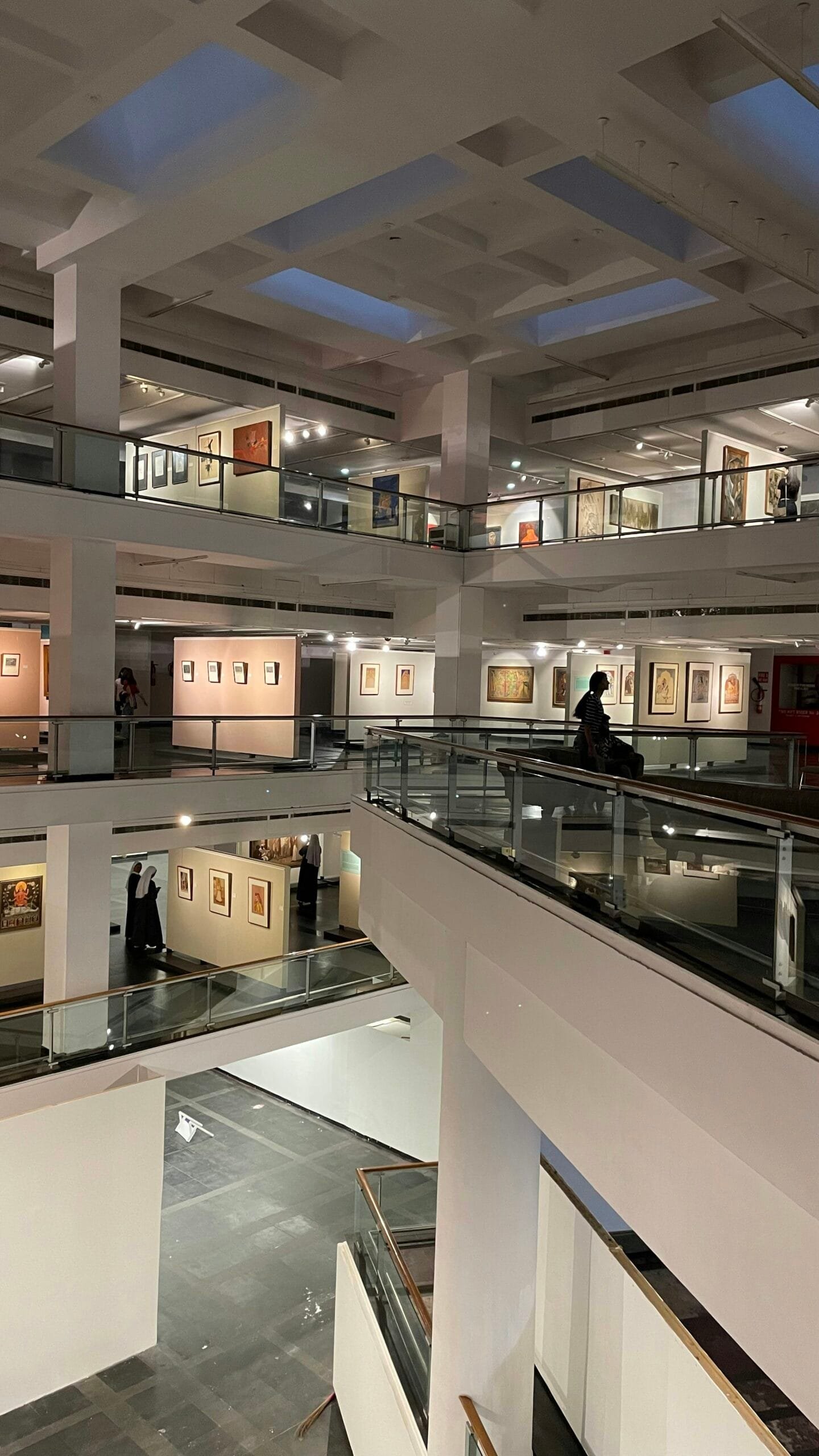
Casa Bianca, a hallmark of historical architecture in Thessaloniki, underwent a significant transformation in 1990 when it was converted into a municipal gallery. This pivotal change enabled Casa Bianca to serve as a cultural repository, fostering the appreciation and promotion of Greek art. The gallery stands out for its dedication to showcasing a rich collection that features notable works from prominent 19th and 20th-century Greek artists. As such, the gallery has become an essential part of the city’s artistic landscape.
The collection at Casa Bianca is particularly significant for its diverse range of artworks, capturing various artistic movements and styles that emerged during those eras. Collectors and art enthusiasts can explore pieces from renowned artists such as Georgios Iakovidis and Konstantinos Parthenis, whose works reflect the cultural and historical narratives of Greece. These masterpieces serve not only as aesthetic treasures but also as educational tools, offering insight into the evolution of Greek art and its context within broader European trends.
Besides its impressive permanent collection, Casa Bianca hosts a rotating schedule of exhibitions that highlight contemporary artists and thematic showcases. These exhibitions aim to engage the public and promote dialogue around artistic expressions within the modern context. Furthermore, the gallery organizes educational programs, workshops, and guided tours tailored for various audiences, including students, community groups, and art lovers. This commitment to education underscores Casa Bianca’s role as a bridge linking history with contemporary art practices.
In doing so, Casa Bianca not only preserves the rich artistic heritage of Thessaloniki but also contributes significantly to the city’s cultural vibrancy. By functioning as both a historical site and a modern gallery, it plays a crucial role in enriching the cultural landscape and fostering a deeper appreciation for Greek art.
Visitor Experience: Cafés and Tours
Casa Bianca, with its rich historical significance, also offers an inviting café nestled within its lush garden. This tranquil setting provides visitors with a perfect opportunity to relax and enjoy refreshments while soaking in the intricate architecture of the site. The café’s ambiance is characterized by its serene environment, surrounded by vibrant greenery, making it an ideal stop for tourists looking to unwind after exploring the site’s many offerings.
The café menu features a delightful array of local delicacies and beverages, including traditional Greek coffee, fresh pastries, and light snacks. Many visitors find that the combination of quality service and picturesque surroundings creates a unique culinary experience that complements their exploration of Casa Bianca. Whether one is seeking a quick refreshment or a leisurely meal, the café caters to diverse tastes and preferences.
For those looking to deepen their experience, several walking tours of Thessaloniki incorporate Casa Bianca into their itineraries. These tours often highlight the city’s architectural marvels and historical landmarks, providing context for the significance of the site. Tour guides typically share captivating stories about the heritage of the area, thus enriching the visitor’s understanding of Thessaloniki’s cultural fabric. Visitors are encouraged to consider the various themed tours available, such as art-focused or historical narratives, to enhance their exploration.
In addition to organized tours, exploring the surrounding areas on foot is highly recommended. The historical neighborhood encircling Casa Bianca has much to offer, from quaint shops to local galleries, further immersing visitors in the vibrant atmosphere of Thessaloniki.
Address: Casa Bianca: 180 Vasilissis Olgas (corner with Themistocles Sofoulis)