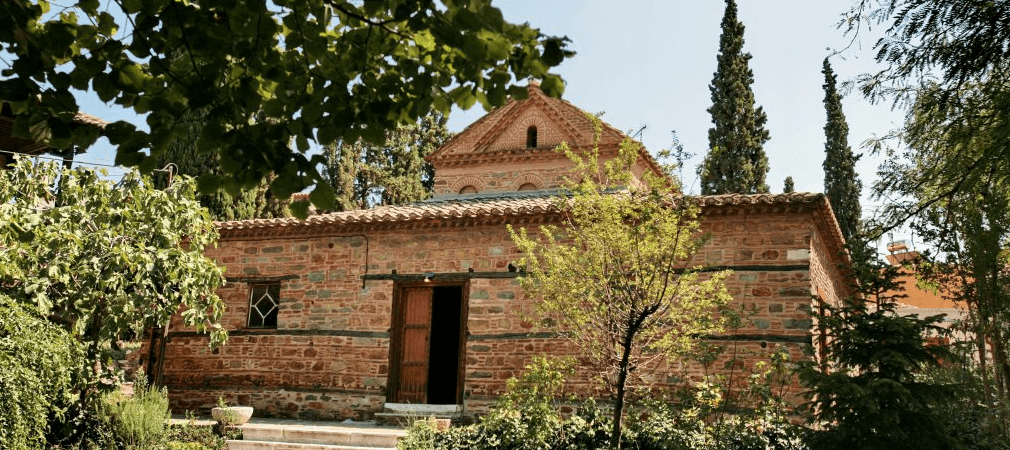
This proposed route includes 10 of the most important UNESCO monuments that extend above Agios Dimitrios in the Northern part of the Municipality of Thessaloniki, specifically in the Upper Town.
A 4.5 km route that includes the monuments:
- Church of the Holy Apostles
- Church of Saint Catherine
- Church of Prophet Elias
- Church of Agios Dimitrios – Crypt
- Byzantine Bath 6
- Monastery of Latomou (Holy David)
- Vlatadon Monastery
- Triangle Tower
- Eastern Walls
- Agios Nikolaos Orphanos1
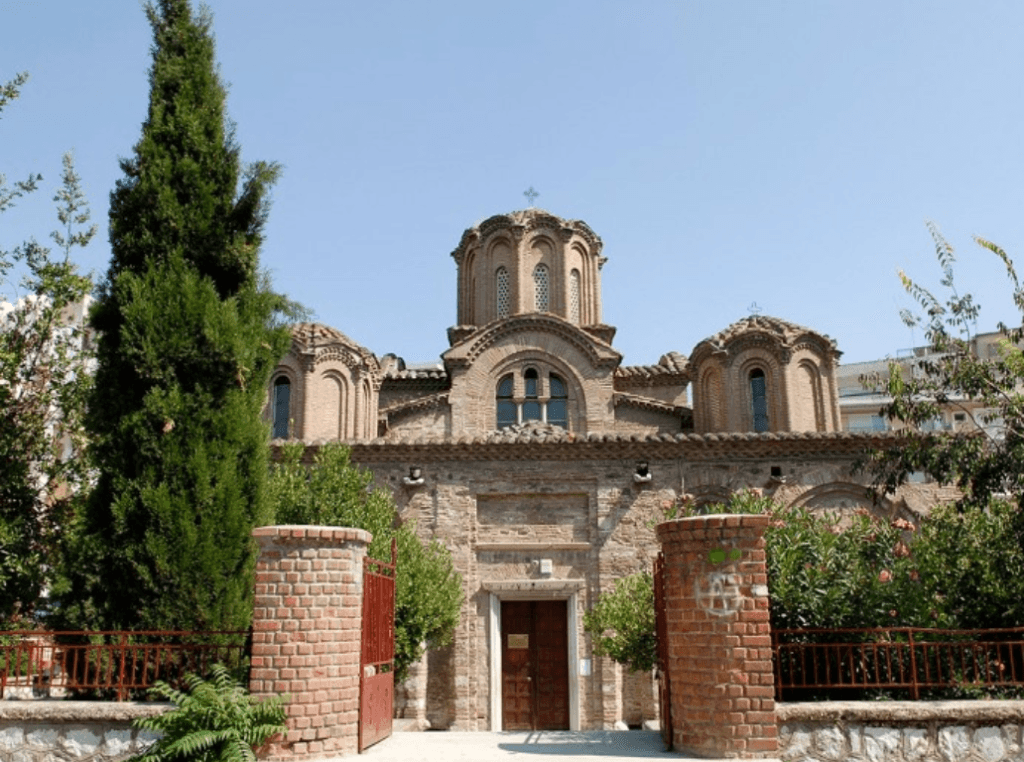
- Church of the Holy Apostles
It was a Catholic monastery founded by Patriarch Niphon I (1310-1314). The monument belongs to the type of complex tetragonal cruciform inscribed temples with a narthex and a parapet on three sides. Masterful mosaics from the time of Niphon are preserved in fragments in the highest parts of the main temple: Pantocrator and the prophets in the dome, the Evangelists in the spherical triangles, the Twelve in the arches and the western wall, and holy martyrs. The pictorial program of the temple was completed with frescoes of high artistic quality, with scenes from the Old and New Testaments and with themes symbolic or inspired by hymnography.
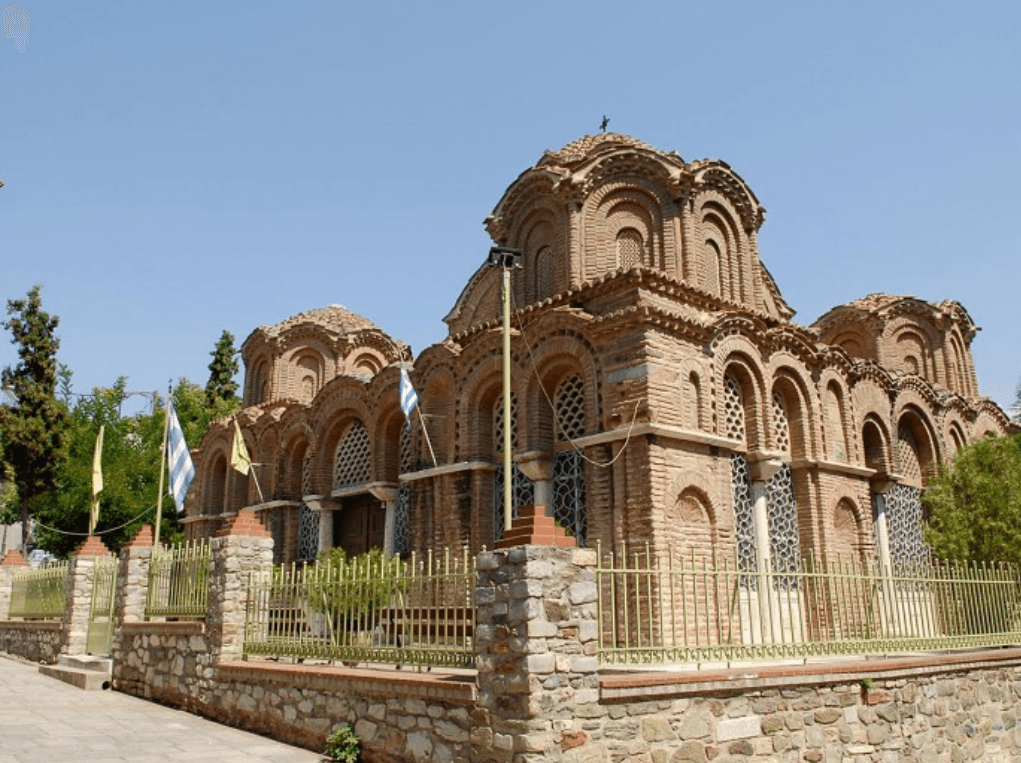
- Church of Saint Catherine
The church dates back to the late 13th-early 14th century and was the catholicon of a Byzantine monastery. It is a complex, tetragonal, cruciform-inscribed church with a parapet and chapels to the east, and is considered an excellent example of Paleologian architecture.
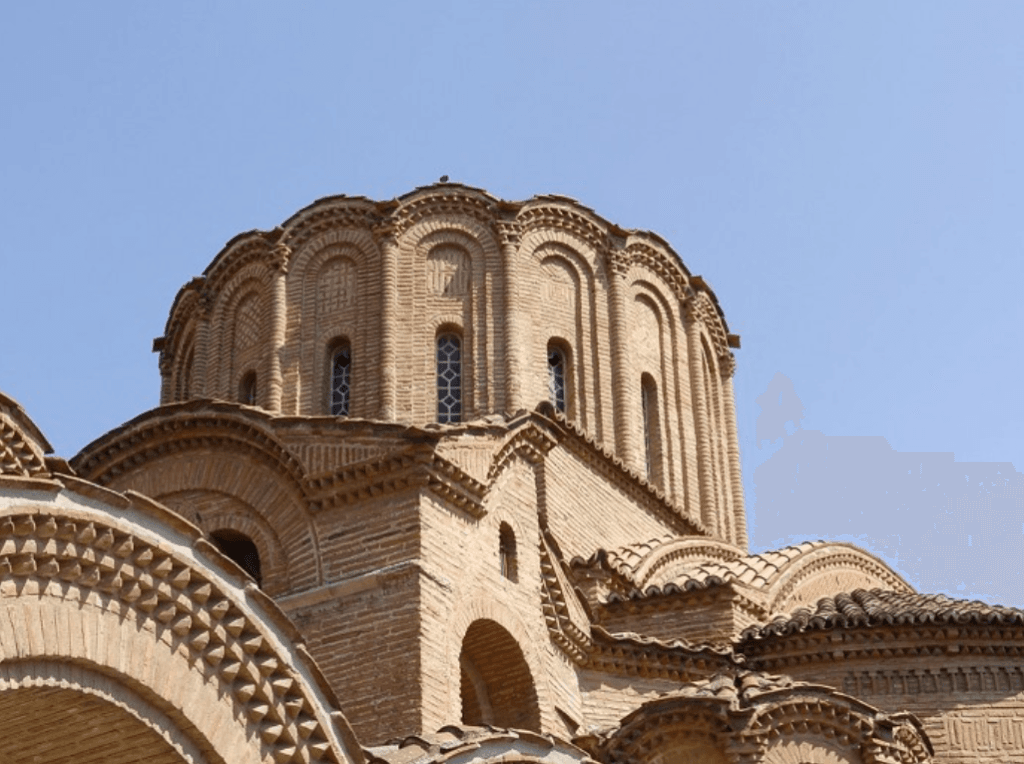
- Church of Prophet Ilias
The church, dedicated to Christ, is identified with the catholicon of the Byzantine monastery of Akapni. It is unique in its architectural type and is known for its representation of Infanticide, a hallmark of the last phase of Palaeologian painting.
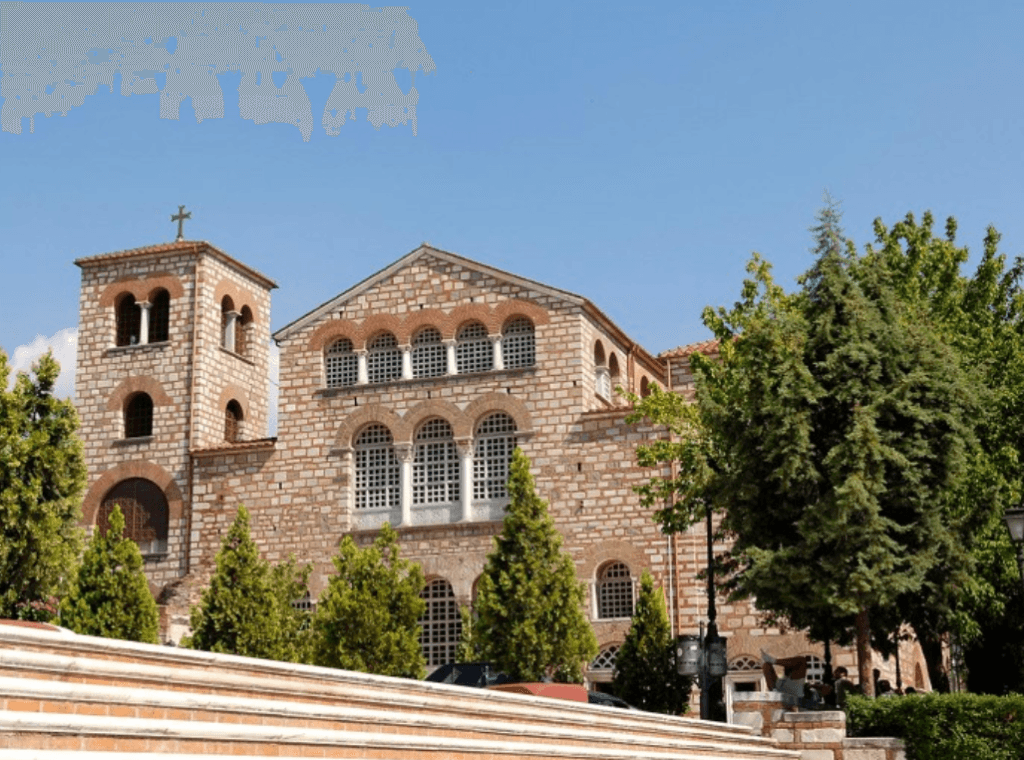
- Church of Agios Dimitrios – Crypt
Dedicated to the patron Saint of the city, the majestic Basilica of Agios Dimitrios is one of the most important early Christian churches in Thessaloniki. It was originally built on the ruins of a Roman bath, in the place where, according to tradition, the Saint was imprisoned and martyred in 303. The first church, a small shrine, was built in 313. The holy place of martyrdom, the Crypt, is located under the transversal aisle of the church, and in the late Byzantine years it was the center of the Saint’s myrobolisia.
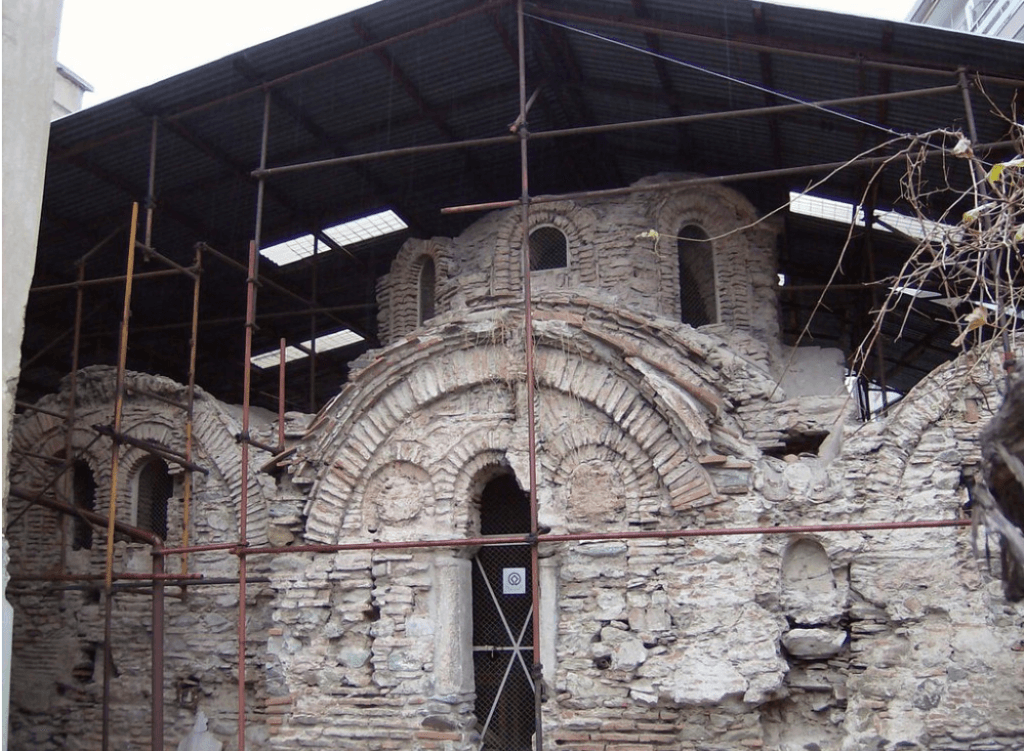
- Byzantine Bath
It is the only public bath of the mid-Byzantine period that is preserved almost intact today in Greece and one of the few secular buildings of that era that have been saved. Its construction is dated to 1300 AD, while it stopped functioning in 1940, after seven centuries. It maintains all the spaces necessary for a bath: vestibule, warm and hot space, and tank.
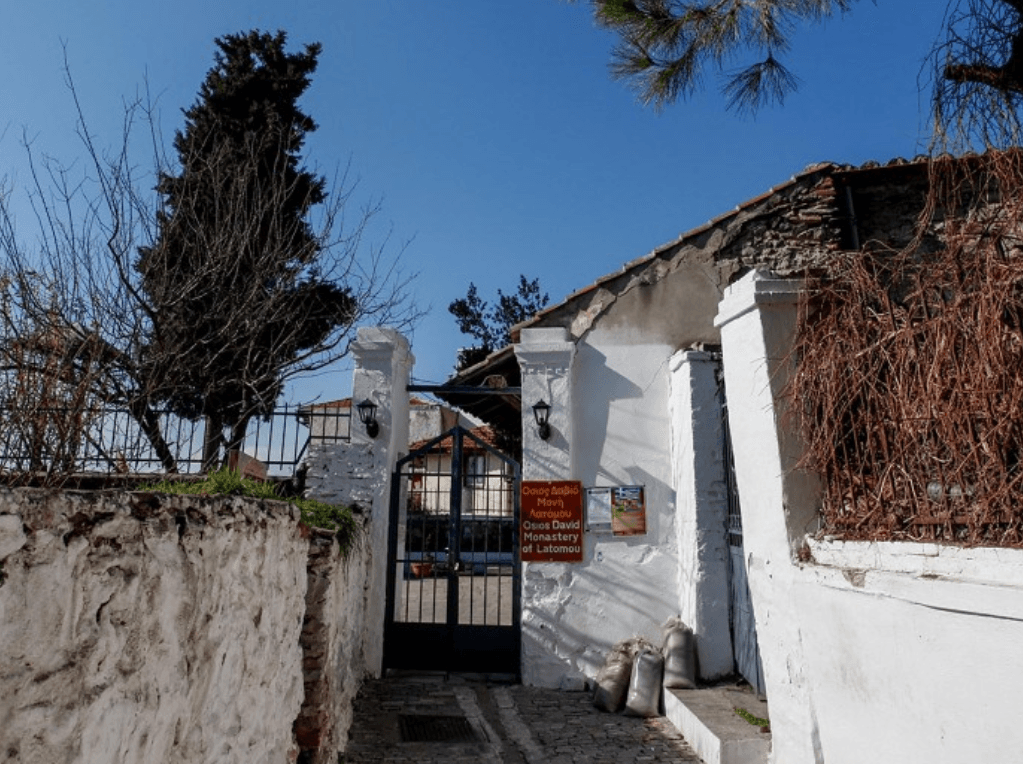
- Latomou Monastery (Holy David)
The old catholicon of Latomou Monastery, which got its name (Latomou) from the existence of stone quarries in the area, is a church dedicated to Saint David. It was built at the end of the 5th century AD in the type of inscribed cross in a square with a niche in the east. One of the most important mosaic representations of early Christian art, better known as the Vision of Ezekiel, is preserved in the temple of Saint David.
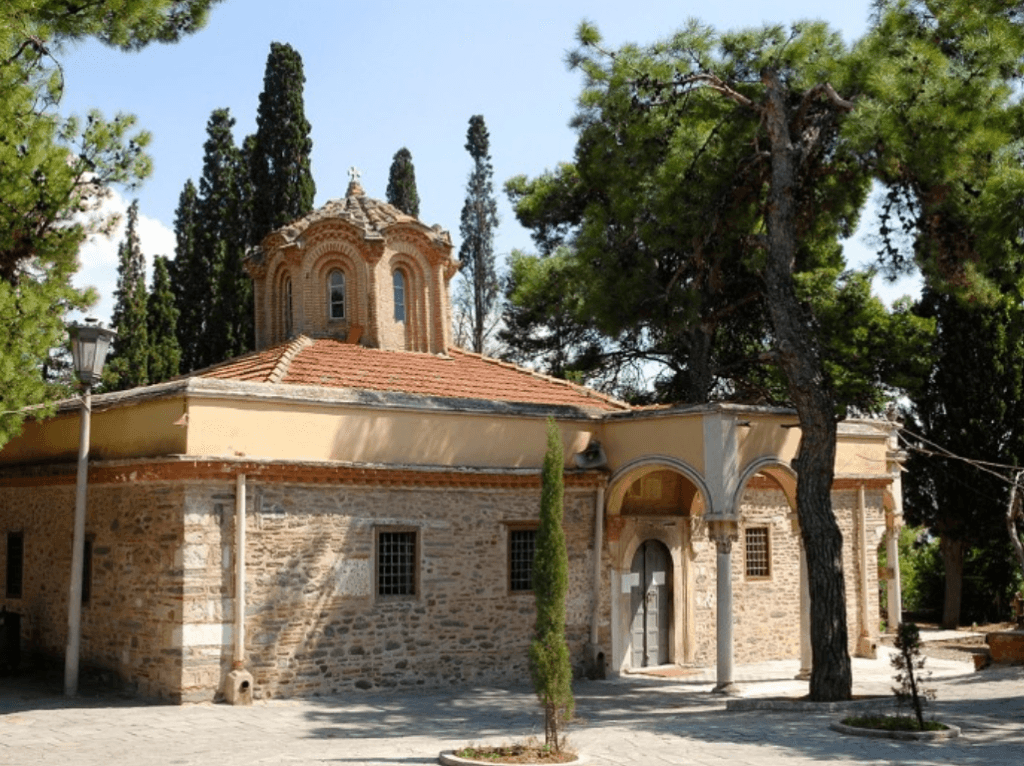
- Vlatadon Monastery
A monastery of unique importance, as it is the only Byzantine monastery that is still in operation today. According to local oral tradition, the Apostle Paul taught the Thessalonians during his second tour (51). It was founded in 1351-1371 by the disciple of Grigorio Palamas, monk Dorotheos Vlatis, and later metropolitan of Thessaloniki. The Patriarchal Foundation of Patriarchal Studies of the Ecumenical Patriarchate of Constantinople has its seat in the Vlatadon Monastery. Beyond the religious interest, however, the visit to the Monastery will reward you for one more reason. Its excellent location offers a stunning view of the city of Thessaloniki, even up to Mount Olympus.
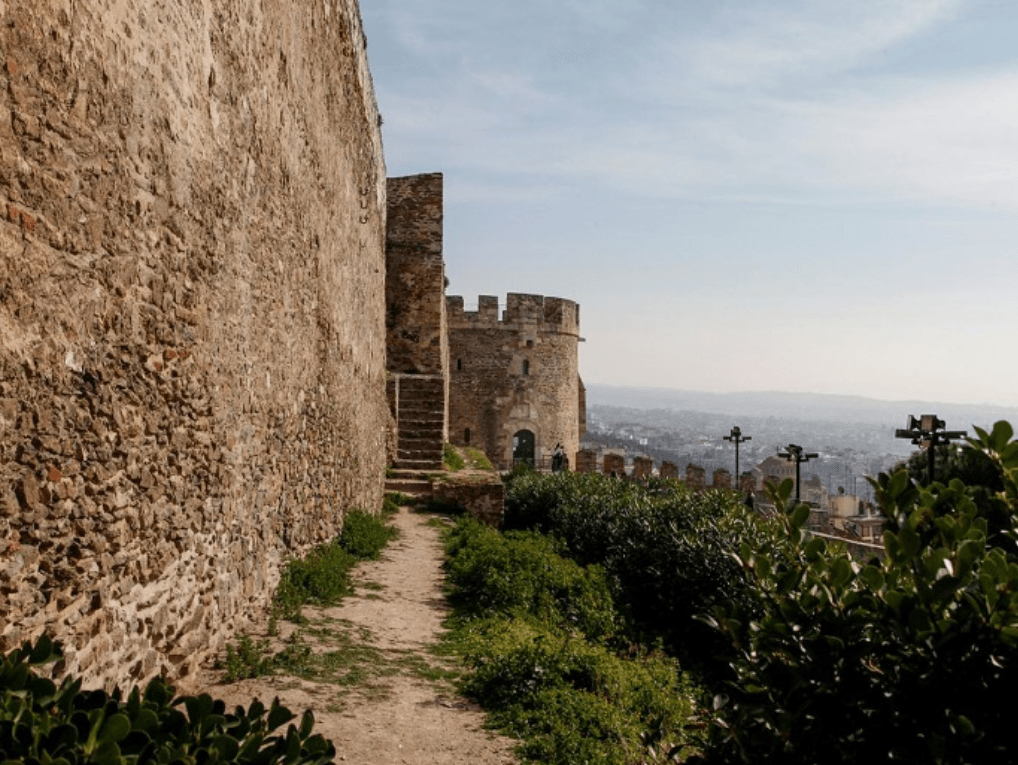
- Trigoni Tower
Going up towards the Upper Town, the Thessaloniki of the Walls is revealed in front of you. Following the median wall, which separated the area of the Acropolis from the Upper Town, towards the northeast, opens the Gate of Anna Paleologina, which led to the area outside the walls. The median wall ends in the northeast at the imposing Pyrgos tis Alysos or Pyrgos tou Trigoni, which was built in the 16th century, incorporating an earlier Byzantine tower, and its ‘climb’ will reward you with an amazing view of the city!
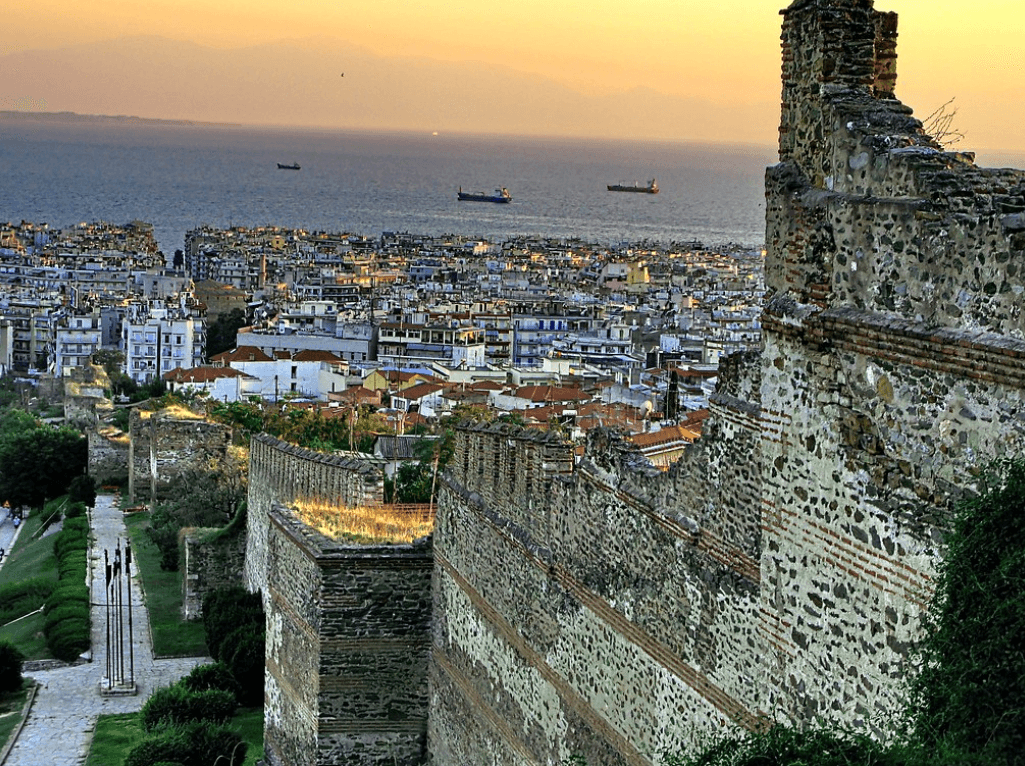
- Eastern walls
Part of the history of Thessaloniki are its Walls, fortified structures for defense and protection from would-be invaders. The main fortification works were carried out during the reign of Emperor M. Theodosios at the end of the 4th century. The trapezoidal precinct in plan was reinforced with alternating triangular cantilevers and square towers, as well as a rampart, with the total perimeter of the walls reaching 8 km. In ‘Kastra’, as the whole area is known, another city is hidden, with old neighborhoods, especially loved by visitors and the residents of Thessaloniki, for the amazing sunset and the panoramic view of the city!
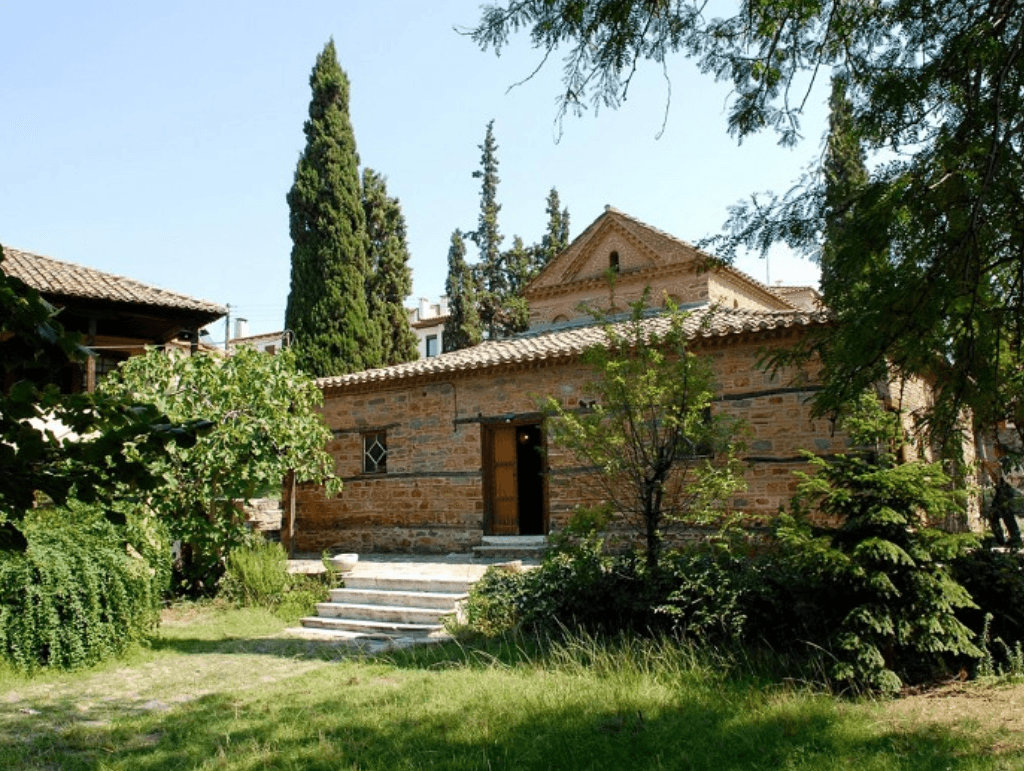
- Agios Nikolaos Orphanos
A small treasure of religious art is ‘hidden’ by the Church of Agios Nikolaos of Orphanos, which was built in the first half of the 14th century as the catholicon of a Byzantine monastery. The fresco decoration is one of the most fully preserved ensembles in Thessaloniki and expresses the classical concept of Paleologian painting.