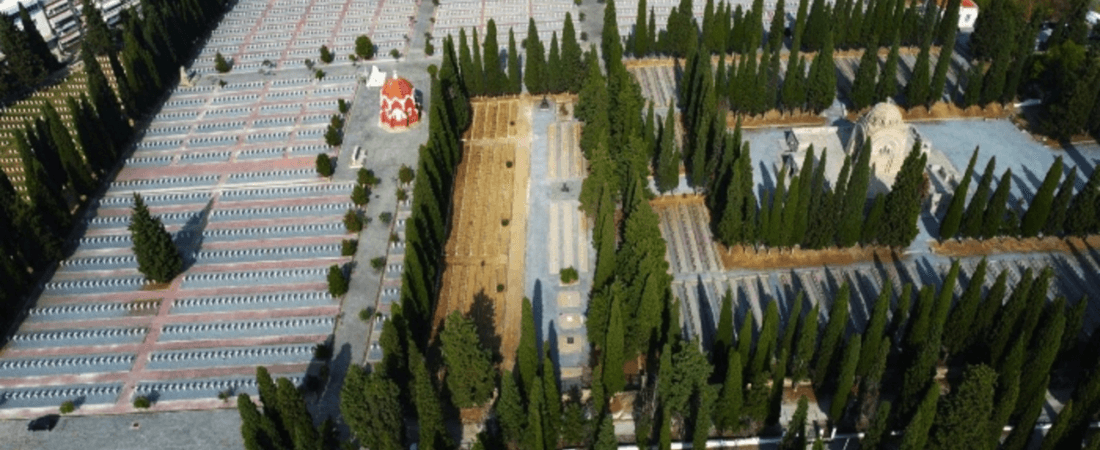
An Introduction to the Cemetery Museum
The French Cemetery Museum in Thessaloniki stands as a testament to the cultural and historical ties between France and Greece. Established by the French consulate, this museum aims to preserve and highlight the legacy of the French expatriates who contributed to the city’s rich tapestry. The origins of the cemetery can be traced back to the 19th century, a time of vibrant activity in Thessaloniki when French nationals played a significant role in various sectors, including trade, education, and the arts.
One of the museum’s primary objectives is to educate visitors about the influential figures interred within the cemetery. Through the careful curation of exhibits, the museum provides insights into the lives and achievements of these individuals, many of whom were pioneers in their respective fields. The unique interactive features of the museum enhance this experience, making it not only informative but also engaging. For instance, the integration of QR codes throughout the site allows visitors to access multimedia content, including videos, documentaries, and personal stories, facilitating a deeper understanding of the historical context.
Additionally, the multimedia content is accessible in multiple languages, including French, Greek, and Serbian, making it an inclusive experience for diverse audiences. This modern approach to historical education invites visitors to explore history in innovative ways, bridging the gap between the past and the present. By connecting historical narratives with contemporary technology, the French Cemetery Museum enriches the educational experience and encourages visitors to engage actively with the history surrounding them. Overall, the introduction of modern technology within the museum highlights the evolving methods of historical storytelling, ensuring that the legacy of the French community in Thessaloniki is not only remembered but celebrated.
Understanding the Macedonian Front
The Macedonian Front, often overshadowed by more renowned battlefields of World War I, plays a crucial role in understanding the complex tapestry of the conflict. Located in the Balkans, this front covered a significant area that included parts of modern-day Greece and North Macedonia. Its geographical position made it a strategic point for the Allied forces, serving as a bridge between Eastern and Western military efforts against the Central Powers. The region’s mountainous terrain and varying climates posed unique challenges, influencing the strategies employed by both sides.
The battles fought on the Macedonian Front were not only pivotal in the context of the war but also involved a diverse coalition of nations. Primarily, the conflict saw engagements between Allied forces, including British, French, Serbian, and Greek troops, against the Central Powers, particularly Bulgarian and German forces. The Serravo and Vardar offensives, among others, were critical confrontations that exemplify the intensity and complexity of the conflict within this theater. For many, the relatively lesser-known nature of this front may obscure the high stakes involved in several key battles that comprised a decisive turning point in the broader campaign.
This front had far-reaching implications for the war and its aftermath, as the fighting diverted resources and attention from other fronts, affecting the overall war strategy. Additionally, the war’s end led to significant political ramifications in the region, influencing national boundaries and leading to tensions that would reverberate for years to come. Despite being often overlooked in mainstream historical narratives, the importance of the Macedonian Front lies in its totality; understanding its battles and players offers a comprehensive view of the Great War and reminds us of the countless sacrifices made on various fronts. Recognizing the significance of this front fosters a deeper appreciation for the nuances of history and the interconnectedness of different military campaigns throughout World War I.
Life in Thessaloniki: The French Soldiers’ Experience
During the First World War, Thessaloniki served as a major base for approximately 300,000 French soldiers from 1915 to 1918. Their presence in the city significantly shaped both military and civilian life. The daily experience of these soldiers was marked by a mix of military duties and interactions with the local population, influencing various facets of Thessaloniki.
Living conditions for the French troops were often challenging, as they had to adapt to a foreign environment. Many soldiers resided in makeshift accommodations or repurposed buildings, which influenced their quality of life. Despite these conditions, they endeavored to create a sense of community and engaged socially with local residents. This interaction led to cultural exchanges that enriched the soldiers’ experience and contributed to a unique blend of French and Greek influences in the area.
One of the most notable areas of contribution by French soldiers was in public health. They implemented several health initiatives to combat endemic diseases prevalent in the region, which improved the overall health standards for both soldiers and locals. Additionally, their efforts in agricultural advancements helped improve food production and resource distribution, which was crucial during the war era.
The infrastructure projects spearheaded by the French significantly altered Thessaloniki’s landscape. The development of roads, sanitation systems, and other essential services not only facilitated military logistics but also enhanced the daily lives of citizens. These initiatives made lasting impacts, shaping the city’s functionality and accessibility for years to come.
Furthermore, the cultural interactions were marked by shared experiences in music, cuisine, and local festivals, creating a rich social tapestry. As the soldiers engaged with the local traditions, they forged bonds that transcended the typical military-civilian divide. This period in Thessaloniki left an indelible mark on both the French soldiers and the local population, showcasing a time when shared goals fostered collaboration and mutual growth amidst the hardships of war.
The Legacy of the French Army’s Contributions
The French army played a significant role in the development of Thessaloniki and the broader region of Macedonia during and after World War I. Their contributions were instrumental in shaping the infrastructure and agricultural practices of the area. One of the most notable developments was the enhancement of the port of Thessaloniki, which became a pivotal hub for trade and transportation. The improvements made to the port facilitated not only the movement of goods but also supported the economic growth of the city, allowing Thessaloniki to thrive in the following decades.
In addition to the port’s development, the French army was also responsible for extensive road construction projects throughout the region. These new roads connected Thessaloniki with surrounding areas, improving accessibility for both commerce and local populations. This network of roads played an integral role in fostering trade relations and facilitating the movement of troops and resources during the war. The legacy of these infrastructural advancements is still evident today, as they laid the foundations for modern transportation systems in and around Thessaloniki.
Furthermore, the introduction of innovative agricultural methods by the French army transformed local farming practices. They shared modern farming techniques and crops that enhanced productivity and efficiency among the local farmers. This exchange of knowledge not only increased food production but also improved the quality of life for many residents in the region. By revolutionizing traditional farming methods, the French army’s contributions set the stage for a more sustainable agricultural future for Thessaloniki, impacting the region long after the war had ended.
Overall, the contributions made by the French army during this period were significant and lasting. They helped shape Thessaloniki’s future, establishing it as a key player in the region’s economic landscape and paving the way for its growth in subsequent decades. The fortifications created through their efforts remain a testament to the influence of foreign military involvement in the shaping of Thessaloniki’s history.