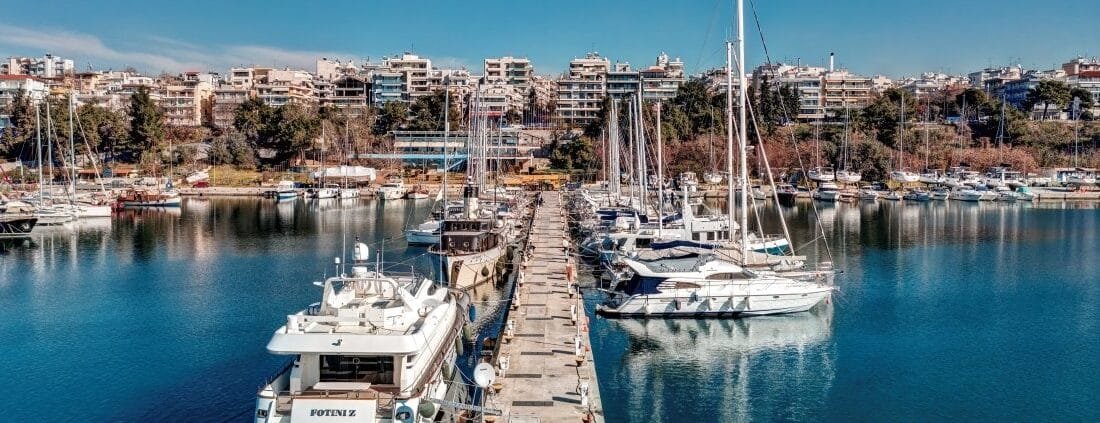
Kalamaria is a lively seaside district situated just a short distance from the center of Thessaloniki, yet it offers an atmosphere distinctly its own. Extending along the southeastern shore of the Thermaic Gulf, the area combines broad waterfront promenades, neighborhood streets, busy cafés, and open views across the water. Its position makes it an appealing choice for travelers who want to experience Thessaloniki beyond the historic core while remaining close to the city’s museums, markets, monuments, and commercial districts. A visit to Kalamaria can easily become part of a wider city itinerary, requiring little travel time and offering a refreshing change of pace.
Accessibility is one of the district’s most practical advantages. Macedonia Airport lies nearby, allowing visitors to reach Kalamaria directly after arriving in the region, whether they are beginning a longer holiday or making a brief urban escape. Road connections and local transport also link the seaside area with central Thessaloniki and surrounding communities. This convenient location is valuable for residents seeking an easy coastal outing as well as for visitors looking for accommodation, dining, or recreation within comfortable reach of the airport and city center.
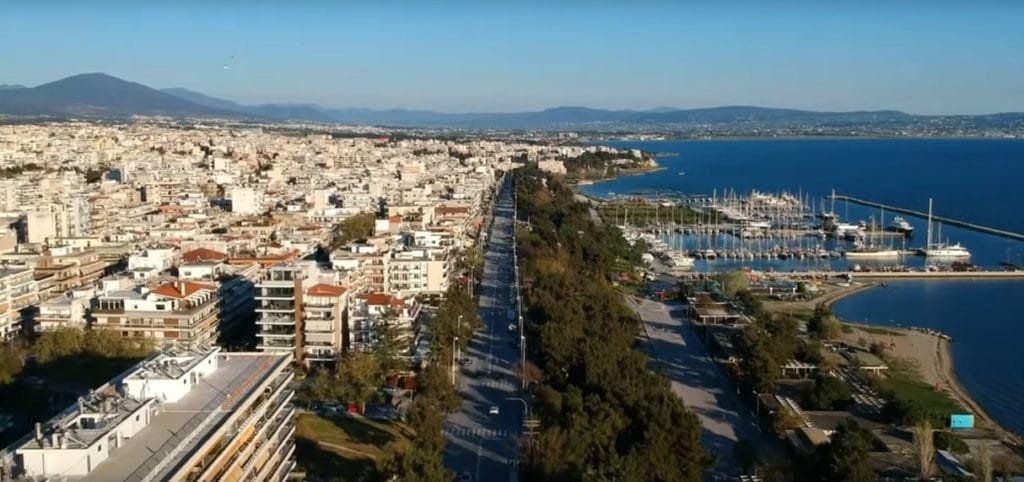
Kalamaria is more than a residential suburb. Throughout the day, its streets and waterfront support a dynamic mix of everyday urban activity, leisure, culture, and hospitality. People gather for coffee, meet friends at restaurants, walk beside the sea, or pause to enjoy the changing light over the gulf. Cultural venues, local businesses, and public spaces add variety, while the shoreline creates a relaxed setting that contrasts with the intensity of a major city. As a result, Kalamaria suits many kinds of plans: a short morning outing, a full-day excursion, or an unhurried evening of food and conversation. It brings together the energy of Thessaloniki and the calm character of a coastal neighborhood in one accessible destination.
Kalamaria’s long urban coastline is one of its most distinctive attractions, offering a refreshing connection between the city and the Thermaic Gulf. The waterfront invites visitors to walk at an unhurried pace, enjoy open sea views, or pause on a bench while watching boats move across the horizon. In the morning, the promenade provides a calm setting for exercise and coffee; later in the day, it becomes a popular meeting place for residents, families, and visitors seeking a relaxed break from the city’s busier streets.
A seaside stroll can easily develop into a culinary experience, as restaurants and cafés line or surround Kalamaria’s lively coastal areas. The choices are broad enough to suit different moods and occasions. Traditional fish taverns serve fresh seafood and familiar Greek dishes, while other restaurants offer grilled specialties, contemporary menus, or carefully prepared regional recipes. Steakhouses provide hearty alternatives, and cafés invite guests to enjoy coffee, pastries, and desserts beside the water. Bar-restaurants extend the experience into the evening with drinks, light meals, and a more social atmosphere.
This variety makes the coastline more than a scenic route; it is a setting where dining and everyday social life naturally come together. Visitors may begin with a simple walk, choose a table overlooking the gulf, and continue the evening over seafood, grilled meat, or a refreshing drink. During warm summer evenings, the waterfront becomes especially appealing as the light softens and the sunset colors the sea. Friends gather for conversation, couples linger over dinner, and families enjoy the open atmosphere. Whether the goal is a quiet coffee, a traditional meal, or a lively night out, Kalamaria’s coastal scene offers a flexible and welcoming way to experience local flavors alongside the city’s seaside character.
Kalamaria’s character is closely connected to the refugee communities that shaped it during the twentieth century. Families arriving from Asia Minor, the Black Sea region, and other parts of the East brought memories, customs, music, and recipes that gradually became part of the district’s everyday identity. Their influence remains visible in neighborhood celebrations, family traditions, and the welcoming atmosphere of local streets. Exploring Kalamaria therefore means encountering more than a modern seaside suburb; it means discovering a community whose history continues to inform its culture.
Specialty grocery stores offer one of the clearest introductions to this heritage. Their shelves and counters often feature culinary treasures associated with Eastern traditions, including cured beef, spiced sausages, perek, handmade pastries, cheeses, and preserved products prepared according to long-established methods. These businesses are not merely convenient places to purchase food. They are living expressions of migration and memory, where recipes are maintained, stories are exchanged, and distinctive flavors remain accessible to newer generations. Visitors who take time to browse them can gain a more personal understanding of Kalamaria’s history while finding ingredients and delicacies that may be difficult to encounter elsewhere in Thessaloniki.
The district’s landmarks and public spaces provide another way to appreciate its layered identity. Greek Refugee Square, positioned near Kalamaria’s central commercial pedestrian street, offers an important point of reference and a place where local life unfolds throughout the day. Its name preserves the memory of the communities that helped establish the area, while its surrounding shops and cafés connect that history with contemporary urban activity. The neoclassical mansion known as Palataki adds a different architectural dimension, recalling an earlier period and providing a distinctive setting within the coastal district. Together, these locations contribute to Kalamaria’s sense of place and can serve as gathering points for concerts, exhibitions, festivals, educational programs, and community events. Such activities welcome residents and visitors of different ages, making the district’s heritage an active part of its cultural life rather than a static historical reference.
Aretsou Beach is one of Kalamaria’s most inviting leisure destinations, offering the pleasure of the seaside without requiring visitors to leave the urban setting of Thessaloniki. Its waterfront provides space to slow down, enjoy the open horizon, and take a refreshing swim during the warmer months. Whether used for a brief dip before continuing through the city or for a longer day beside the water, the beach offers an accessible retreat for residents and travelers alike.
A beach refreshment bar adds practical comfort to the experience. Visitors can stop for a cool drink, a light snack, or an informal break while remaining close to the shore. The relaxed atmosphere suits both spontaneous visits and leisurely afternoons, particularly when the heat of summer makes the waterfront especially appealing. Nearby, Kalamaria’s marina creates another pleasant setting for exploration. The sight of boats moving across the water, along with the changing views of the coastline, makes the marina an attractive place for a scenic walk at almost any time of day.
As evening approaches, the area gains a distinctive cultural character through its summer cinema. Screenings under the open sky combine film with the atmosphere of the sea, allowing visitors to enjoy a memorable seasonal experience in an informal setting. The cinema offers an appealing alternative to conventional entertainment and gives a visit to the waterfront an added sense of occasion, especially on warm nights when the surroundings become part of the experience.
The wider beach area also frequently hosts activities and events designed for children, families, young people, and older visitors. These gatherings help keep the waterfront lively beyond the main swimming season, reinforcing its role as a social meeting place rather than a purely recreational site. Through its beach, marina, cinema, public events, and welcoming refreshment spots, Kalamaria brings coastal recreation, entertainment, local history, and hospitality together in one accessible Thessaloniki destination.
A Vibrant Cultural Calendar
During the summer months, Kalamaria becomes a lively cultural destination. The city hosts numerous concerts and festivals, including Parathinoupoli, the Summer in the City – SKG Music Festival, the Sardella Festival, traditional celebrations, and the established Para Thin’ Alos music festival. These events bring together residents and visitors through music, local traditions, and open-air entertainment, creating a distinctive atmosphere along the Thessaloniki waterfront.
Cultural activity continues throughout the year in Kalamaria’s three municipal theaters: Melina Merkouri, Stavros Kouyoumtzis, and Admiral Votsis. Their programs include theatrical performances, exhibitions, lectures, and other artistic events. Together, these venues strengthen the city’s cultural identity and provide opportunities for public engagement across a wide range of interests.
Nautical Activities and International Events
Kalamaria also has a strong connection with the sea. Two nautical clubs, the Kalamaria Nautical Sports Club and the Thessaloniki Nautical Club, are active in the area. Their work extends beyond local participation, involving national and international activities as well as the hosting and organization of important nautical sports competitions. These institutions promote athletic achievement while highlighting the city’s maritime character.
Heritage at Mikro Emvolo and Kodra
At Mikro Emvolo Cape and within the area of the former Kodra camp, visitors can discover remains of a prehistoric settlement. This combination of archaeological interest, natural surroundings, and historic military buildings offers a meaningful glimpse into Kalamaria’s past. Several military structures have been designated as monuments, preserving an important part of the area’s heritage.
An Open Urban Green Space
The former Kodra camp is also an urban green space of hyperlocal importance. It welcomes visitors seeking a place for walking, exercise, picnics, or relaxed outings with their pets. Alongside its beautiful landscape and cultural events, the area contributes to the improvement of everyday life. Its preservation supports a more sustainable, viable, and enjoyable future for Kalamaria.
A Coastal Landscape with Spiritual Character
Kalamaria combines the atmosphere of a Greek island with the conveniences of an urban municipality. Along its coastline, several Orthodox churches and chapels create distinctive landmarks beside the blue sea. The chapel of Saint Alexander in Kodra, Agios Georgios in Nea Krini, and Agios Nikolaos in the picturesque harbor of Kellarios Bay are especially notable. Their setting provides a photogenic backdrop and has made the area an attractive choice for seaside weddings and peaceful walks.
Memories of Communities and Sacrifice
The history of Kalamaria is closely connected with the experiences of refugees and diverse communities. In the Votsi area, a memorial column recalls the former Campbell Jewish settlement, where Greek Jewish families lived after the devastating fire of Thessaloniki. In Agios Ioannis, the Mikra British Cemetery preserves the memory of soldiers, nurses, and military personnel who lost their lives far from their homelands.
Throughout the municipality, squares, memorial parks, and central landmarks continue to reflect the region’s complex past. Together, they form an open historical narrative that can be explored through the city’s streets and neighborhoods.
Museums Preserving Kalamaria’s Heritage
The Historical Archive of Refugee Hellenism, known as IAPE, works to preserve and share the cultural heritage of refugee communities. Its collections offer valuable insight into the journeys, traditions, and contributions that shaped modern Kalamaria. Equally impressive is the “Christos Kalemkeris” Museum of Photography, home to one of Greece’s most important photographic archives.
In Foinikas, the Pharmaceutical Museum presents rare objects and historical artifacts documenting pharmaceutical development in Greece from the fifteenth century to the present. Kalamaria also places strong emphasis on accessibility, improving roads, municipal services, and shops so that its heritage and public spaces can be enjoyed by everyone.