A Historical Overview of the Port of Thessaloniki
The Port of Thessaloniki boasts a rich and diverse history that illuminates its pivotal role within the broader context of economic development in the region. Established over 2,300 years ago during Hellenistic times, the port was initially created to facilitate trade and the movement of goods across the Mediterranean. Its strategic location and natural harbor made it an essential hub connecting Europe with Asia and Africa.
Throughout the centuries, Thessaloniki evolved under various empires, particularly during the Byzantine period, when it became one of the most important cities in the Balkans. As a key point on the Via Egnatia, which linked Rome to the East, the port thrived as a center for commerce, culture, and administration. Its significance grew as it attracted merchants and travelers, exchanging not only goods but also ideas and cultures, marking it as a cosmopolitan city.
The Ottoman period further transformed Thessaloniki, as the port continued to flourish as a commercial gateway. Its bustling docks facilitated trade in cotton, spices, and other commodities, establishing the city as a vital economic powerhouse in the empire. During these years, the port also became a melting pot of different nationalities, religions, and cultures, enriching its character and history.
In the 20th century, the Port of Thessaloniki underwent modernization and expansion to adapt to changing global trade dynamics. Today, it serves as a contemporary logistical and maritime center, facilitating international trade and contributing significantly to the local economy. As we explore the intricate historical tapestry of the Port of Thessaloniki, it is evident that its legacy as a vital economic hub continues to resonate through the ages, underscoring its enduring importance on the world stage.
Economic Significance of the Port Today
The Port of Thessaloniki has firmly established itself as a pivotal economic hub, not only for Greece but also for the broader Balkan region. Acting as a major commercial gateway, it connects countries in Southeast Europe with international markets, thus facilitating an extensive flow of goods and services. Its strategic geographical position along the Aegean Sea enhances its role in international shipping routes, making it one of the busiest ports in the Mediterranean.
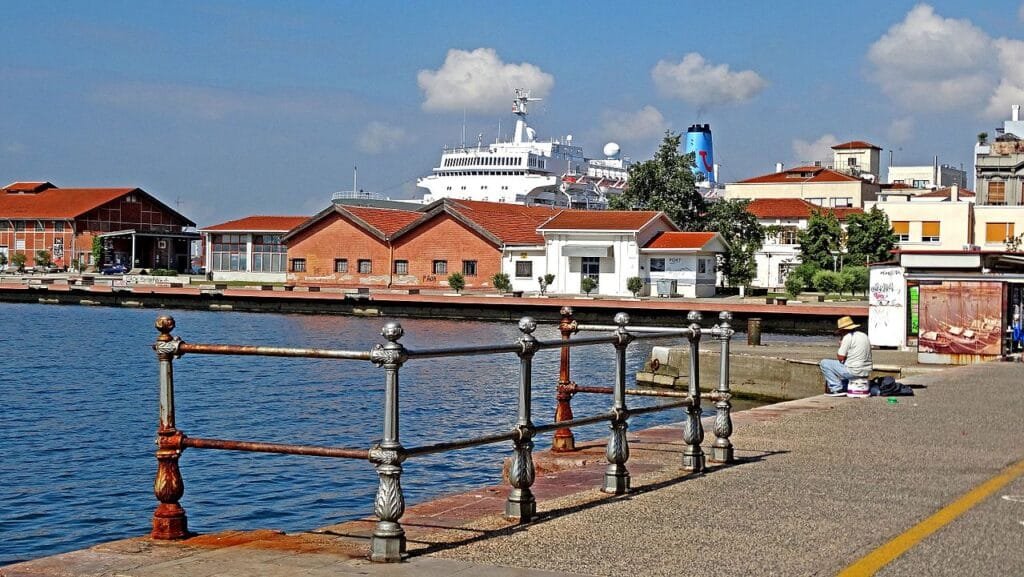
In recent years, the port has undergone significant modernization and expansion, focusing on enhancing its facilities and cargo capabilities. It boasts a state-of-the-art container terminal, which is equipped to handle a diverse range of cargo types, from bulk materials to high-value consumer products. This advancement in infrastructure has not only improved efficiency but has also attracted major shipping lines, consequently boosting the port’s competitiveness.
The economic impact of the Port of Thessaloniki extends beyond its cargo handling capabilities. It plays a crucial role in supporting local industries and businesses, significantly contributing to the sustainability of jobs and the growth of ancillary services. This includes logistics, transportation, and even tourism-related sectors, which heavily rely on the port for their operations. The economic activity generated by the port translates into substantial tax revenues for the local and national government, underlining its importance in the regional economy.
Moreover, the port’s role in enhancing international trade cannot be overstated. By facilitating maritime connections, it assists businesses in Greece and the Balkans to access global markets, thereby increasing export potential. The ongoing investments in port infrastructure are indicative of a robust commitment to further enhance its operational capabilities, ensuring that the Port of Thessaloniki continues to thrive as a significant economic player in the region.
Cultural Transformation and Community Engagement
The Port of Thessaloniki has undergone a significant cultural transformation in recent years, turning its traditional port facilities into vibrant cultural venues that foster community engagement. This evolution has enabled the port to emerge as a key player in the region’s cultural landscape, delineating a new identity that interweaves the maritime heritage with contemporary arts and culture.
Former warehouses and storage spaces have been repurposed to host various artistic endeavors. With the renovation of these facilities, local artists, performers, and cultural organizations now have a prominent platform to showcase their talents. These newly transformed spaces allow for a variety of cultural activities, including art exhibitions, music performances, and theater productions, which actively involve the local community and attract visitors from beyond the city.
The community engagement aspect is particularly noteworthy. Local residents are not merely passive spectators; they are crucial participants in this cultural renaissance. Workshops, educational programs, and interactive events are hosted regularly, inviting individuals from all walks of life to take part, learn, and contribute to the cultural dialogue. As a result, the bond between the port and the inhabitants of Thessaloniki has deepened, creating a sense of ownership and pride amongst the locals.
Furthermore, this cultural transformation resonates well with the underlying ethos of sustainable urban development. By revitalizing the port area, Thessaloniki fosters a thriving cultural ecosystem while simultaneously preserving its historical significance. This synergy between heritage and modernity exemplifies the ongoing commitment to celebrating the rich history of the port, ensuring that it remains a vibrant and integral part of the city’s identity for generations to come.
Venues of Cultural Activities at the Port
The Port of Thessaloniki, a historically significant hub, has undergone extensive renovations, transforming it into a vibrant cultural destination. These revitalized spaces not only celebrate the city’s maritime history but also serve as venues for artistic expression and cultural exchange. Among the most notable additions are the Museum of Photography, the Cinema Museum, and the Contemporary Art Center of Thessaloniki.
The Museum of Photography, located within the port’s newly developed cultural precinct, hosts a remarkable collection that highlights both historical and contemporary photographic works. This venue not only displays local talent but also features international exhibitions, making it a crucial element in promoting visual storytelling. Visitors can expect to engage with diverse perspectives through both static displays and dynamic events, including artist talks and workshops.
Adjacent to it, the Cinema Museum presents an immersive experience dedicated to the history of cinema, with a focus on Greek film. This facility offers screenings of classic and contemporary films while providing insights into the evolution of storytelling through the cinematic lens. The museum often organizes themed festivals and retrospectives, encouraging attendees to appreciate the art of film in innovative ways.
The Contemporary Art Center of Thessaloniki acts as a beacon for modern art enthusiasts, presenting cutting-edge exhibitions that showcase the work of both emerging and established artists. This center is committed to fostering dialogue about contemporary artistic practices and often collaborates with local and international artists to create site-specific installations and thought-provoking projects. Visitors can expect a dynamic atmosphere that stimulates both creative thought and cultural interaction.
In aggregate, these venues at the Port of Thessaloniki reflect the city’s dedication to celebrating its artistic heritage while embracing contemporary cultural movements. Each venue offers unique experiences that enrich the cultural landscape, ensuring that both locals and visitors can enjoy a vibrant tapestry of artistic expression.
Events and Festivals at the Port
The Port of Thessaloniki serves as a vibrant hub for numerous events and festivals throughout the year, drawing both residents and tourists alike. Its rich cultural landscape is enhanced by a variety of artistic performances, celebrations, and communal gatherings that embody the spirit of the city. Among the most anticipated events is the Thessaloniki International Film Festival, which transforms the port area into a cinematic playground. This annual festival showcases both local and international films, providing a platform for filmmakers and fostering a sense of community among cinema enthusiasts.
In addition to film, the port also plays host to the Thessaloniki Biennale of Contemporary Art. This biannual event showcases the work of emerging and established artists, encouraging creative dialogue and engagement in contemporary art. The port’s unique setting enhances the experience, allowing visitors to appreciate art against the backdrop of the bustling waterfront.
Furthermore, local music festivals are a highlight of the port’s cultural calendar. Events like the Reworks Festival attract a diverse audience with performances from an array of genres, including electronic, rock, and traditional Greek music. Such festivals not only promote local talent but also invite renowned artists from around the globe, enriching the cultural fabric of Thessaloniki.
Throughout the year, various cultural and religious celebrations, such as the feast of Agios Dimitrios and traditional fairs, take place at the port, reflecting the local heritage and communal spirit. These events often feature traditional music, dance, and culinary experiences, offering a delightful opportunity for visitors to immerse themselves in the local culture. As a result, the Port of Thessaloniki has solidified its standing as a dynamic entertainment hub where cultural expression thrives and community connections are forged.
Leisure and Entertainment Options Near the Port
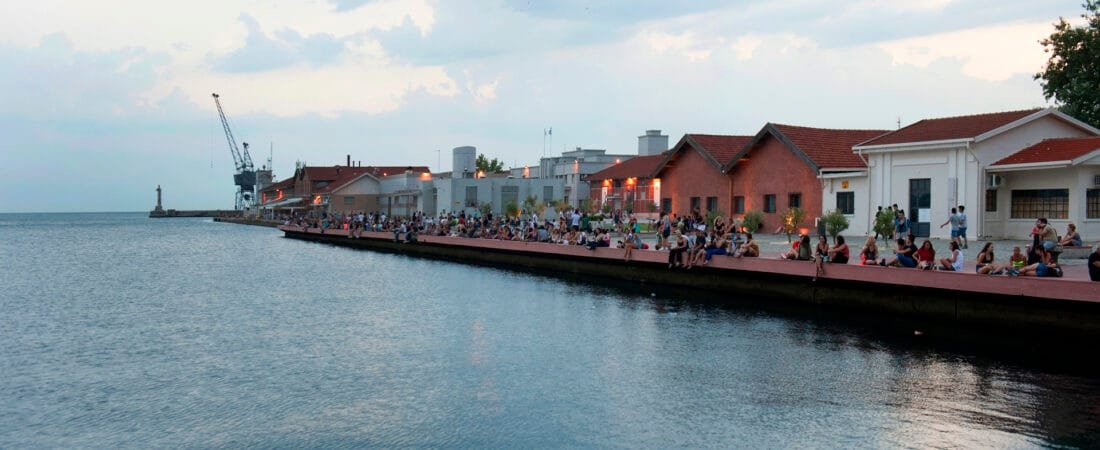
The Port of Thessaloniki offers an array of leisure and entertainment options that enhance the overall experience of visitors and locals alike. One can find a multitude of cafes, bars, and restaurants lining the waterfront, each contributing to the vibrant atmosphere that has become synonymous with this historic port city. These venues are strategically situated to offer patrons stunning views of the sea, particularly at sunset when the sky transforms into a brilliant tapestry of colors. This picturesque backdrop encourages both relaxation and social interaction.
Many cafes near the port provide a welcoming ambiance, where visitors can enjoy a morning coffee or an afternoon snack while looking out over the azure waters of the Aegean Sea. The outdoor seating arrangements often attract a lively crowd, adding to the dynamic vibe of the area. As the sun begins to set, it is common to see groups of friends and families gather to witness the breathtaking views, highlighting the social aspect of this locale.
Furthermore, the dining establishments around the port showcase a variety of culinary options that reflect the rich cultural tapestry of Thessaloniki. From traditional Greek tavernas serving fresh seafood to modern eateries offering innovative dishes, there is something to suit every palate. In addition, bars and lounges provide an ideal setting for evening entertainment, where patrons can unwind with a drink in hand and enjoy live music or local performances.
The combination of scenic views, diverse culinary offerings, and lively social spaces makes the leisure and entertainment options near the Port of Thessaloniki a must-visit for those looking to immerse themselves in the city’s vibrant culture. Whether seeking a leisurely day out or an energetic night on the town, the port area caters to a wide range of preferences and ensures an enjoyable experience for all.
Pan-European Recognition and Achievements
The Port of Thessaloniki has garnered significant attention and respect within the maritime industry, particularly owing to its impressive accolades from various prestigious organizations. One of the most noteworthy achievements is its recognition as the second-place winner in a pan-European competition organized by the European Port Authority (ESPO). This accolade not only highlights the operational excellence of the port but significantly contributes to its reputation as a key player in European maritime logistics.
Receiving such recognition in a competitive landscape reinforces the port’s position amongst its peers across Europe. The ESPO competition evaluates various factors, including sustainability practices, efficiency in operations, and community engagement, encouraging ports to innovate and improve service delivery. By securing the second position, the Port of Thessaloniki has demonstrated its commitment to excellence, particularly in embracing sustainable strategies that align with contemporary environmental and logistical standards.
This achievement is critical not just for the port itself, but also for its relationship with Thessaloniki and the broader region. The port serves as a vital economic engine for the city, enhancing trade and connectivity. An award of this nature solidifies the city’s image as a hub for commerce and travel, thus attracting investment and potentially increasing tourism. As a result, the recognition is likely to foster greater collaboration between port authorities and local government, driving initiatives that benefit both the port and the community.
Ultimately, the Port of Thessaloniki’s recognition in this competition signifies a strong commitment to improving its operational standards while contributing positively to the city’s economy. This achievement reinforces the essential role that ports play in regional development and highlights the commitment to maintaining high operational standards in the ever-evolving maritime industry.
Environmental and Sustainability Initiatives
The Port of Thessaloniki, as a significant hub for maritime trade and transport, has recognized the need to integrate environmental considerations into its operational framework. With growing awareness of the adverse effects of pollution and climate change, the port authority has embarked on several initiatives aimed at fostering a more sustainable and eco-friendly environment.
Among the prominent initiatives is the implementation of a comprehensive pollution reduction program. This program encompasses strategies designed to mitigate air and maritime pollution, such as reducing emissions from vessels and port machinery. By promoting the use of cleaner fuels and technologies, the Port of Thessaloniki aims to lower its carbon footprint, thereby contributing to improved urban air quality and supporting regional health.
Efforts to enhance green spaces within the port area also form a crucial aspect of its sustainability initiatives. The planting of trees and the development of landscaped areas not only beautify the port but also provide habitats for local wildlife. Furthermore, these green zones help in absorbing carbon dioxide, improving biodiversity, and combating urban heat. The port authority collaborates with local organizations to ensure that these green projects are aligned with community needs and enhance the overall environment.
Another significant move is the promotion of eco-friendly practices among port operators. The Port of Thessaloniki encourages its stakeholders to adhere to sustainable operational methods, such as waste reduction, recycling, and energy efficiency. Training programs and workshops are organized to raise awareness about biodiversity conservation and responsible resource use.
In conclusion, the initiatives undertaken by the Port of Thessaloniki reflect a strong commitment to environmental stewardship. By focusing on pollution reduction, enhancing green spaces, and promoting sustainable practices, the port not only paves the way for a healthier ecosystem but also ensures a balanced coexistence of trade and the environment.
The Port as a Living Landmark
The Port of Thessaloniki has served as a critical juncture throughout history, evolving significantly from its initial role in ancient commerce to a modern hub of cultural exchange. Its strategic location has made it one of the largest ports in the Mediterranean, contributing to the economic vitality of the city.
Over the years, the port has transformed into more than just a commercial entity; it is now a living landmark that encapsulates the rich tapestry of Thessaloniki’s identity. Through its various functions, the port illustrates a blend of the past and present. Historical structures coexist with contemporary facilities, highlighting the city’s commitment to maintaining its heritage while adapting to modern demands. As such, the port embodies the dual essence of commerce and culture.
Moreover, the port plays a vital role in facilitating cultural events and activities that resonate with both locals and visitors. Annual festivals, art exhibitions, and public performances have found a home in the port area, making it a dynamic space where community and tourism collide. The picturesque waterfront serves not only as an arrival point for cargo and passengers but also as a setting for leisure and cultural enrichment.
In essence, the Port of Thessaloniki stands as a testament to the city’s enduring legacy. It reflects the historical narrative of Thessaloniki while actively shaping its contemporary landscape. The multifaceted role it plays underscores its importance as a living landmark—emphasizing that the port is not merely a functional space; it is a vibrant part of the city’s cultural ecosystem, seamlessly linking the past to the future.