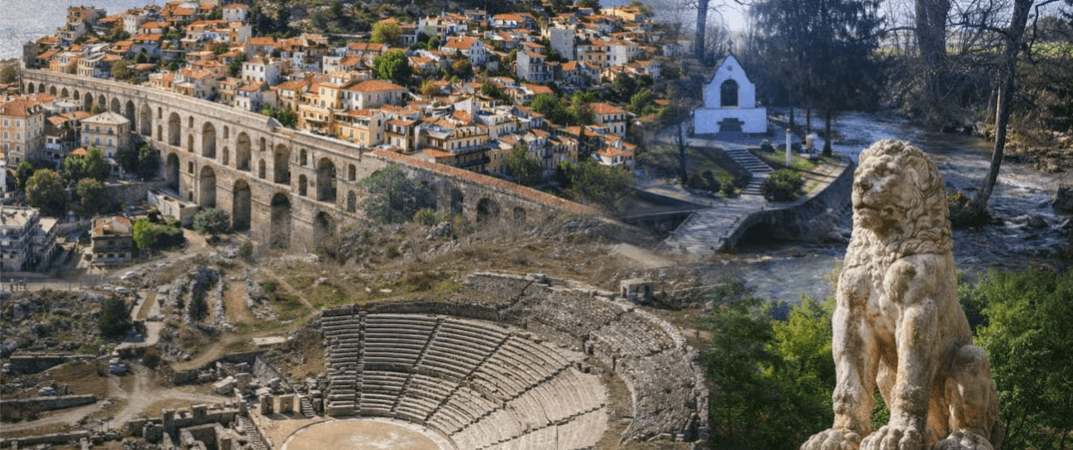
A Scenic Journey to Ancient Philippi
The journey from Thessaloniki to the archaeological site of Ancient Philippi offers not only a captivating scenic drive but also an opportunity to delve into the historical significance of one of Macedonia’s most important sites. Located approximately 160 kilometers from Thessaloniki, the route is imbued with picturesque views of the surrounding landscape, characterized by lush, rolling hills and vibrant fields that evoke the region’s rich agricultural heritage.
Established in 356 BC by Philip II of Macedon, the city of Philippi was strategically located near the Via Egnatia, the most vital Roman road connecting the East and West. Its significance grew with the conquest of the area and the establishment of a strong Macedonian foothold. The site rose to prominence during the Roman period, especially after the decisive Battle of Philippi in 42 BC, which marked the downfall of Julius Caesar’s assassins, Brutus and Cassius.
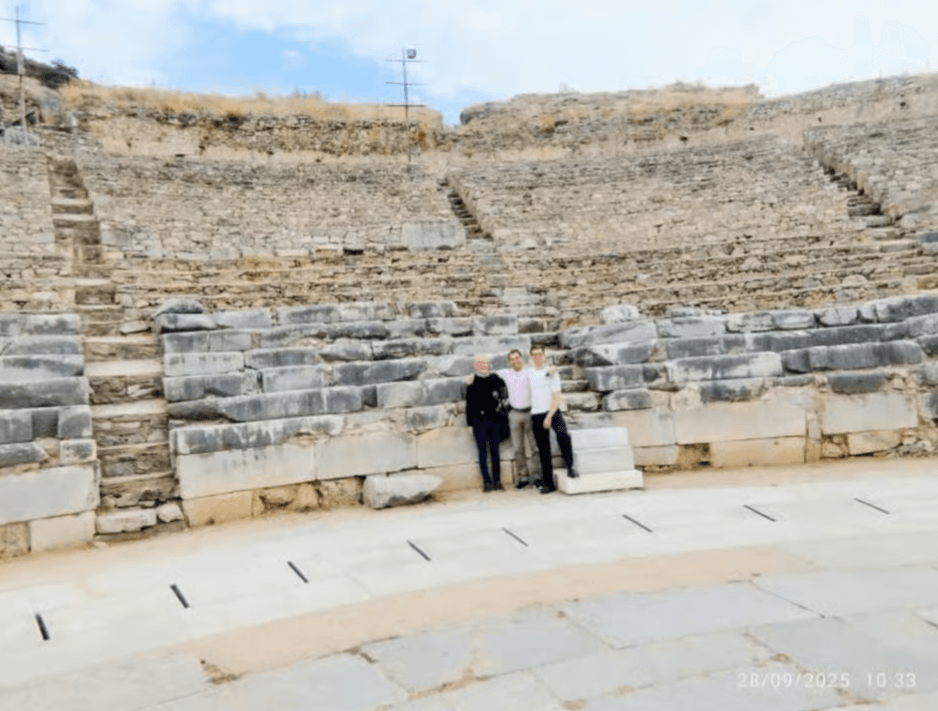
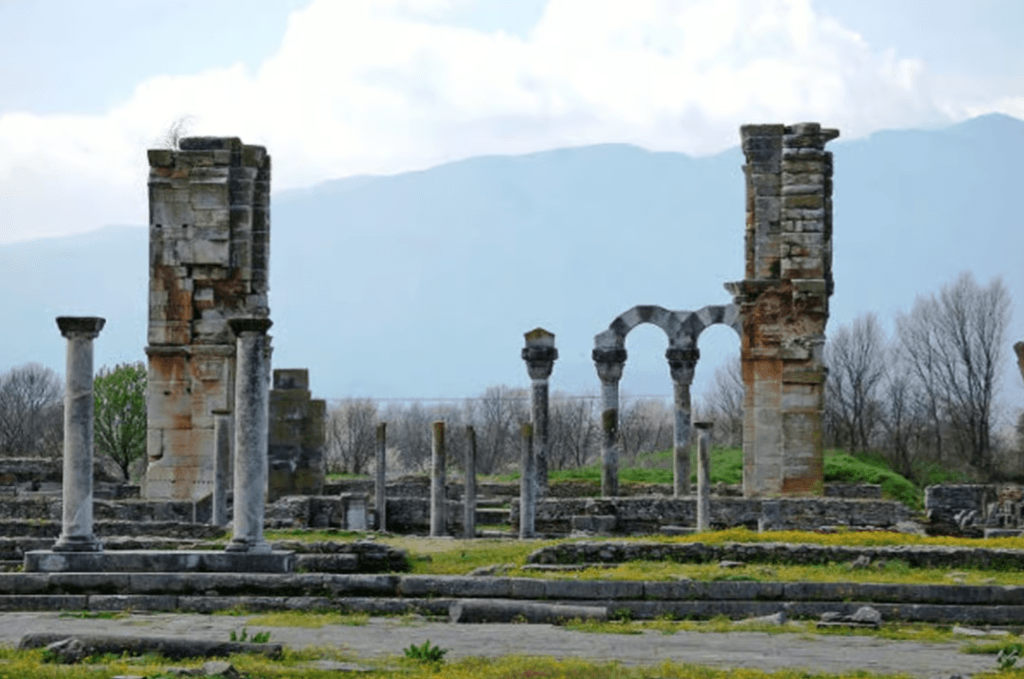
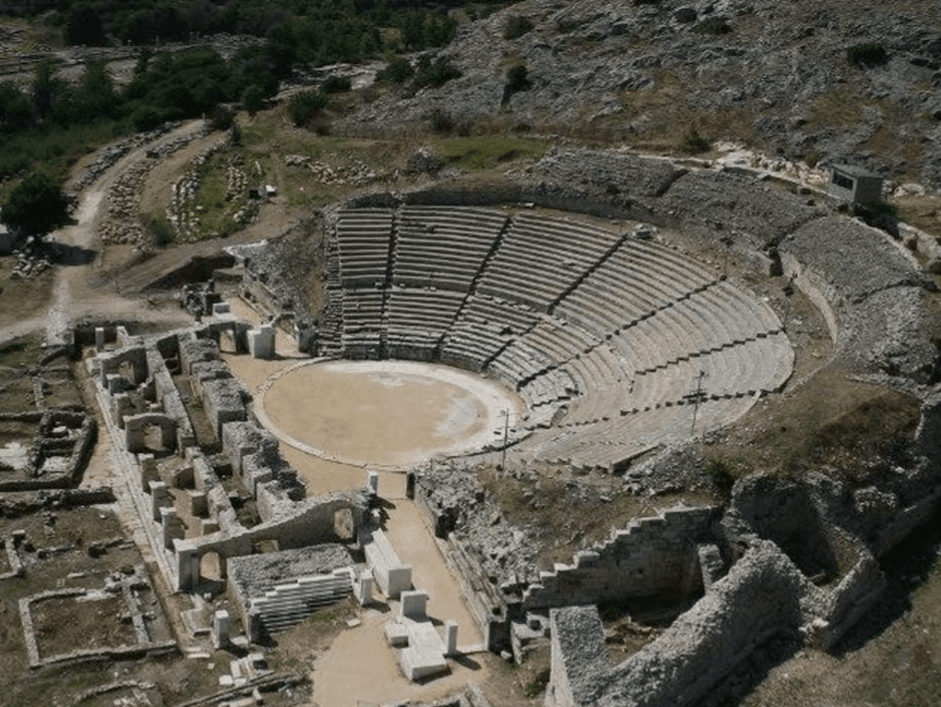
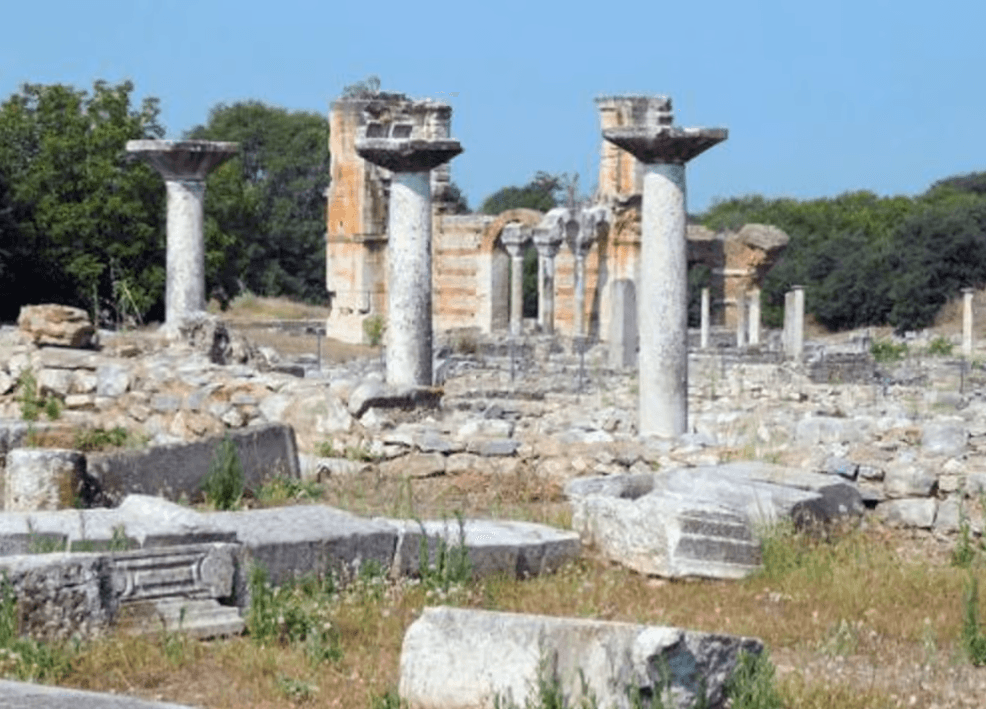
Visiting Ancient Philippi today allows one to witness the remnants of its glorious past. As a UNESCO World Heritage site, it showcases remarkable archaeological finds that include ruins of the ancient theater, basilicas, and the Roman forum, all of which reflect the architectural prowess of the time. The theater, significantly, was famous for hosting various performances and events, drawing crowds from across the Hellenistic world.
Moreover, Philippi is known as the site where St. Paul preached to Lydia, thereby marking the city as an early center of Christianity in the region. The baptism site of Lydia is also a point of interest for visitors, intertwining the historical narrative with early Christian heritage. This blend of Classical and early Christian history makes Philippi a rich tapestry of cultural and historical events that shaped Macedonia and beyond.
Thus, the journey to Ancient Philippi is not merely a travel experience; it is a passage through time, allowing explorers to appreciate the grandeur of Macedonia’s history while engaging with the scenic beauty that surrounds this remarkable archaeological site.
Unveiling the Ruins of Ancient Philippi
Located near the modern town of Kavala in northern Greece, the ancient city of Philippi stands as a remarkable testament to the rich historical tapestry of Macedonia. Founded in 356 BC by Philip II of Macedon, the city thrived due to its strategic position along key trade routes and its proximity to gold mines. Today, the ruins of Philippi attract scholars and tourists alike, offering insights into ancient Macedonian culture.
One of the most striking architectural features of Philippi is its ancient theatre, which showcases a remarkable example of Hellenistic design. Built in the 4th century BC, the theatre originally seated around 3,500 spectators, reflecting the importance of public gatherings in ancient society. The structure is renowned for its semi-circular seating and excellent acoustics, making it a favored venue for theatrical performances and community events. Over time, the theatre underwent significant renovations, notably during the Roman period, which added embellishments such as marble seating and a stage area.
The Roman forum serves as another critical element in understanding the urban layout of Philippi. This expansive public space functioned as the social, political, and economic heart of the city. Surrounded by monumental porticos, temples, and administrative buildings, the forum highlights the Roman influence on Macedonian architecture and urban design. It is here that various ceremonies and gatherings would have taken place, underscoring the vitality of civic life in ancient Philippi.
Additionally, the remains of several early Christian basilicas can be found within the archaeological site. These structures, constructed in the Byzantine era, reflect the transformation of the city following the spread of Christianity. Rich mosaics and intricate frescoes within these churches reveal the artistic heritage that flourished as the ancient city evolved.
Overall, the exploration of Philippi’s ancient ruins offers a profound understanding of the historical and cultural context of Macedonia. From the grandeur of its theatre to the societal dynamics evident in the forum, the remnants of Philippi provide invaluable insights into the life and times of its ancient inhabitants.
The Baptistery of Saint Lydia: A Christian Landmark
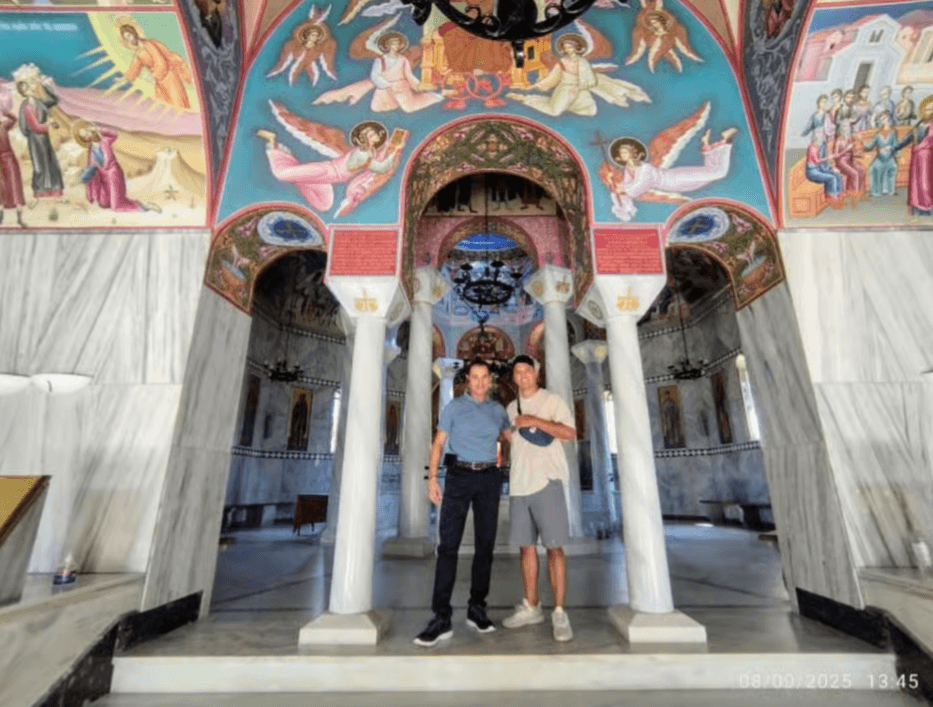
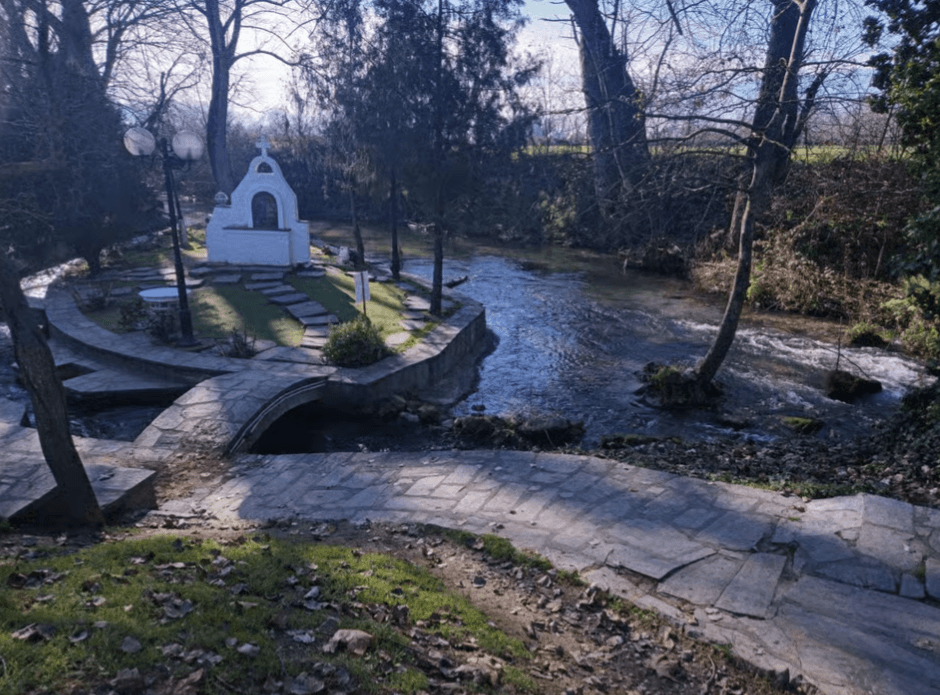
The Baptistery of Saint Lydia is a site of profound historical and spiritual significance located in the picturesque region of Macedonia. This site is revered as the place where the apostle Paul baptized Lydia, considered to be the first Christian convert in Europe. Lydia, a merchant of purple cloth from Thyatira, is depicted in the New Testament as a seeker of God, making her conversion a pivotal moment in the early spread of Christianity throughout the continent.
Visiting the Baptistery offers more than just a glimpse into the past; it serves as a connection point for countless believers who recognize the importance of this event in the Christian narrative. This baptism is recorded in the Book of Acts (Acts 16:14-15), and it marks the beginning of the Christian faith’s establishment in Europe. The site symbolizes the welcoming of Christianity into a new cultural and geographical landscape, catalyzing the faith’s extensive growth and influence in the region.
The architectural design of the baptistery itself is a blend of historical styles, reflecting the various periods of construction and renovation it has undergone. The tranquil surroundings of the site provide a serene atmosphere for reflection and prayer, allowing visitors to immerse themselves in the historical context of Lydia’s conversion. It is also an inspirational pilgrimage for many who come to honor the roots of their faith and understand the significant events that contributed to the birth of European Christianity. The impact of Lydia’s baptism resonates through centuries, highlighting how one individual’s faith can initiate monumental changes in society.
In conclusion, the Baptistery of Saint Lydia stands not only as an architectural marvel but as a beacon of faith that represents the early Christian movement’s reach across Europe. Visiting this site allows individuals to witness and reflect on a foundational moment in Christian history, making it a must-see for those exploring the ancient wonders of Macedonia.
The Charm of Kavala and Culinary Delights
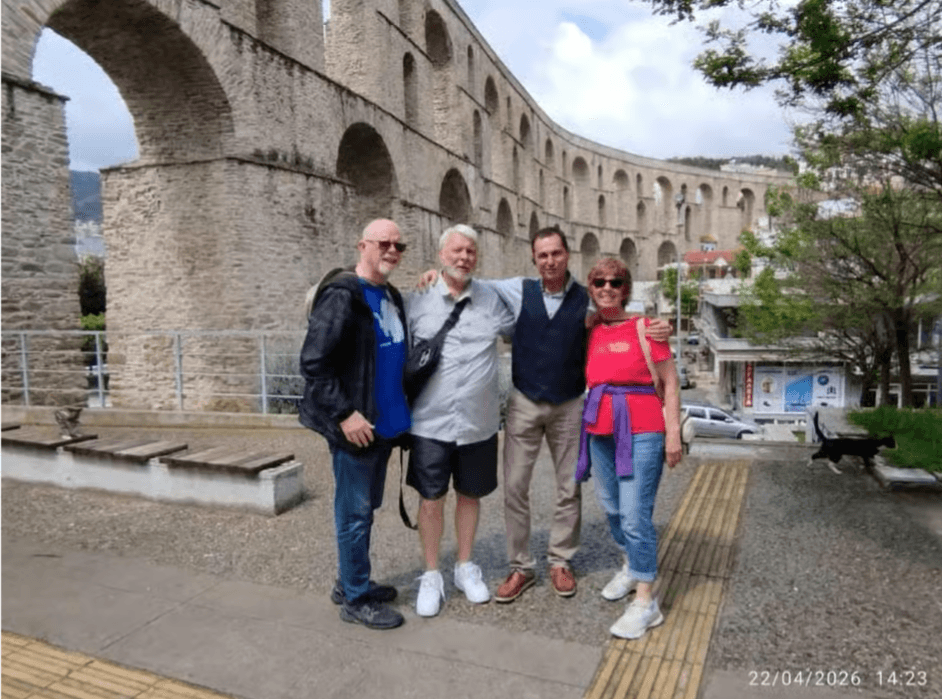
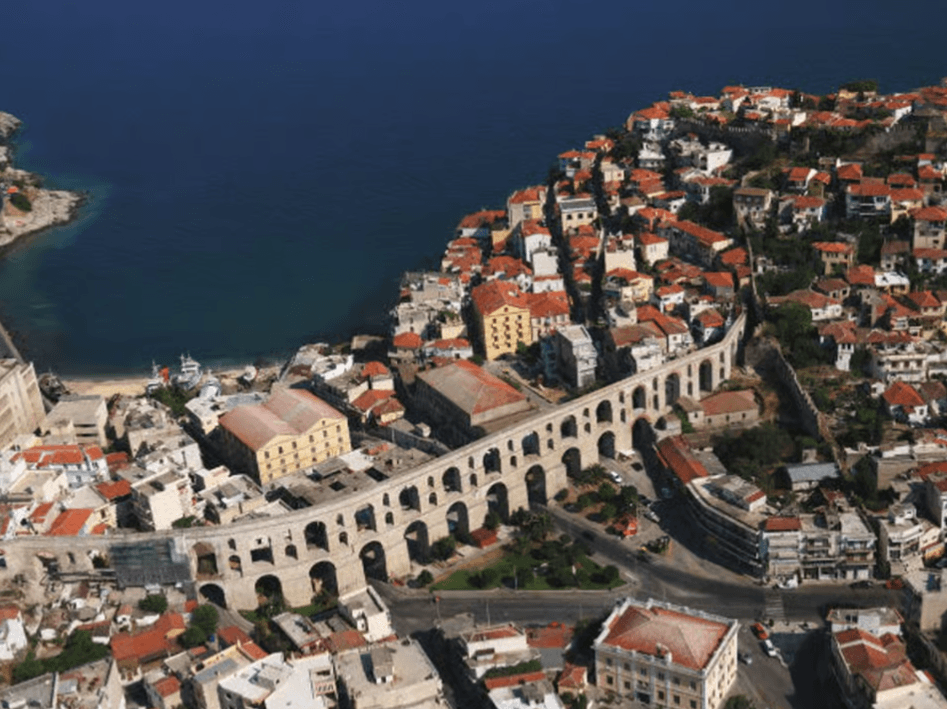
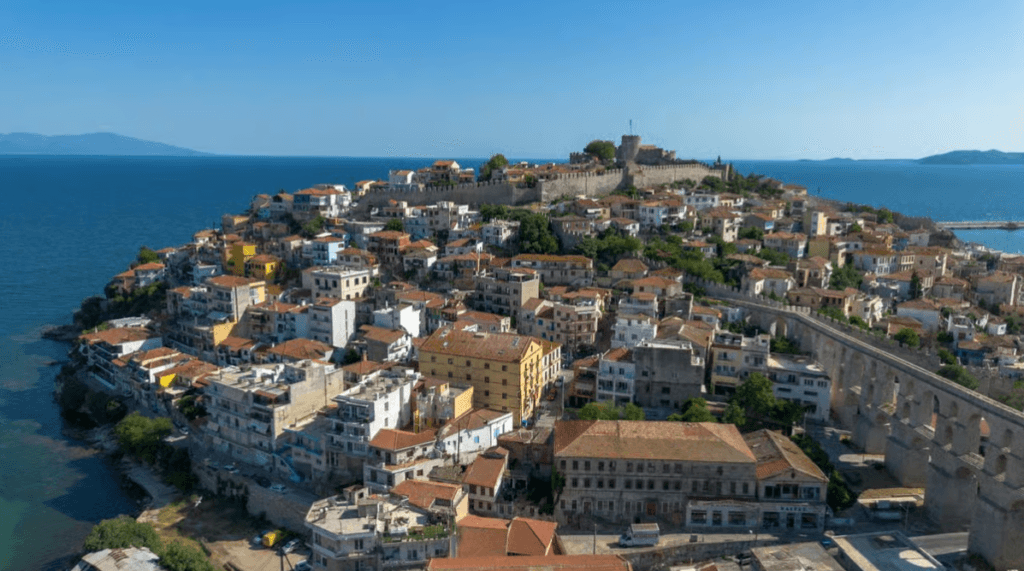
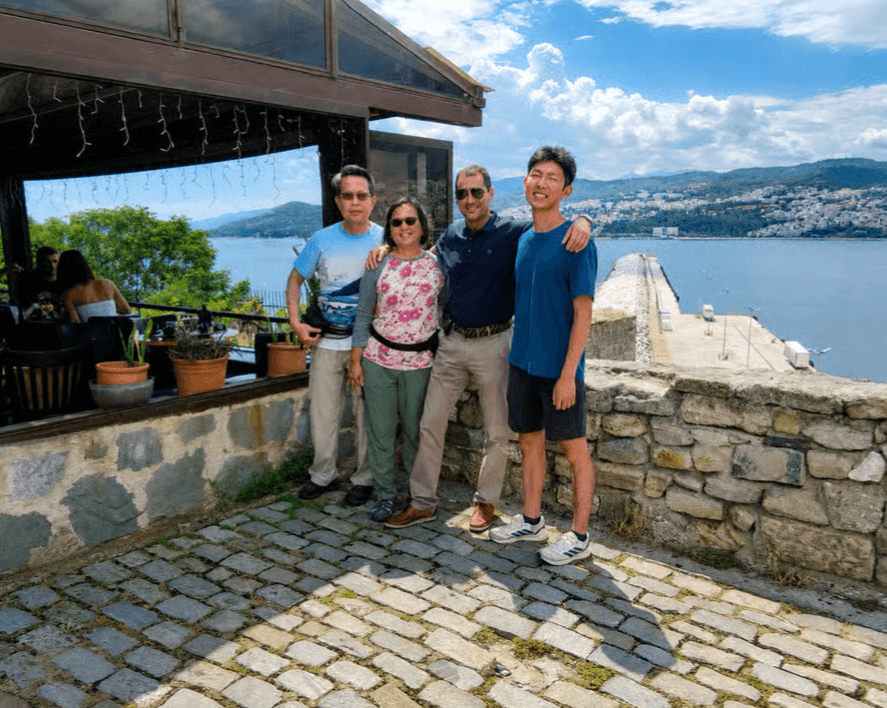
Kavala, a picturesque city situated on the northern coast of Greece, is renowned for its stunning natural beauty and rich historical background. The coastal city boasts a stunning waterfront that captivates visitors with its blend of vibrant colors, bustling markets, and the scenic backdrop of the Aegean Sea. One of the notable landmarks of Kavala is its ancient amphitheater, a remarkable structure that offers breathtaking views of the city and the sea. Dating back to the Hellenistic period, this amphitheater not only served as a venue for performances but also stands as a testament to the city’s storied past and architectural prowess.
In addition to the amphitheater, the Byzantine fortress provides yet another glimpse into the city’s historical significance. Perched on a hill, the fortress affords stunning panoramic vistas of Kavala and its surroundings, making it a favorite spot for both locals and tourists alike. Exploring the ancient walls and towers of this fortress immerses visitors in the region’s history and adds an intriguing dimension to their visit.
Beyond its historical sites, Kavala is also recognized for its vibrant culinary scene, offering visitors a chance to indulge in authentic local cuisine. Traditional dishes such as moussaka, a flavorful casserole made from layered eggplant, minced meat, and béchamel sauce, exemplify the rich culinary traditions of the area. Seafood is another focal point in Kavala’s gastronomy, with fresh catches including grilled octopus and fried calamari being popular choices. Dining at local restaurants not only allows visitors to savor these exquisite dishes but also to immerse themselves in the cultural fabric of the city.
Experiencing the culinary delights of Kavala is an essential part of visiting this charming city. The combination of the historical amphitheater, the majestic Byzantine fortress, and the vibrant local food scene makes Kavala a remarkable destination for those seeking both adventure and cultural enrichment.