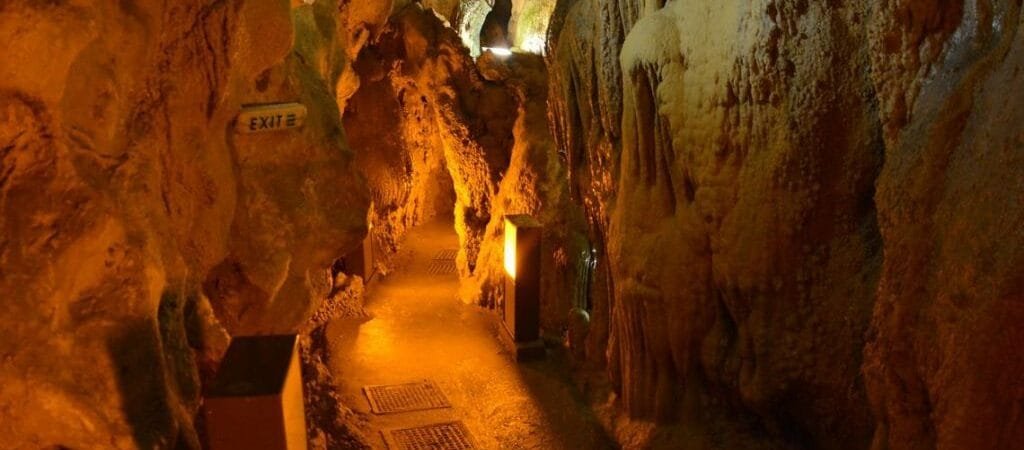
Introduction to the Cave of Agios Georgios
The Cave of Agios Georgios, a remarkable natural wonder, is situated at the foot of the Agios Georgios hill in Kilkis, Greece. This captivating site is not only a geological marvel but also holds significant archaeological and cultural value. Its location provides stunning views and is easily accessible, making it a popular destination for both locals and tourists.
The Cave of Agios Georgios is renowned as one of Greece’s most valuable caves due to its impressive size and the intricate networks of chambers and routes that have been explored. Covering a substantial area, the cave extends several meters beneath the surface and features remarkable geological formations such as stalactites and stalagmites. These formations have been created over thousands of years, reflecting the natural processes that formed the cave over time.
In terms of exploration, the cave is well documented, with various routes having been mapped out. Each route showcases unique aspects of the cave’s geology and ecosystem, providing insights into the biodiversity that thrives in this subterranean environment. Numerous species of cave-dwelling fauna can be found here, contributing to the ecological importance of this site. The exploration of these routes not only highlights the cave’s geological significance but also underscores its potential as a site for scientific research and education.
The Cave of Agios Georgios represents an enticing blend of natural beauty and historical significance, inviting visitors to experience its depths and discover the hidden treasures it contains. As interest in such unique natural sites grows, the cave stands out as a prime example of Greece’s rich geological heritage.
Geological Features and Formation
The Cave of Agios Georgios in Kilkis is a remarkable natural wonder that showcases a myriad of geological features, setting it apart from other caves in the region. One of the most noteworthy aspects of this cave is its unique two distinct floors, which create a diverse environment within its subterranean depths. Each level of the cave offers a different perspective on the formation processes and mineral deposits that have occurred over thousands of years.
Upon entering the cave, visitors are greeted by an array of impressive decorations composed mainly of coral material. This is a rare sight and adds to the cave’s allure, as the intricate patterns created by the coral lend a vibrant and almost ethereal quality to the surroundings. The color variations and textures formed by the coral create visual marvels that captivate geologists and tourists alike.
Moreover, the cave is adorned with spectacular formations of stalactites and stalagmites, which further enhance its beauty. These formations are formed by the slow deposition of minerals from dripping water, creating structures that can take thousands of years to develop. The stalactites, which hang from the cave’s ceiling, and the stalagmites, which rise from the cave floor, often grow towards each other, sometimes even meeting to form striking columns. The presence of both stalactites and stalagmites speaks to the cave’s dynamic geological activity and the ongoing processes of mineral precipitation.
Overall, the combination of coral decorations, the two distinct floors, and the captivating stalactite and stalagmite formations makes the Cave of Agios Georgios in Kilkis an exceptional study in natural geology. Enthusiasts and researchers continue to explore and document these geological features, contributing to a deeper understanding of the Earth’s subterranean wonders.
Palaeontological Significance
The Cave of Agios Georgios in Kilkis is renowned not only for its stunning geological formations but also for its significant palaeontological contributions. Within this cave, over 300 specimens of fossilized animal bones have been unearthed, revealing critical insights into the region’s prehistoric fauna. These findings date back to a substantial time frame, with fossils ranging from 10,000 to 100,000 years old, representing various species that once inhabited ancient ecosystems.
The fossilized remains found in the cave provide a valuable window into the ecological dynamics of the area during the Pleistocene epoch. The specimens include bones from mammals that roamed the landscape, including large herbivores and carnivores, which played pivotal roles in shaping the ecological balance of their time. The diversity of these fossils allows researchers to infer not only the types of species present but also their interactions and adaptations to the changing environment.
Understanding the palaeontological importance of the Cave of Agios Georgios extends beyond mere species identification. The age of the fossils offers insights into climate conditions, vegetation types, and other environmental factors that influenced life during the Pleistocene. This information is particularly vital for reconstructing ancient ecosystems, as it aids in drawing connections between climatic changes and species evolution.
Additionally, the presence of well-preserved fossil specimens can enhance our understanding of extinction events and biodiversity in the region. By studying these bones, scientists can better grasp the factors that contributed to the survival or demise of certain species, ultimately contributing to a broader understanding of biological history and the resilience of ecosystems.
In summary, the palaeontological significance of the Cave of Agios Georgios serves as an essential resource for scientists and historians alike, providing extensive data that helps to narrate the story of the Earth’s evolutionary past and the intricate tapestry of life that once existed in this now-quiet cave.
Visiting Agios Georgios Cave and Museum
The Agios Georgios Cave, located in Kilkis, is a site that attracts numerous visitors due to its captivating natural formations and rich geological history. Accessibility to the cave is facilitated by its strategic location, making it relatively easy for both local and international tourists to reach. The cave is situated just a short distance from the town center, allowing visitors convenient access to a variety of municipal refreshment facilities. These amenities are excellent for those who wish to take a break or enjoy a meal after exploring the cave.
For an enriched experience, visitors are encouraged to explore the nearby paleontology museum, which is located on the second floor of the adjacent refreshment room. This museum offers an intriguing glimpse into the natural history of the region, showcasing a variety of fossils and specimens that tell the story of the area’s prehistoric past. The exhibits are designed to engage visitors of all ages, providing informative displays about the local geology, paleontology, and the various creatures that once inhabited the area.
At the museum, guests can expect to learn about significant fossil discoveries in the Kilkis region, including details on extinct species that are significant to the area’s geological timeline. The museum prides itself on educating visitors about the importance of conservation and the ongoing research being conducted to preserve these invaluable natural resources. In summary, a visit to Agios Georgios Cave is not just a trip into an incredible natural wonder, but it also serves as an opportunity to deepen one’s understanding of the region’s rich geological and paleontological heritage. Plan your visit, and immerse yourself in the captivating history and beauty that this area has to offer.