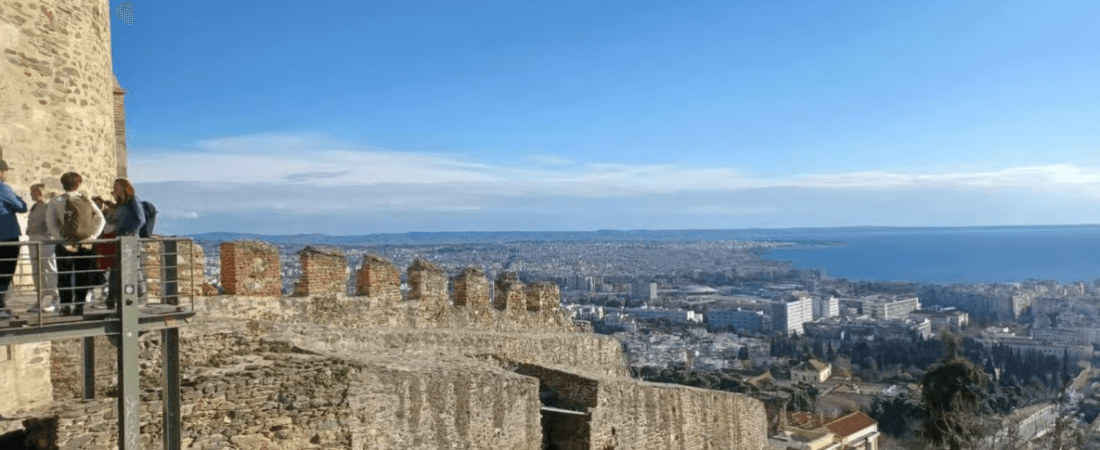
The Rich Tapestry of Thessaloniki’s History
Thessaloniki, a city with a rich and diverse history, serves as a microcosm of the various cultures that have influenced its development over the centuries. Founded in 315 BC, it became a significant metropolis in the Hellenistic period. Throughout its history, Thessaloniki has seen the rise and fall of various empires and civilizations, each leaving an indelible mark on the city’s cultural and social fabric.
During the Ottoman era, which lasted from the mid-15th century until the early 20th century, Thessaloniki emerged as a major center of trade and cultural exchange. The city’s population was remarkably diverse, comprising mainly Greek, Turkish, and Jewish communities. These groups coexisted, contributing to a vibrant urban life that was reflected in its architecture, cuisine, and daily practices.
Turkish influence can be seen in the city’s numerous mosques and public baths that dotted the landscape. Furthermore, Jewish merchants played a crucial role in commercial activities, establishing Thessaloniki as a vital hub for trade in the Mediterranean. Their cultural practices enriched the city, particularly during the height of Sephardic Jewish settlement following their expulsion from Spain in the late 15th century.
It is essential to recognize how these historical layers continue to shape Thessaloniki’s identity today. The interplay of these various cultures is a driving factor in the city’s unique atmosphere. Understanding the past enables residents and visitors alike to appreciate the complexity of its modern societal structure, which reflects the legacies of its multifaceted history, resulting in a dynamic blend of traditions that persist in contemporary Thessaloniki.
A Journey Through Ano Poli: Uncovering Ottoman Influence
Ano Poli, often referred to as the upper town of Thessaloniki, serves as a captivating reflection of the city’s diverse history, particularly its Ottoman past. This picturesque neighborhood, characterized by its narrow alleys, traditional houses, and stunning views of the city below, offers visitors a unique opportunity to immerse themselves in the remnants of a bygone era. As one strolls through the winding streets, the architectural styles reveal a fascinating blend of Byzantine, Ottoman, and even contemporary influences, illustrating the complexity of Thessaloniki’s cultural heritage.
Among the most notable features of Ano Poli are the distinctive Ottoman-style buildings, which often include intricate wooden balconies and large, arched windows. These elements not only showcase the artistic expression of the period but also serve as a testament to the quality of craftsmanship that defined the era. As visitors navigate through the town, they are likely to encounter various mosques, fountains, and other remnants of Ottoman architecture, each narrating its own story within the larger historical context.
The influence of the Ottoman Empire extends beyond the physical structures; it permeates the local culture and daily life in Ano Poli. The neighborhood is known for its vibrant atmosphere, enriched by traditional music, culinary delights, and local festivals that echo the Anatolian heritage. Residents often engage in time-honored practices that trace back to their ancestors, thus preserving the essence of their Ottoman roots. As visitors explore the area, they may also notice the warmth and hospitality of the locals, further enhancing the experience of embracing the rich tapestry of influences that have shaped Thessaloniki.
In conclusion, Ano Poli serves as a profound representation of the Ottoman era’s impact on Thessaloniki. By exploring this upper town, visitors not only appreciate its aesthetic beauty but also gain insight into the cultural dynamics that continue to influence the region today. Thus, Ano Poli stands not merely as a destination, but as a significant historical narrative waiting to be uncovered by those willing to venture through its streets.
Cultural Symbiosis: The Mosaic of Thessaloniki
Thessaloniki, a city steeped in history, stands as a testament to the intricate tapestry woven by various ethnic groups over centuries. The interactions among the Turks, Jews, and Greeks have profoundly influenced the city’s cultural landscape, creating a vibrant mosaic that is uniquely Thessaloniki. This cultural symbiosis is reflected not only in the architecture and urban layout but also in the everyday practices that define the city’s identity.
The Greek community, one of the city’s foundational pillars, has maintained its traditions while allowing others to flourish. The culinary arts in Thessaloniki present a prime example of this harmonious blending. Traditional Greek dishes often coexist with Jewish delicacies, showcasing the shared histories that have enriched local cuisine. For instance, the popular baklava has variants that reveal the influence of both Turkish and Jewish culinary practices, illustrating how food serves as a medium for cultural exchange.
Furthermore, the diverse religious festivals celebrated within the city highlight the unique interactions between these groups. Events such as the Jewish New Year and Greek Orthodox Easter coexist, often bringing together individuals from different backgrounds to celebrate in a spirit of unity. These festivals not only serve to reinforce community ties but also promote understanding and appreciation among the city’s varied populations.
The coexistence of these ethnic groups has also fostered a rich artistic scene in Thessaloniki, where influences from various traditions converge. Music, dance, and visual arts reflect this blending of cultures, offering both residents and visitors a glimpse into the city’s dynamic heritage. The cultural events hosted throughout the year often showcase this diversity, inviting participants from all backgrounds to take part in the celebration of Thessaloniki’s past and present.
In conclusion, Thessaloniki’s status as a cultural mosaic stems from its historical interactions between Turks, Jews, and Greeks. This symbiosis has resulted in a unique environment where diverse traditions coexist and enrich daily life, making the city a fascinating case study in urban diversity.
The Everyday Life and Modern Attractions of Thessaloniki
Thessaloniki, a city rich in history, is equally vibrant in its contemporary life, showcasing a unique blend of tradition and modernity. The everyday existence of its residents reflects a lifestyle that harmoniously balances cultural heritage with modern trends. Local traditions, social habits, and the warm spirit of the people unite to create an inviting environment for both locals and visitors alike.
Taking a stroll through the streets of Thessaloniki, one can encounter an array of local traditions. The city hosts numerous festivals throughout the year, which celebrate its diverse cultural heritage. These festivals provide deeper insights into the lives of Thessalonians, where music, dance, and local cuisine take the lead. Visitors are often encouraged to participate, making for an immersive experience that leaves lasting memories.
Social habits in Thessaloniki contribute to its vibrant atmosphere. Cafés and tavernas are social hubs where friends and families gather to enjoy time together over a cup of Greek coffee or a plate of meze. This communal approach to dining and leisure showcases the importance of relationship-building among residents. The café culture is particularly captivating, with establishments often filled with laughter and conversation, warmly welcoming anyone looking to experience a slice of local life.
For visitors seeking quintessential experiences, certain attractions must not be missed. The waterfront promenade, especially during sunset, provides breathtaking views perfect for photography enthusiasts. Capturing the sun setting over the Aegean Sea is an unforgettable sight. Furthermore, personalized tours are available for those who want to delve deeper into the city’s nuances. Tourists can participate in coffee-making sessions, learning one of Greece’s cherished traditions and experiencing firsthand how it shapes daily interactions.
In conclusion, Thessaloniki offers a fascinating tapestry of modern attractions and everyday life, where historical roots blend seamlessly with a contemporary essence, making it an ideal destination for all exploring the city today.