An Introduction to Thessaloniki’s Culinary Landscape
Thessaloniki, renowned as Greece’s second-largest city, possesses a rich and diverse culinary history that is a testament to its multicultural heritage. Over the centuries, Thessaloniki has been influenced by a variety of civilizations, including the Byzantine, Ottoman, and Jewish, each contributing unique flavors and cooking techniques to the local gastronomy. This blend of cultures has resulted in a vibrant food scene that reflects the city’s rich past and dynamic cultural exchanges.
The city’s strategic position as a port and trade hub facilitated the introduction of various spices, ingredients, and culinary practices from around the world. Consequently, Thessaloniki’s cuisine has evolved into a unique gastronomic identity that marries traditional Greek dishes with elements from Mediterranean and Middle Eastern cuisines. Food is not only a key aspect of life in Thessaloniki but also serves as a bridge connecting people and cultures through shared meals and dining experiences.
A few hallmark dishes exemplify this multicultural tapestry. The famous “bougatsa,” a pastry filled with cream or cheese, showcases influences from the Ottoman-era cuisine. Simultaneously, dishes like “gyros” and “souvlaki” highlight traditional Greek fare, albeit with local twists developed through the years. Additionally, seafood occupies a significant place in Thessaloniki’s culinary repertoire, reflecting the city’s geographical proximity to the sea.
Moreover, the city’s vibrant markets and food stalls present an eclectic mix of local and international tastes, inviting both locals and visitors to explore the culinary treasures that Thessaloniki has to offer. The rich culinary landscape not only reflects the ingredients and methods used in preparing dishes but is also a reflection of the communal and familial ties that pervade the culture. These gatherings often showcase a wide variety of foods, illustrating the city’s commitment to preserving and celebrating its diverse heritage.
Iconic Local Dishes You Must Taste
Thessaloniki, a vibrant city in Northern Greece, boasts a rich culinary heritage that is beautifully illustrated through its iconic local dishes. Among these culinary treasures, koulouri and bougatsa stand out as quintessential items that encapsulate the essence of Thessaloniki’s gastronomic culture. Koulouri, a sesame-crusted bread ring, is not only a popular street food but also a cherished breakfast item enjoyed by locals. Its origins can be traced back to the traditions of the Byzantine era, and today, it is often paired with a cup of coffee. The unique texture and flavor of koulouri, enhanced by the nutty aroma of sesame seeds, make it a must-try for any visitor.
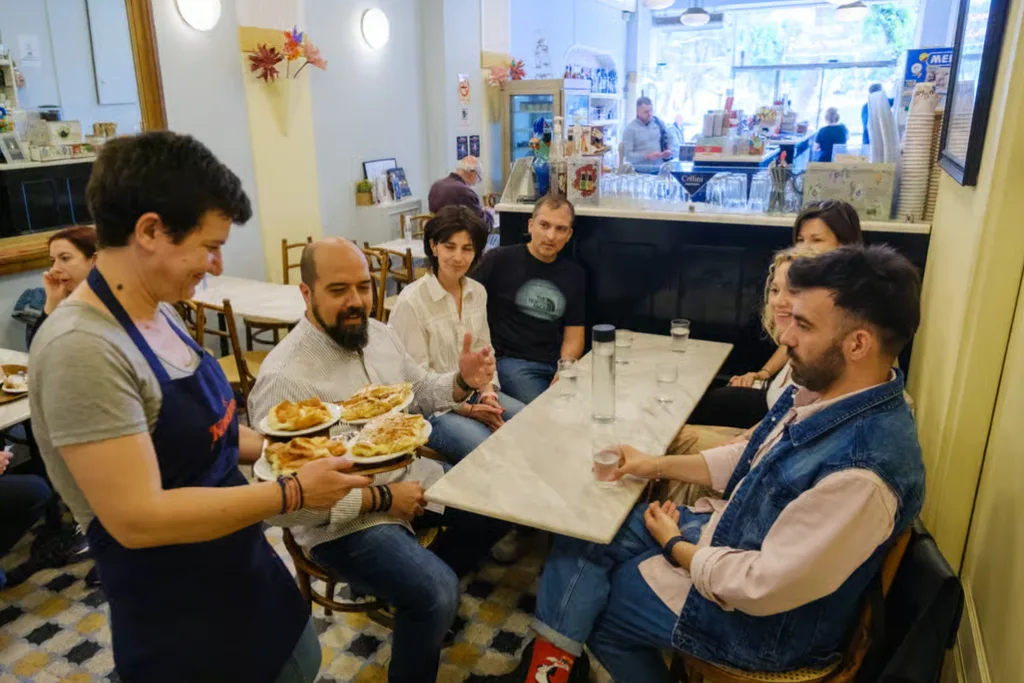
Bougatsa, on the other hand, is a delectable pastry filled with creamy custard, minced meat, or spinach and feta, representing the diverse palate of Thessaloniki. The preparation involves layering thin sheets of phyllo pastry with filling and baking until golden brown, resulting in a flaky and satisfying dish. This pastry has deep roots in the region, often enjoyed as a breakfast item or snack throughout the day. Each bite reveals the layered complexity of flavors, contributing to its status as a beloved local delicacy.
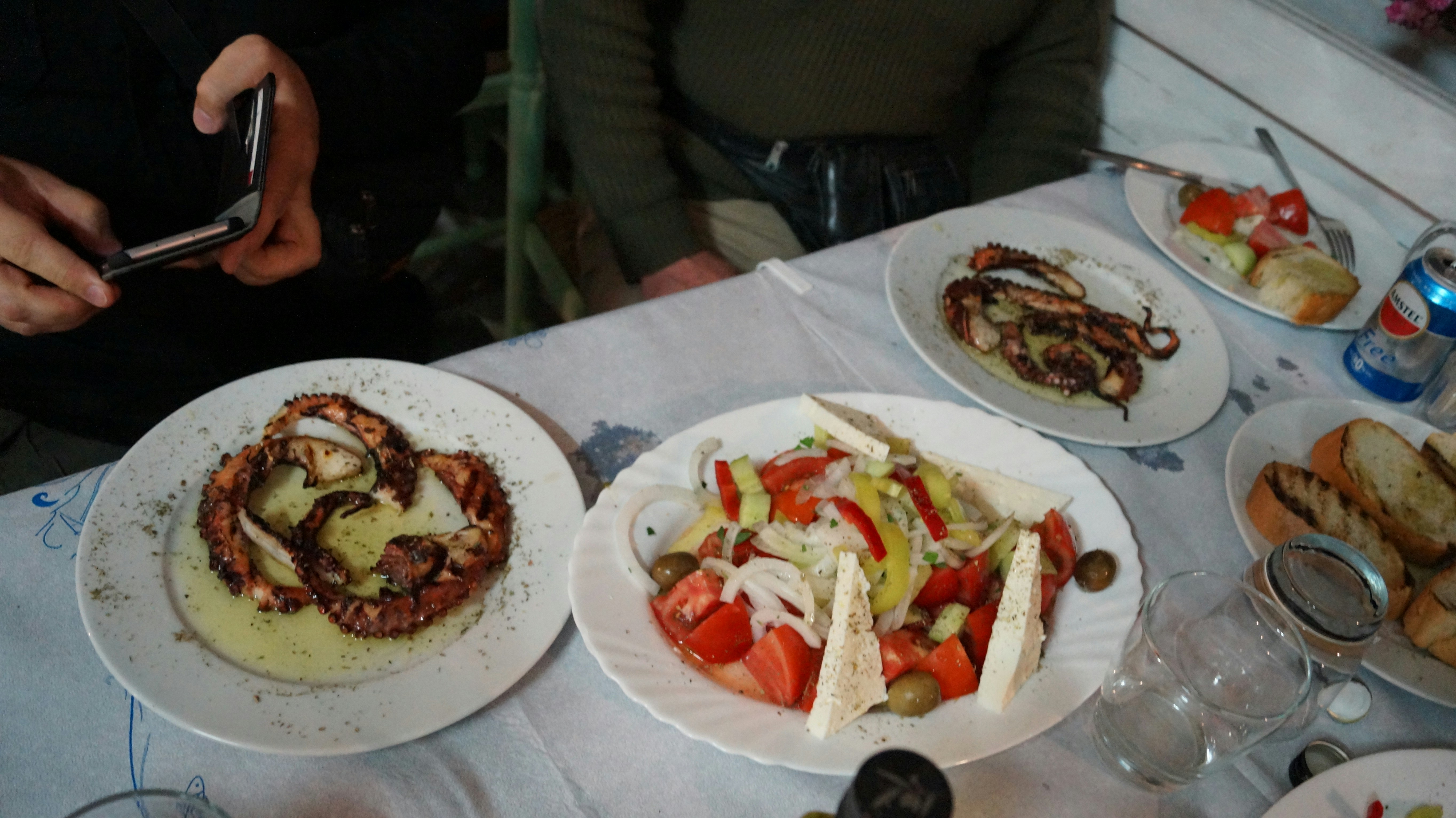
Moreover, the city’s culinary offerings extend beyond these two iconic dishes. Fresh seafood, sourced from the nearby Aegean Sea, is abundant in local markets and restaurants. The succulent taste of grilled fish, octopus, and marinated anchovies showcases the region’s maritime influence. Seasonal fruits, such as figs, cherries, and pomegranates, are also integral to Thessaloniki’s cuisine, often appearing in desserts or as refreshing snacks. These ingredients not only highlight the vibrant flavors of the locale but also reflect the agricultural richness of the region. Exploring Thessaloniki’s culinary scene provides an insight into the harmonious blend of flavors and traditions that define this remarkable city.
A Journey through Food Markets and Local Eateries
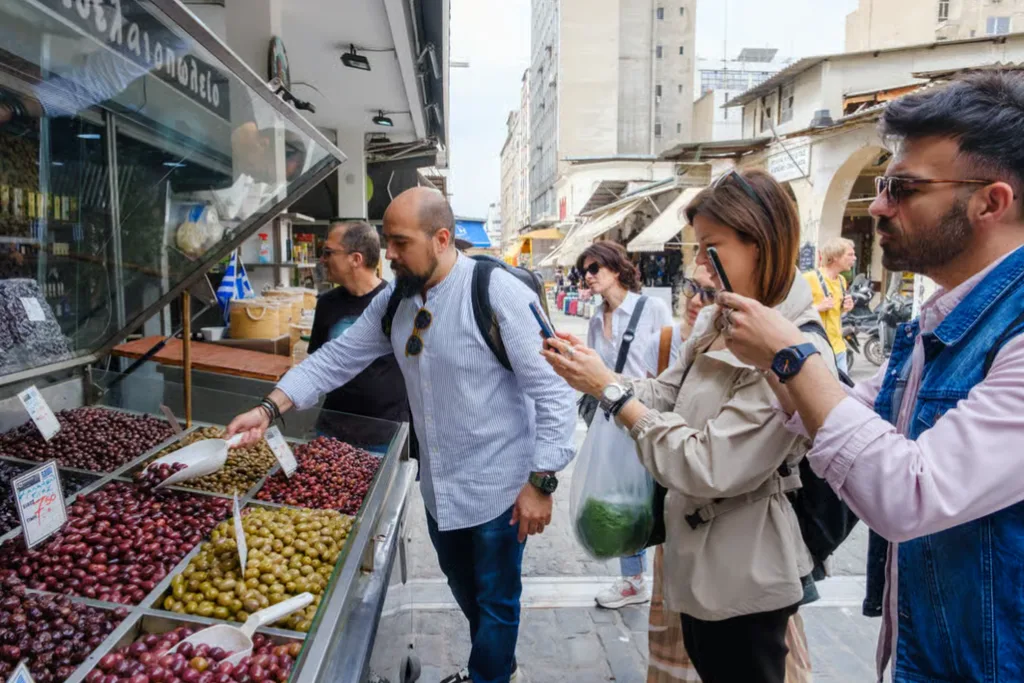
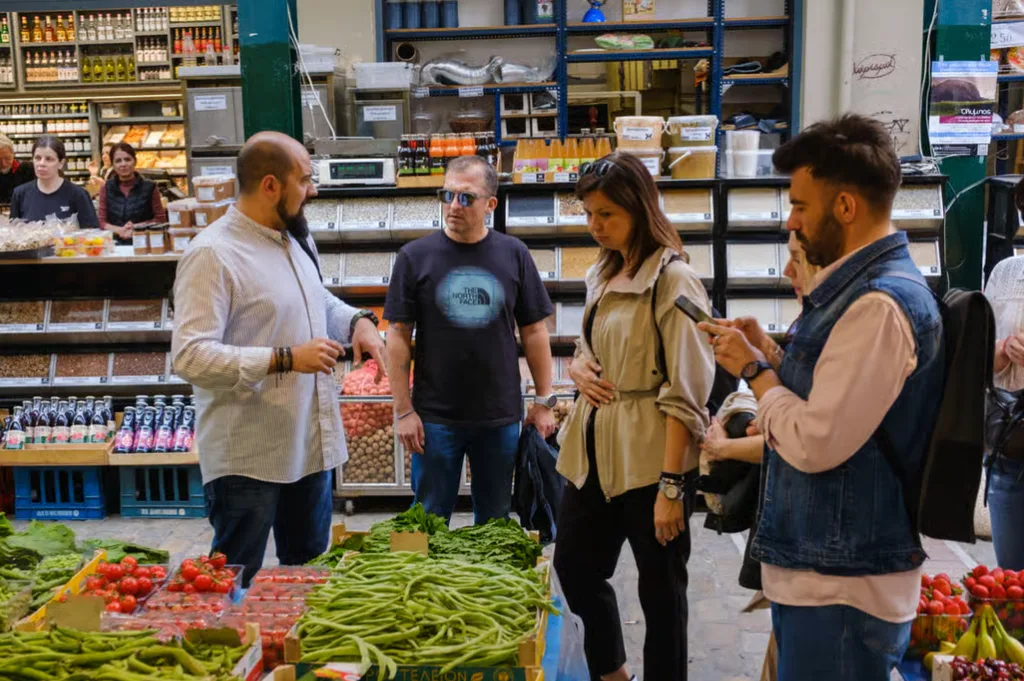
Thessaloniki is a city bursting with culinary diversity, and its food markets and local eateries showcase this vibrant gastronomic culture. Visitors can immerse themselves in the sensory experiences offered by bustling markets, where the sights, sounds, and aromas create a lively atmosphere that is hard to resist. Strolling through these spaces, one can encounter a plethora of fresh produce, aromatic spices, and enticing delicacies that reflect the region’s rich culinary heritage.
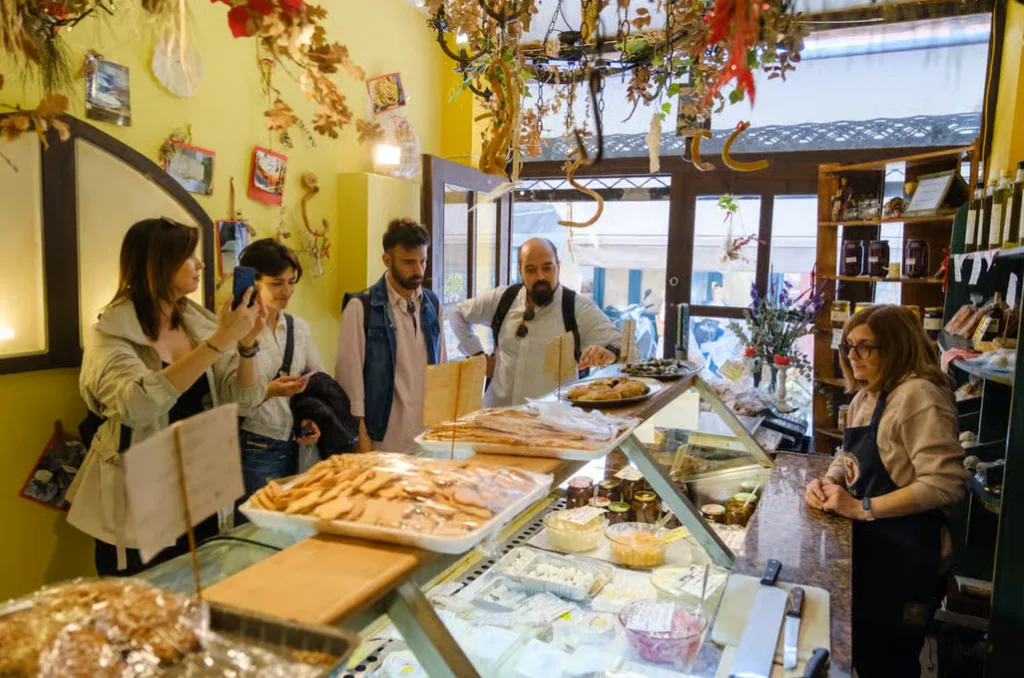
The local markets serve not only as a place of commerce but also as a cultural hub where locals gather. The colorful stalls are often manned by friendly vendors eager to share their knowledge about the ingredients they sell. Interaction with these local artisans adds a personal touch to the shopping experience, allowing visitors to learn about traditional recipes and cooking techniques that have been passed down through generations. As patrons sample daily-caught seafood or freshly baked breads, they embark on a culinary adventure filled with fascinating flavors and textures.
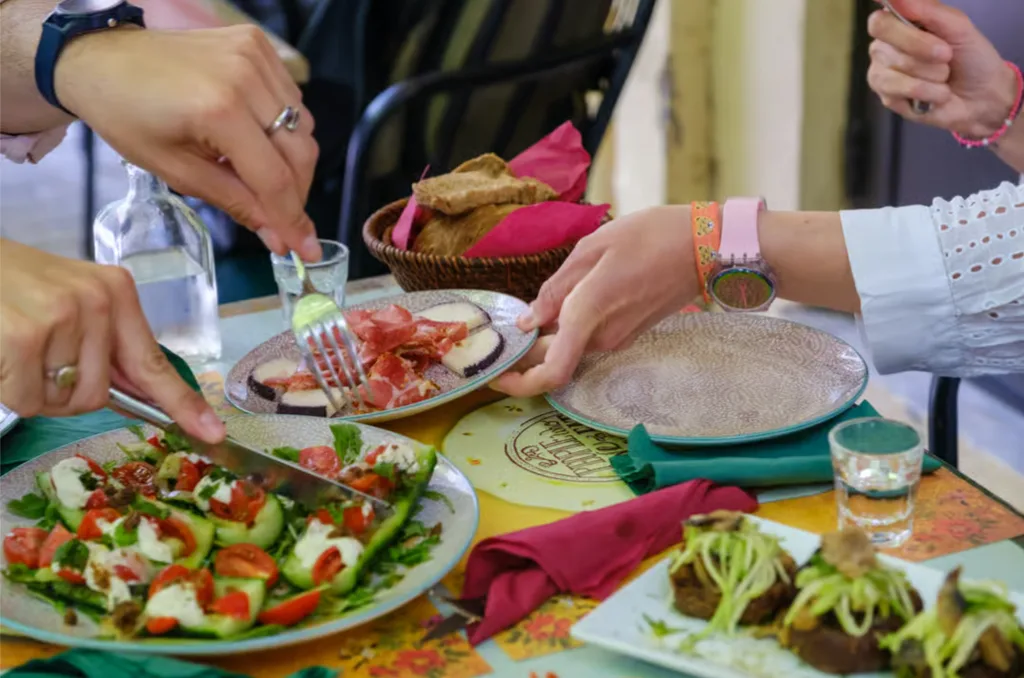
Additionally, the charm of Thessaloniki’s eateries lies in their unique ambiance and the authenticity of the food served. Many of these establishments prioritize local ingredients, often sourced directly from nearby markets. This farm-to-table approach ensures that dishes are not only fresh but also reflective of the seasonal offerings of the area. Whether it’s enjoying a simple meal of grilled octopus while overlooking the sea or indulging in a rich moussaka at a small tavern, guests have the opportunity to savor the true essence of Greek cuisine.
Ultimately, the culinary journey through the food markets and local eateries of Thessaloniki is about more than just tasting food; it’s an invitation to connect with the community and experience the vibrant traditions that shape the city’s unique food identity.
The Experience of a Gastronomic Walking Tour
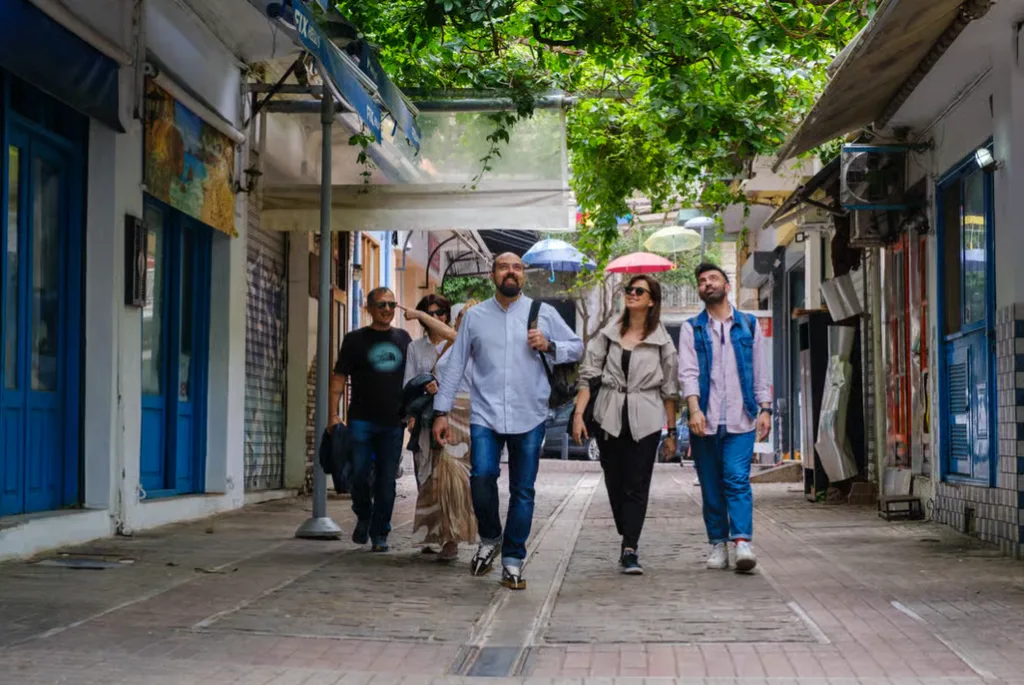
Participating in a guided walking tour led by chef Panos offers an unforgettable journey through the culinary landscape of Thessaloniki. This unique experience not only highlights the city’s vibrant food culture but also connects participants to its rich gastronomic history. Chef Panos, known for his deep knowledge and passion for local cuisine, shares insights about traditional recipes, ingredients, and the stories behind them, allowing guests to appreciate the cultural significance of every bite.
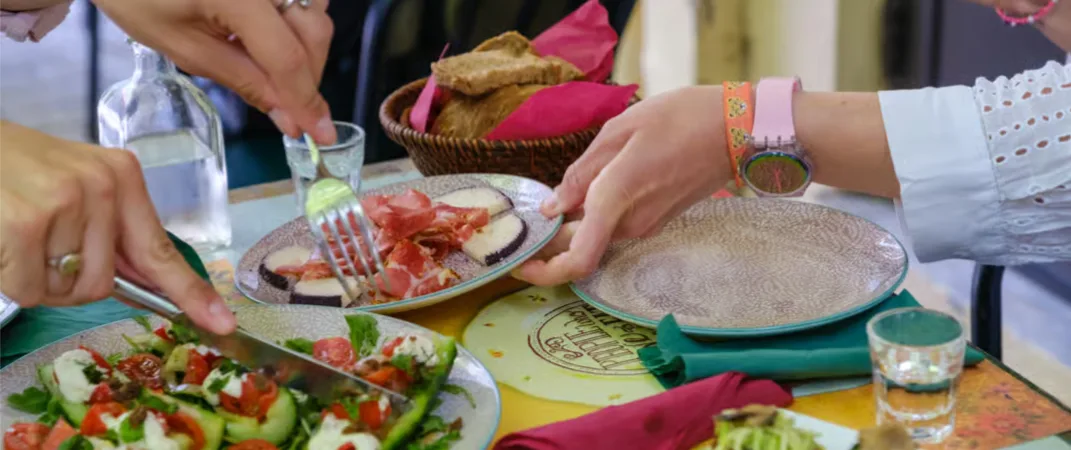
As the group wanders through the bustling streets, each stop presents an opportunity to taste an array of local delicacies. From savory pastries to sweet treats, the walking tour encapsulates the essence of Thessaloniki’s diverse culinary offerings. Chef Panos often recounts anecdotes from his childhood and discusses how the flavors of his upbringing have shaped his culinary philosophy. Such personal narratives create a warm atmosphere, fostering a connection among participants and between them and the local culture.
The emotional connection cultivated during these tours is undoubtedly one of the highlights. Guests find themselves not just tasting food but also experiencing the joy and nostalgia that comes with each dish. The communal aspect of the tour reinforces a sense of belonging to the city, making strangers feel like friends united by a shared love of food. Therefore, the gastronomic walking tour is more than a culinary exploration; it is a celebration of heritage and community.
In conclusion, engaging in a culinary walking tour with Chef Panos transforms a typical visit into a profound experience. It invites participants to immerse themselves in the flavors and stories of Thessaloniki, allowing them to leave with not just memories of food but also an emotional connection to the city’s rich culinary narrative.