Introduction to Ancient Pella
Ancient Pella, located in the northern region of Greece, serves as a profound testament to the glory of the Macedonian state during its pinnacle in the 5th to early 4th century BC. Established as the capital of Macedon, Pella was not only a political hub but also a cultural crucible where arts, philosophies, and innovations flourished. It was here that significant historical events unfolded, shaping the future of Macedonia and, subsequently, much of the ancient world.
During this era, Pella emerged as a critical center for the Macedonian monarchy, notably under the reign of King Philip II. The city was strategically chosen for its location, offering both security and access to vital trade routes. As the home of prominent figures, including the famed conqueror Alexander the Great, Pella’s influence extended far beyond its geographical boundaries. The archaeological remnants found in Pella reveal a bustling metropolis, reflecting the architectural styles and urban planning typical of a significant capital city in antiquity.
Archaeological excavations have unveiled remarkable artifacts, residential quarters, and public spaces that provide valuable insights into the daily lives of Pella’s inhabitants and their governance systems. The city’s thoroughfares, adorned with intricate mosaics, and monumental structures underscore its importance as a thriving center of political power and cultural exchange in the ancient world. These discoveries illustrate how Pella not only served as an administrative capital but also as a melting pot of ideas and influences, pivotal in the development of the Macedonian state.
As we explore the layers of history embedded in Ancient Pella, it becomes clear that this city was central to understanding the dynamics of Macedon during a transformative period in history. The remarkable finds in this archaeological site continue to captivate historians and archaeologists alike, illuminating the narrative of one of antiquity’s most significant civilizations.
The Archaeological Site of Pella
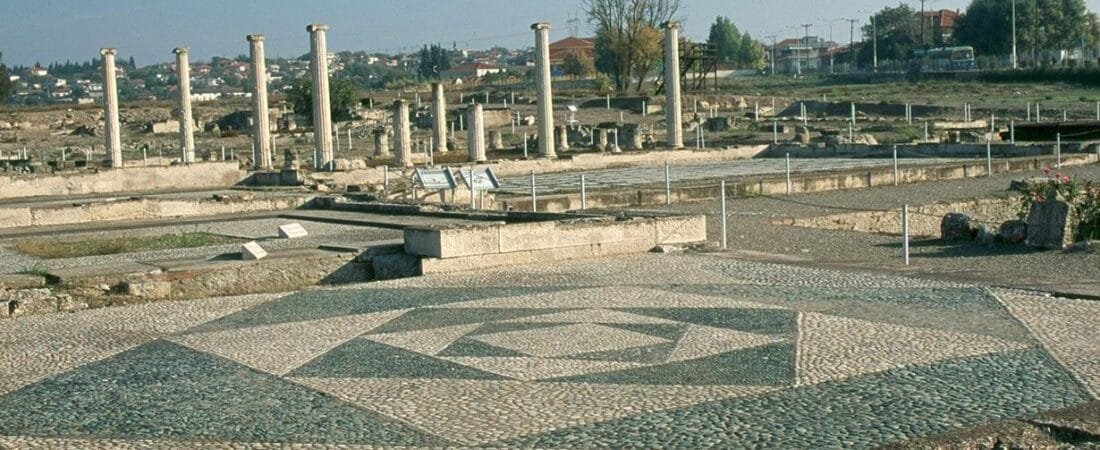
The archaeological site of Pella stands as a significant testament to the grandeur of the ancient Macedonian state. Once the capital of Macedon, this site offers an intriguing glimpse into its residential areas, marketplaces, temples, and the royal palace. The layout of Pella reflects a highly organized urban planning system that showcases the sophistication of ancient Macedonian society.
The residential areas of Pella reveal a wealth of knowledge about the daily lives of its inhabitants. Characterized by their intricate design and spacious courtyards, these homes often feature rooms intended for both domestic and communal activities, illustrating a functional yet harmonious living environment. Additionally, the existence of public spaces underscores a well-structured city that facilitated social interaction.
The marketplace, essential to the economic life of Pella, was a vibrant hub where commerce flourished. This area enabled different trades and exchanges, playing a crucial role in the economic dynamics of the city. The archaeological discoveries noted at the site include various artifacts that paint a vivid picture of the commercial activities that took place here, contributing to our understanding of Macedonian trade practices.
Pella is also renowned for its temples, which served as focal points of religious life in ancient Macedonia. These sacred structures played an essential role in the community, hosting a series of rituals and public ceremonies. The temples often feature intricate architectural elements, including columns and pediments, which reflect both the aesthetic values and religious devotion of the Macedonian people.
Of particular note within Pella are the magnificent mosaic floors that adorn several public and private structures. These vibrant mosaics not only enhance the visual appeal of the site but also depict a variety of themes, including mythological and everyday scenes. The intricate artistry involved in their creation highlights the advanced artistic technologies used during this period, revealing much about the cultural and social values that defined ancient Macedon.
In summary, the archaeological site of Pella encapsulates the essence of Macedonian heritage, showcasing its remarkable urban structure, vibrant marketplaces, and spiritually significant temples. The exquisite mosaic floors stand as a testament to the artistry and cultural richness of its inhabitants, providing valuable insights into the life and society of this ancient civilization.
Mosaics of Pella: Stories in Stone
The ancient city of Pella, once the vibrant heart of the Macedonian state, stands out for its remarkable archaeological significance, particularly through its stunning mosaics. As excavations have uncovered the remnants of residential homes, these intricate mosaic floors reveal a wealth of information about the social and cultural life in Pella during its peak. The vibrant imagery represented in these mosaics tells stories that intertwine mythology, art, and daily life.
Among the themes depicted, the representation of Dionysus, the god of wine and revelry, stands out prominently. This imagery not only highlights the cultural importance of Dionysian festivals in ancient Macedonia but also signifies the integration of myth into the everyday lives of its citizens. The mosaics often showcase Bacchic scenes, which symbolize joy and the community’s connection to nature and fertility through vivid portrayals of grapevines and playful nymphs.
Another popular motif is the deer hunt, a theme deeply rooted in the martial and heroic culture of the Macedonians. This image not only signifies the prowess of the hunt but also serves as a metaphor for the virtues of bravery and skill, essential traits for the warriors of the time. Through these detailed representations, the mosaics encapsulate the thrill of the hunt while simultaneously reflecting the values held dear by the Macedonian society.
Furthermore, the amazonomachy, the battle between Greeks and Amazons, represents not only an important mythological theme but also reinforces the ideals of masculinity and heroism prevalent in that era. The artistic mastery displayed in these mosaics, characterized by the intricate detailing and the dynamic poses of figures, speaks volumes about the advanced techniques employed by ancient artisans.
In essence, the mosaics of Pella do more than embellish the floors of residences; they serve as a rich narrative tapestry that offers insights into the complex interplay of mythology, culture, and artistry in the historic fabric of Macedonian life.
The Market of Pella: A Hub of Activity
The ancient market of Pella served as a vital center of commerce and trade within the Macedonian state. Located strategically within the city, it facilitated the exchange of goods not only for local residents but also for visitors from surrounding regions. This bustling hub was instrumental in fostering economic prosperity as well as enhancing social interaction among the city’s inhabitants.
Merchants and traders of various backgrounds gathered in Pella’s market, bringing with them a diverse array of products. Common goods included pottery, textiles, and agricultural produce, with some traders specializing in luxury items such as jewelry and fine goods imported from far-off lands. The market not only provided a venue for the sale of these goods but also reflected the rich cultural tapestry of the city, showcasing influences from different parts of the Hellenistic world.
The economic impact of the market extended beyond mere transactions. It served as a vibrant meeting place where people could engage in conversation, exchange ideas, and establish social connections. From local farmers selling their produce to skilled artisans showcasing their craftsmanship, the market contributed significantly to Pella’s community life. Festivals and public gatherings often took place in this dynamic environment, further solidifying its role as a central point for civic engagement.
As Pella evolved, so did its market, adapting to the changing needs of its people. The incorporation of various trade routes and the interaction with other cultures enriched the marketplace experience, making it a focal point of trade and cultural exchange. This bustling center exemplified the thriving economic conditions of ancient Pella, illustrating how the marketplace was essential to both the city’s productivity and the daily lives of its citizens.
Religious Significance: Temples of Pella
The archaeological site of Pella, which served as the capital of ancient Macedonia, is not only significant for its political history but also for its rich religious practices and architectural landmarks. Several temples and shrines uncovered at the site offer insights into the spiritual life of the Macedonians and the deities they revered. Among the most notable structures is the Temple of Ammon Zeus, which is indicative of a syncretism between Greek and local religious practices. This temple, like others in the site, has been designed with grandeur, utilizing local stone and intricate artistry, showcasing the importance of religious worship in the daily lives of the citizens.
The worship practices in Pella were closely tied to the agricultural calendar, with many rituals aimed at ensuring favorable weather and bountiful harvests. Deities such as Demeter, the goddess of grain and agriculture, were particularly venerated, reflecting the agrarian roots of the Macedonian society. Additionally, shrines dedicated to other gods, including Poseidon and Artemis, reveal a pantheon that is both diverse and influential, catering to the spiritual needs of a populace that valued the blend of cultural beliefs.
The architectural features of the temples are key in understanding the religious importance of Pella. The layout, column styles, and decorative elements reflect not only artistic achievement but also the community’s values and beliefs. The use of open-air sanctuaries, which facilitated communal worship and offerings, underscores the role of religion in forging social bonds among the people. Temples in Pella manifested a space where spirituality intertwined with everyday life, marking the city as a focal point of ancient Macedonian religious identity.
The Royal Palace: Center of Power
The Royal Palace of Pella stands as a testament to the wealth and architectural sophistication of the ancient Macedonian state. It served as the epicenter of power during the reign of the Macedonian kings, reflecting not only their political authority but also their cultural aspirations. Constructed in the 4th century BCE, the palace was designed to project an image of opulence, showcasing the sophistication of Macedonian architecture and artistry.
The architectural style of the palace is notable for its complex layout and luxurious materials. Archaeological findings have revealed intricate mosaics, grand columns, and spacious courtyards that exemplify the high artistic standards of the time. Each room within the palace was meticulously designed, with some serving specific political functions, such as meeting halls for the king and his advisors, while others served as luxurious living quarters. This layout illustrates the dual role of the palace as both a place of governance and a symbol of royal prestige.
In addition to its physical attributes, the Royal Palace was integral to the political life of Pella. It was here that significant decisions affecting the Macedonian state were made, and alliances were forged. The palace acted as a backdrop for important ceremonies and events that marked the king’s authority and reinforced his status among nobles and the population alike. The wealth displayed in the palace further enhanced the image of kings like Philip II and Alexander the Great, enabling them to consolidate power and maintain control over a vast empire.
Moreover, the palatial complex served as a reflection of the interconnectedness between the royal family and the citizens of Pella, fostering a sense of identity and loyalty within the Macedonian state. This enduring legacy of the Royal Palace of Pella continues to inspire fascination among historians and archaeologists, underscoring its role as a formidable center of power in ancient times.
The Museum of Pella: A Treasure Trove of History
The Museum of Pella stands as a significant repository of the rich history that once flourished in ancient Macedonia. This museum is a must-visit for anyone interested in the archaeological treasures unearthed at Pella, which includes fascinating artifacts from markets, private residences, and burial sites, providing a comprehensive understanding of daily life in this vital ancient city.
One of the standout collections in the museum showcases an array of findings from the local markets, including pottery and tools that reveal the economic activities that were prevalent during ancient times. These artifacts not only demonstrate the advanced craftsmanship of the period but also reflect the trade dynamics and cultural exchanges that characterized the region.
Furthermore, the collections from private houses provide a glimpse into the domestic lives of the ancient Macedonians. Items such as oil lamps, household utensils, and personal jewelry painted a vivid portrait of everyday activities and social customs. Each artifact contributes to a deeper understanding of the societal structure and the cultural significance of these objects in the lives of their owners.
The museum is also home to significant archaeological finds from cemeteries, which include intricately decorated burial artifacts and grave goods that shed light on the beliefs and rituals of the ancient Macedonians regarding death and the afterlife. Among these treasures, the marble head of Alexander the Great is a remarkable exhibit that draws attention due to its artistic value and historical significance. This sculpture is not only an iconic representation of one of history’s greatest figures but also a testament to the cultural heritage of ancient Pella.
Each exhibit within the Museum of Pella is carefully curated to narrate the story of an ancient civilization that laid the foundation of modern Macedonia, making it an essential destination for both historians and casual visitors alike.
Chronological Journey: From Neolithic to Roman Times
Pella, the ancient capital of Macedon, showcases a fascinating historical timeline that reflects its evolution from small Neolithic settlements to a prominent city during the Roman period. The earliest signs of human habitation in the area date back to the Neolithic era, around 6000 BC, when early communities engaged in agriculture and animal husbandry. Archaeological findings indicate the presence of semi-permanent dwellings and storage facilities, highlighting the agricultural advancements of these early settlers.
As time progressed, the Bronze Age saw the emergence of more complex social structures in the region. The discovery of tools and ceramics suggests that by 2000 BC, Pella was becoming an essential center for trade and interaction among neighboring cultures. The transition into the Iron Age marked a pivotal change as the establishment of fortified settlements began to appear, signifying a growing emphasis on defense and the need to protect agricultural resources.
The turning point in Pella’s history occurred in the 4th century BC when King Philip II of Macedon selected it as the new capital, marking the city’s ascent to political prominence. Under his rule, Pella underwent significant urban development, characterized by the construction of grand palaces, temples, and a sophisticated grid layout which reflected Hellenistic urban planning. This period heralded a transformation in art and culture, including the introduction of intricate mosaics that have since become synonymous with Macedonian craftsmanship.
During the subsequent centuries, particularly under the influence of Alexander the Great, Pella flourished as a cultural hub that attracted scholars, artists, and merchants from across the Hellenistic world. However, the city faced challenges with the rise of the Roman Empire. By the 2nd century BC, Pella transitioned under Roman rule, leading to further architectural and infrastructural advancements, including the construction of elaborate public buildings that showcased Rome’s architectural prowess.
Conclusion: The Legacy of Pella
Pella stands not only as a significant archaeological site but also as the epitome of Macedonian heritage, reflecting the grandeur of an ancient civilization that once dominated the Mediterranean world. The city’s strategic location and urban planning showcase the ingenuity of Macedonian architects and planners, revealing insights into their social, political, and economic structures. Archaeological excavations have uncovered a wealth of artifacts, including intricate mosaics, pottery, and statues, which illustrate the artistic and cultural aspirations of the Macedonians as well as their interactions with neighboring cultures.
Through the unearthing of various public buildings, including the grand palaces and the agora, researchers have uncovered the foundations of a society that valued art, philosophy, and governance. The sites of worship, which include various temples dedicated to their deities, further illuminate the spiritual life of the ancient Macedonians, showcasing a complex belief system that influenced daily life and state affairs. These findings do not merely suggest a city of power but rather a vibrant cultural hub where politics and artistry intertwined.
Pella’s contributions to our understanding of ancient civilizations extend beyond its physical remnants. They serve as a bridge connecting modern society with past human experiences, showcasing the continuum of cultural evolution. Moreover, the exploration of Pella underlines the importance of archaeological heritage in preserving historical narratives, thus inviting scholars and enthusiasts alike to reflect on the complexities of ancient life. By studying Pella, we do not just learn about the Macedonian state; we gain insights into the broader strokes of human history and the enduring legacy of ancient civilizations that still influence contemporary society.