Thessaloniki stands as a monumental testament to the passage of time, encapsulating a myriad of historical narratives that trace back to its founding in 315 BC. Originally established by Cassander, the city was designed to be a hub of trade and cultural exchange, positioning it as a significant player in the Macedonian realm. Its strategic location on the Thermaic Gulf allowed Thessaloniki to flourish during the Hellenistic period, benefiting from its association with the broader cultural movements of the time.
With the rise of the Roman Empire, Thessaloniki further evolved, becoming the second most important city after Rome. Remarkably, the remnants from this era, such as the Roman forum and the Arch of Galerius, still dot the urban landscape, illustrating the city’s architectural shift during imperial dominance. These structures exemplify a blend of functionality and grandeur that characterized Roman engineering, influencing subsequent architectural styles in the region.
The influence of the Byzantine Empire profoundly shaped the city’s identity beginning in the 4th century AD. As the capital of the Byzantine Empire’s Thessalonica province, it became a vibrant center for Christianity, resulting in a wealth of ecclesiastical architecture. Magnificent churches like Hagios Demetrios and Hagia Sophia pay homage to this rich theological heritage, while their designs reflect quintessential Byzantine aesthetics.
As history continued to unfold, the Ottoman Empire left an indelible mark on Thessaloniki, transforming it into a multicultural hub. The introduction of mosques, hamams, and bazaars introduced new social dynamics and architectural elements that contribute to the city’s multifaceted identity. This historical layering has turned Thessaloniki into an open-air museum, where each era is visible in its dynamic urban fabric, creating a vibrant tapestry that narrates the evolution of culture, architecture, and urban planning.
The Significance of the Forum
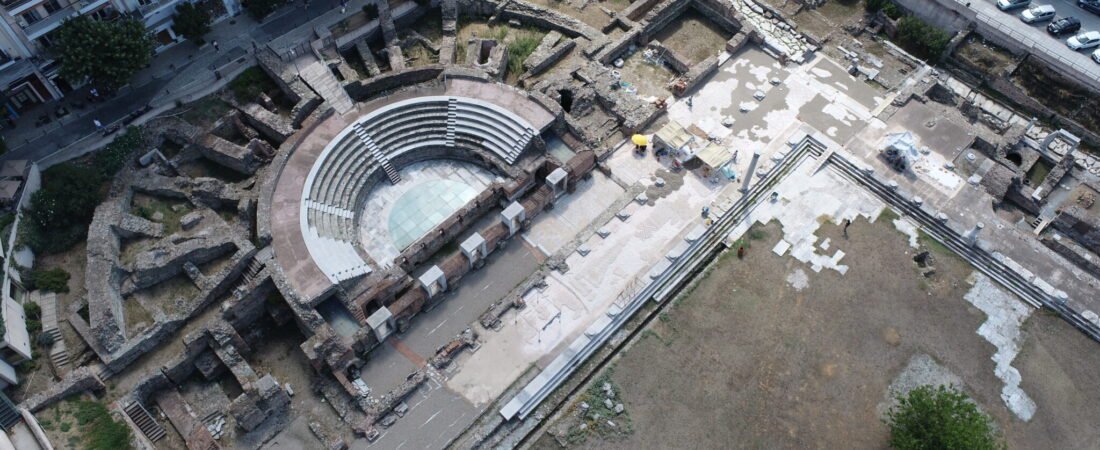
The Forum of Thessaloniki stands as a vital landmark of Roman life, reflecting the city’s historical significance during the Roman Empire. Located strategically in the heart of ancient Thessaloniki, the Forum served as a public gathering place and the center for civic, commercial, and social activities. Its design, which included public buildings, temples, and open spaces, illustrates the architectural and urban planning achievements of the Romans.
The archaeological exploration of the Forum began in 1966, a pivotal year that marked the discovery of this significant site. Prior to the excavation, the Forum was at risk of destruction due to urban development plans, which threatened to overshadow its historical value. Fortunately, the dedicated efforts of archaeologists uncovered a wealth of information that revealed much about daily life in ancient Thessaloniki. The findings include remnants of structures, artifacts, and inscriptions that provide a glimpse into the social, economic, and political activities that occurred in this vibrant space.
Through these excavations, scholars have been able to piece together the intricate tapestry of Roman life in Thessaloniki. The Forum not only served as a commercial hub but also as a platform for political discourse and community gatherings. The presence of temples within the Forum indicates a spiritually significant aspect of public life, highlighting the connection between religion and civic matters. The findings have thus led to a greater understanding of the relationships among the city’s inhabitants and between them and the Roman authorities. The preservation of the Forum enhances the cultural landscape of Thessaloniki, ensuring that the legacy of its ancient past continues to inform and inspire future generations.
Architectural Wonders of the Forum Complex
The Forum complex of Thessaloniki stands as a testament to the city’s rich historical tapestry and serves as a significant illustration of Roman urban planning. At the heart of this complex lies the central square, which functioned as the public space where citizens gathered for social, political, and commercial activities. Its design not only facilitated gatherings but also created an atmosphere that fostered civic life, reflecting the democratic ideals of the time.
Flanking the square are the colonnaded wings, which add to the grandeur of the Forum. These colonnades provided sheltered walkways, encouraging movement and interaction among the citizens. The architectural style of the wings features impressive, columned facades, enhancing the aesthetic appeal while also serving as a functional space for merchants and artisans, thus contributing to the economic vibrancy of ancient Thessaloniki.
Equally essential to the Forum complex is the cryptoporticus, a covered gallery that not only connected different parts of the Forum but also served as a venue for various activities, including markets and discussions. This architectural feature highlights the ingenuity of ancient engineers, as it provided accessibility and comfort irrespective of weather conditions.
The mint located within the Forum complex exemplifies the city’s economic prowess, demonstrating how currency was produced and circulated. Its robust design underscores its importance in facilitating trade and commerce, integral to the prosperity of Thessaloniki. Another remarkable structure is the bath complex, which provided essential hygiene services and reflected the social customs of the Romans, underscoring the significance of leisure and community in their daily lives.
Lastly, the odeon represents the cultural heart of the Forum, where theatrical performances and musical events flourished. This assembly hall is a prominent feature, showcasing the value placed on the arts and culture in ancient Thessaloniki. The Forum complex, with its multifaceted architectural wonders, ultimately reveals the dynamic interplay of daily life, commerce, and artistic expression that characterized this historic city, solidifying its place as a vital center of the Roman world.
Modern Cultural Events in an Ancient Setting
Thessaloniki boasts a rich tapestry of history, and this is vividly experienced through its cultural events, which are held in the remarkable remains of its ancient forums. The juxtaposition of Thessaloniki’s ancient architecture and modern performances serves to create a unique cultural experience, promoting an ongoing dialogue between the past and present. These interactive events not only demonstrate the historical significance of the Forum but also spotlight its relevance in contemporary society.
Hosting a variety of performances such as theater, music concerts, and dance events, the Forum transforms into a dynamic venue, inviting both locals and tourists to engage with its history in a lively manner. This integration of culturally significant settings with artistic expression showcases the city’s commitment to preserving its heritage while simultaneously promoting modern creativity. As visitors witness performances set against the backdrop of ancient column ruins, they become participants in a multifaceted cultural narrative that links Thessaloniki’s illustrious past with its vibrant contemporary scene.
Moreover, the choice of the Forum as a venue for these cultural events enhances the overall experience, highlighting its architectural grandeur and historical atmosphere. Artistic organizations and local municipalities frequently collaborate to organize events year-round, ensuring that the Forum remains a central hub for culture, fostering community engagement and tourism. This innovative use of ancient sites to host cutting-edge artistic endeavors invites participants to reflect upon the continuity of human expression through the ages, seamlessly blending ancient history with today’s cultural landscape. As the Forum stands as a testament to the enduring legacy of Thessaloniki, it continues to serve as a beacon for creativity and culture in the modern world.
Introduction to the Museum
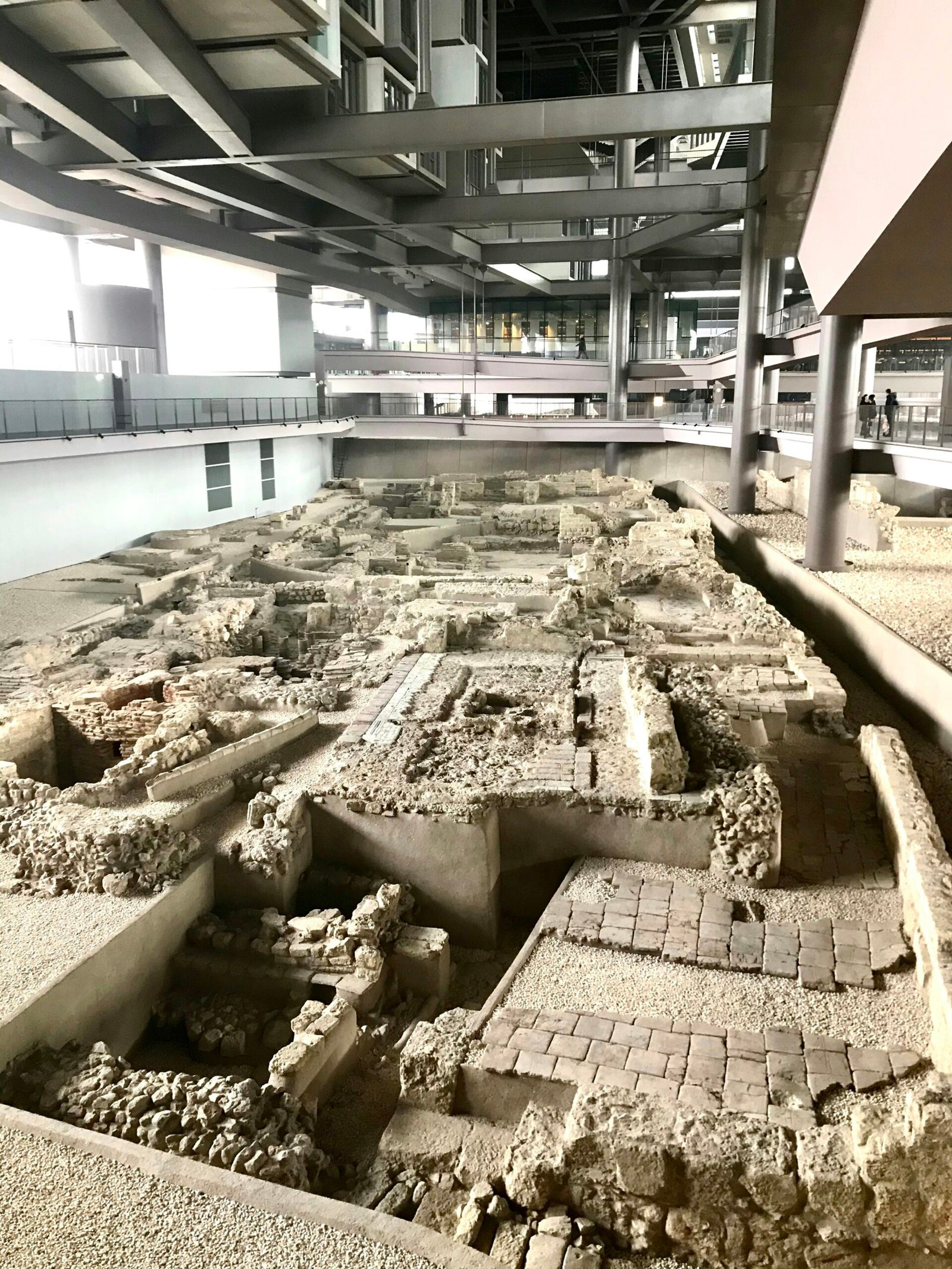
The Museum of the Roman Forum of Thessaloniki offers a unique glimpse into the rich history of the city. Housed in a purpose-built underground structure, the museum seamlessly integrates with the archaeological site, serving as a continuation of the historic cryptoporticus.
Artifacts on Display
This museum showcases a range of impressive artifacts from the Roman era, including magnificent statues, intricate vases, and valuable inscriptions. These findings are not merely relics; they are windows into the daily lives of Thessaloniki’s ancient inhabitants, presenting a vivid picture of their social structure and cultural practices. Items such as coins and varied objects further enrich our understanding, stretching the narrative from the 3rd century BC to modern times.
Significance and Conclusion
The Museum of the Roman Forum not only preserves the vestiges of the past but also plays a vital role in educating visitors about Thessaloniki’s historical context. By showcasing everyday items alongside monumental artifacts, it provides a comprehensive overview of life in this ancient city. A visit to this museum is essential for those wishing to delve deeper into the complexities of Thessaloniki’s history and its significance within the broader tapestry of the Roman Empire.