The Historical Significance of the Thessalonian Metropolis
The site that now houses the Thessalonian Metropolis has a profound historical footprint, primarily attributed to its origins as the Pavlos Melas Camp. Constructed in the early 20th century, this military camp served as a vital strategic location for the Greek army, particularly during the Balkan Wars and World War I. Its establishment significantly contributed to the military infrastructure in the region, underscoring the location’s importance to national defense and security.
Throughout the interwar period and into World War II, the Pavlos Melas Camp remained a focal point for military operations and training. The area was not only a site of logistical importance but also became home to numerous soldiers and their families, thus embedding military culture in the daily lives of those in Thessaloniki. Various conflicts that unfolded during these eras shaped the narrative of the camp, which was indicative of the city’s turbulent history.
However, the significance of the site transcends its military legacy. The transformation from Pavlos Melas Camp into the Thessalonian Metropolis symbolized a shift towards peace and cultural rejuvenation. In recent years, this area has been repurposed to serve as a cultural beacon for the city, showcasing art, performance, and community gatherings. By reimagining the space, the city council aims to foster cultural dialogues that reflect both Thessaloniki’s rich history and its aspirations for the future. This evolution from a military stronghold to a vibrant cultural hub highlights the adaptability of urban spaces to meet emerging societal needs, thus elevating the historical significance of the Thessalonian Metropolis in the collective memory of the city’s inhabitants.
Exhibits and Features of the Thessalonian Metropolis
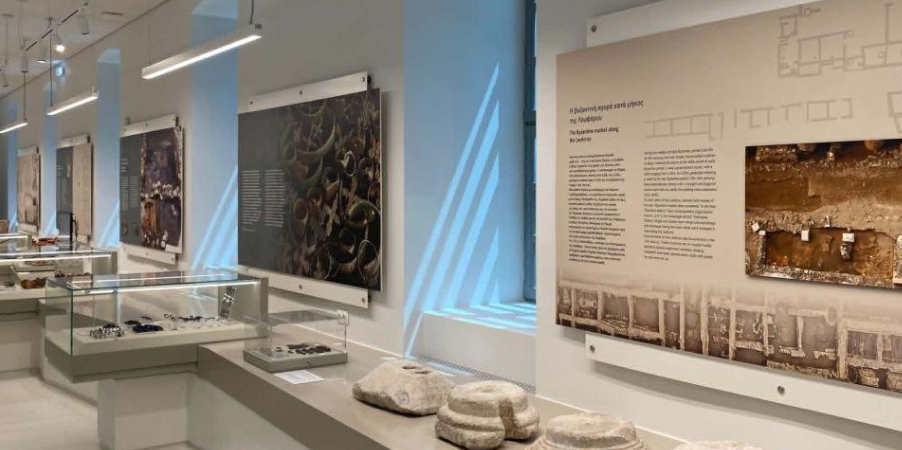
The Thessalonian Metropolis serves as a testament to the rich cultural heritage of Thessaloniki, showcasing a diverse array of exhibits that cater to various interests. Visitors can expect to encounter a plethora of artifacts that span different historical periods, each telling a unique story about the city’s past. One of the most notable features of the museum is its extensive collection of ancient artifacts, including sculptures, pottery, and coins, which provide insights into daily life, trade, and artistry in ancient Thessaloniki.
In addition to the static displays, the museum employs modern technology to enhance the visitor experience. Interactive screens throughout the exhibit invite guests to learn more about each artifact, offering detailed insights and historical context. Augmented reality experiences allow visitors to engage with the past in an immersive manner, making it possible to visualize ancient structures and scenes as they once existed. This blend of history and technology makes for an engaging educational experience.
Special installations, such as themed galleries and temporary exhibits, further enrich the museum experience. These rotating displays focus on particular themes relevant to the community, such as local artists or specific historical events, ensuring that there is always something new and exciting to discover. Unique workshops and guided tours are also an integral part of the museum’s offerings, providing an interactive platform for visitors to engage with the exhibits on a deeper level.
Ultimately, the Thessalonian Metropolis stands as a cultural beacon in Thessaloniki, designed to not only preserve the city’s rich history but also to forge a connection between the past and the present, inviting locals and tourists alike to explore its treasures.
Cultural Impact on the Local Community
The establishment of the Thessalonian Metropolis is poised to profoundly influence the local community and culture of Thessaloniki. Primarily, the museum is anticipated to play a pivotal role in nurturing the rich local heritage by showcasing the region’s history, art, and traditions. This initiative aligns with the broader objectives of preserving cultural identity while actively promoting engagement among the community members.
One of the key impacts of the Thessalonian Metropolis is its potential to encourage tourism, positioning Thessaloniki as a cultural hotspot. Community leaders have highlighted how the influx of visitors can revitalize local businesses and stimulate economic growth. As stated by Maria Petrou, a local historian, “The museum isn’t just a collection of artifacts; it’s a story waiting to be told, one that can draw people in and foster a sense of pride among residents.””>
In addition to fostering tourism, the museum is set to embark on educational initiatives aimed at young residents. These programs will provide opportunities for local students to engage with their heritage through workshops, guided tours, and interactive exhibits. Dr. Alexios Stavrou, an educator from the local university, remarked, “The Thessalonian Metropolis is a remarkable platform for educating our youth about their roots and the broader cultural landscape, thereby instilling a sense of responsibility towards preserving our history.”
Furthermore, the museum is expected to serve as a collaborative space for artists and educators alike, fostering partnerships that can enrich the local arts scene. By hosting cultural events, exhibitions, and lectures, the Thessalonian Metropolis can bridge diverse communities, creating a venue for dialogue and inspiration. As local resident and artist Elena Vasiliou expressed, “It’s about creating connections; the museum is a space that welcomes conversation, creativity, and community spirit.”
Thus, the Thessalonian Metropolis promises to be more than a mere cultural institution; it aims to strengthen community ties, promote tourism, and enhance educational opportunities. These aspects underscore the significant cultural impact envisioned for the local community in Thessaloniki.
Visiting the Thessalonian Metropolis: Practical Information
The Thessalonian Metropolis is located in the heart of Thessaloniki, making it accessible for both locals and tourists. Situated on Egnatia Street, which is a central thoroughfare in the city, visitors can easily reach the museum using various modes of transportation. The closest public transportation options include buses and the city’s tram service, providing convenient access to this cultural landmark.
For visitors planning their trip, it is essential to know the operational hours. The museum is typically open from Tuesday to Sunday, from 10:00 AM to 6:00 PM, although it is advisable to check their official website for any updates or changes in schedule. Entrance fees for the museum are generally modest, with discounts available for students and seniors.
The Thessalonian Metropolis hosts a variety of special events and exhibitions throughout the year, including lectures, workshops, and guided tours aimed at enhancing visitor engagement and understanding of the rich cultural heritage on display. Potential visitors are encouraged to keep an eye on the museum’s calendar for upcoming programs that may enrich their experience.
Accessibility is a crucial consideration for many visitors. The museum is equipped with facilities for individuals with mobility impairments, ensuring that everyone has the opportunity to explore its extensive collections. Furthermore, audio guides and printed materials in multiple languages are available to assist non-Greek speakers in appreciating the exhibits.
To make the most of their visit, guests may wish to join guided tours led by knowledgeable staff, who can provide in-depth insights and highlight key features of the museum. With an array of both permanent and temporary exhibits, visitors will find that the Thessalonian Metropolis offers a vibrant and educational experience that reflects the city’s artistic and historical diversity.