
Introduction to the Kemal Atatürk Museum
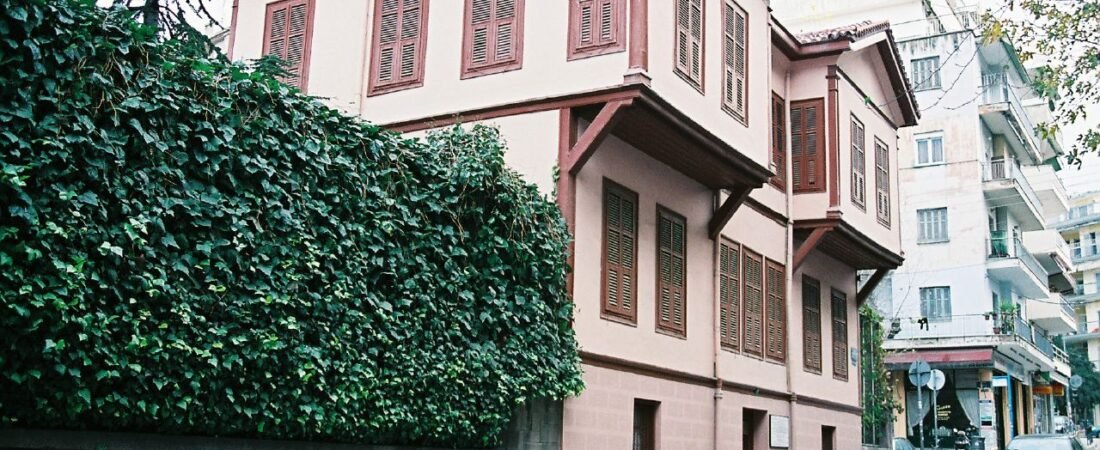
The Kemal Atatürk Museum, located in the city of Thessaloniki, Greece, offers a unique insight into the early life and legacy of one of Turkey’s most pivotal historical figures, Mustafa Kemal Atatürk. This museum is situated in a house where Atatürk was born in 1881, providing a profound connection between the great leader and the city that played a significant role in shaping his formative years. The museum serves not only as a memorial to Atatürk but also as a cultural bridge, presenting significant cross-border ties between Greece and Turkey.
Atatürk, who would go on to become the founder of the Republic of Turkey, is celebrated for his sweeping reforms and modernization initiatives during the early 20th century. These transformations laid the groundwork for contemporary Turkey’s socio-political landscape. Understanding Atatürk’s roots in Thessaloniki offers essential context to his vision of a secular, modern nation and symbolizes the shared history of the two countries.
The museum opened its doors to the public in 2001 and has since served as a center for education and cultural exchange. It features a rich collection of photographs, personal belongings, and documents that illustrate not only Atatürk’s childhood and upbringing but also his contributions to Turkish identity and governance. This curated experience provides visitors with a comprehensive overview of Atatürk’s life and the historical context of his time, emphasizing how his experiences and values were influenced by his birthplace.
In visiting the Kemal Atatürk Museum, guests can expect a journey through fascinating historical narratives, deepening their understanding of Atatürk’s influence both in Turkey and across the globe. The museum stands as a reminder of Thessaloniki’s place in the historical tapestry of the region and invites reflection on how the past continues to shape contemporary socio-political relations between nations.
Historical Background of Kemal Atatürk
Kemal Atatürk, born in Thessaloniki on March 12, 1881, emerged as a pivotal figure in Turkish history, renowned for his role as the founder of the Republic of Turkey. His formative years in Thessaloniki significantly shaped his character and ideals. Growing up in a multicultural environment, Atatürk was exposed to various cultures and religions, which influenced his progressive vision for a modern nation.
After receiving his education at the local military school, Atatürk pursued a career in the Ottoman military, where he quickly rose through the ranks due to his intelligence and strategic acumen. His military prowess was on full display during World War I, particularly in the Gallipoli Campaign, where he demonstrated exceptional leadership. This experience not only cemented his reputation but also solidified his commitment to reforming the Ottoman Empire.
Post-war, the collapse of the Ottoman Empire created a power vacuum, leading to the Turkish War of Independence. Atatürk’s leadership was instrumental during this period, as he united various factions and led a successful campaign against the occupying forces. In 1923, he proclaimed the establishment of the Republic of Turkey, marking a significant shift from an imperial structure to a secular and nationalist state.
As the first president, Atatürk implemented sweeping reforms aimed at modernizing Turkey, including the adoption of the Latin alphabet, gender equality measures, and secularizing the legal system. His legacy extended beyond national borders, influencing movements for reform and modernization in various countries. Atatürk’s early ties to Thessaloniki remain a testament to the city’s historical significance in shaping a leader whose ideals continue to resonate in contemporary Turkish society.
The Museum’s Location and Architecture
The Kemal Atatürk Museum is located in the vibrant city of Thessaloniki, Greece, positioned in the historical district of Laskaratou. This area not only provides visitors with easy access to public transportation and local amenities but also enhances the cultural experience by surrounding the museum with various historical landmarks. The museum occupies the residence where Mustafa Kemal Atatürk, the founding father of the Republic of Turkey, was born on March 12, 1881. This significant aspect makes the site a prominent point of interest for both historians and tourists alike.
The architecture of the museum is a notable representation of the Ottoman period. It features a traditional style characterized by its symmetrical facade, large windows, and decorative moldings that reflect the aesthetics of the late 19th century. The building primarily uses stone and wood, materials that are typical of the era, which further enhances its historic appeal. The overall design integrates both functionality and beauty, with a clear intention to provide insight into the domestic architecture of that time.
Inside, visitors can find carefully curated exhibitions that not only showcase Atatürk’s life and legacy but also maintain the original architectural elements of the home. The interior includes high ceilings, intricate wooden staircases, and rooms that have been preserved to reflect their historical significance. The museum serves as an educational platform, allowing guests to appreciate the rich history encapsulated within its walls. This combination of an important historical location and remarkable architecture underscores the cultural significance of the Kemal Atatürk Museum, making it a must-visit point of interest in Thessaloniki.
Exhibits and Collections
The Kemal Atatürk Museum in Thessaloniki features an extensive range of exhibits and collections that collectively offer profound insights into the life of Mustafa Kemal Atatürk, the founder of modern Turkey. The museum’s focus on personal artifacts, photographs, and historical documents creates a rich narrative that enlightens visitors about Atatürk’s formative years and the socio-political landscape of his time.
One of the principal attractions of the museum is the collection of personal artifacts belonging to Atatürk. These items include everyday objects, clothing, and personal accessories that provide a glimpse into his daily life and personality. Such artifacts help to humanize Atatürk, allowing visitors to connect with him on a more personal level. Additionally, there are several photographs that chronicle significant moments in his life, including his childhood in Thessaloniki, his military achievements, and his pivotal role in founding the Republic of Turkey.
The museum also houses a variety of documents, including letters, speeches, and official decrees, each contributing to a broader understanding of Atatürk’s policies and vision for the nation. The detailed narrative provided by these documents reveals the intricacies of the political and cultural transformations in Turkey during the early 20th century. Furthermore, the museum hosts temporary exhibitions featuring contemporary artists and scholars who explore themes related to Atatürk’s legacy, ensuring that the museum remains relevant and engaging for today’s audiences.
Overall, the exhibits and collections at the Kemal Atatürk Museum serve as a vital educational resource, paving the way for deeper reflections on Atatürk’s impact on modern Turkish identity and his enduring legacy within global history.
The Museum’s Role in Cultural Exchange
The Kemal Atatürk Museum in Thessaloniki stands as a significant point of interest, acting as a crucial bridge in Turkish-Greek relations. This museum is not merely a repository of artifacts; it embodies the legacy of Mustafa Kemal Atatürk and serves as a cultural conduit, fostering dialogue and understanding between two nations with a complex historical backdrop. Through various exhibitions, educational programs, and community outreach, the museum plays an integral role in promoting intercultural dialogue.
One of the key ways the museum enhances cultural exchange is by showcasing shared histories and narratives. It provides visitors with insights into Atatürk’s vision, which included not only the modernization of Turkey but also the importance of peaceful coexistence and mutual respect among diverse cultures. By emphasizing these values, the museum encourages visitors from both Turkey and Greece to reflect on their intertwined histories and the significance of reconciliation.
Moreover, the museum regularly hosts events and conferences that bring together scholars, artists, and the public from both nations. These initiatives further highlight the importance of collaborative efforts in enhancing mutual understanding. Such events often facilitate discussions on contemporary issues and foster opportunities for Turkish and Greek individuals to engage in meaningful dialogue. The preservation of Atatürk’s legacy through these activities not only celebrates his contributions but also emphasizes the possibility of a harmonious relationship rooted in respect and empathy.
In summary, the Kemal Atatürk Museum is more than just a historical site; it serves as a pivotal platform for cultural exchange. By promoting the understanding of Atatürk’s ideals and the history that binds Turkey and Greece, the museum contributes significantly to nurturing stronger ties between these nations. Visitors leave with a deeper appreciation of the shared values that can lead to peaceful coexistence and collaborative cultural relations.
Visitor Information
The Kemal Atatürk Museum, located in the heart of Thessaloniki, welcomes visitors to explore the rich history of Turkish culture and the legacy of Mustafa Kemal Atatürk. To ensure a smooth visit, it is vital to be aware of the museum’s operating hours, ticket prices, and accessibility options.
The museum is open to the public from Tuesday to Sunday, with operating hours from 9:00 AM to 5:00 PM. It remains closed on Mondays, allowing staff to maintain the exhibits. Both adults and students can enjoy the museum for a nominal admission fee, which typically does not exceed five euros. Children under 12 years can enter for free, encouraging families to partake in this historical experience.
Accessibility is a key concern for many visitors. The Kemal Atatürk Museum is committed to providing an inclusive environment, featuring wheelchair access throughout the building, including ramps and elevators that connect different floors. In addition, staff members are available to assist individuals with special needs, ensuring that every visitor can fully enjoy the museum’s offerings.
To enhance your experience, it is recommended to allocate sufficient time to explore the exhibits thoroughly. Guided tours are available at specific times, offering valuable insights into various artifacts, including Atatürk’s personal belongings and historical documents. Booking these tours in advance can prevent any scheduling conflicts.
Finally, consider visiting during weekdays or outside peak tourist seasons for a more intimate experience. During weekends and holidays, the museum may be bustling with visitors, which can detract from individual exploration. By planning your visit accordingly, you can appreciate the museum’s treasures at your own pace.
Events and Educational Programs
The Kemal Atatürk Museum in Thessaloniki not only serves as a historical site but also as a vibrant center for cultural and educational engagement. Throughout the year, the museum organizes a variety of events designed to foster historical awareness among the public. These events often include lectures, panel discussions, and exhibitions that delve into the life and legacy of Mustafa Kemal Atatürk, the founder of modern Turkey. By offering these educational programs, the museum aims to bridge cultural gaps and enhance understanding of Atatürk’s impact on both Turkish and Greek history.
In addition to public lectures, the museum hosts workshops tailored for students of various age groups. These workshops often incorporate interactive activities, including role-playing and guided tours, which encourage participants to engage with the historical context in a meaningful way. By bringing history to life, the museum facilitates a deeper connection between younger generations and their historical heritage.
The museum also collaborates with local educational institutions to create specialized programs for school groups. These programs are designed to complement the academic curriculum, thereby providing students with a unique opportunity to learn outside the traditional classroom setting. The goal is to instill a sense of historical consciousness and appreciation, ensuring that future generations understand the significance of Atatürk’s contributions to modern society.
Furthermore, the Kemal Atatürk Museum regularly participates in broader cultural festivals and commemorative events, integrating its offerings into the wider community. Through these endeavors, the museum not only preserves the memory of Atatürk but also plays a crucial role in promoting intercultural dialogue and historical education in Thessaloniki, making it a key player in the region’s cultural landscape.
Personal Reflections and Visitor Experiences
The Kemal Atatürk Museum in Thessaloniki serves not only as a historical site but also as a space for personal reflections and emotional connections to the legacy of its namesake. Numerous visitors have shared their experiences, which often highlight the profound impact that Atatürk’s life and principles have had on them, as well as on contemporary Turkish and Greek relations.
Visitors frequently recount feelings of nostalgia and pride upon entering the museum. For many of Turkish descent, the museum symbolizes a tangible connection to Atatürk, the founder of modern Turkey. One visitor expressed, “Walking through the halls of the Kemal Atatürk Museum, I felt as though I was stepping back in time to witness the birth of a nation. Each artifact resonated with memories of my childhood and my family’s history.” This sentiment is echoed by many, suggesting that the museum serves as a bridge between the past and present for Turkish visitors.
Conversely, Greek visitors often approach the museum with curiosity and a desire to understand a pivotal figure in their neighboring nation’s history. A visitor from Greece shared, “The museum allowed me to look at Atatürk in a new light. It’s important to understand the complexities of our shared history, and this museum offers just that.” Such testimonials emphasize that the museum is not just a site of remembrance but also a facilitator of dialogue and understanding across borders.
Additionally, the museum engenders a sense of responsibility among visitors to preserve and share Atatürk’s legacy. Many individuals reflect on how Atatürk’s principles of secularism, innovation, and social reform continue to resonate today. These personal narratives illustrate that the Kemal Atatürk Museum is much more than a historical venue; it is a vibrant space where legacies are honored and histories are re-explored through the eyes of diverse audiences.
Conclusion: The Legacy of Kemal Atatürk
The Kemal Atatürk Museum in Thessaloniki serves as a poignant reminder of the transformative impact that Kemal Atatürk had on modern Turkey. As the founder of the Republic of Turkey, Atatürk’s vision extends beyond borders and historical narratives, encapsulating ideals of reform, progress, and nationalism. The museum not only preserves artifacts and documents related to his life but also educates visitors about the socio-political changes that marked the early 20th century. Through its exhibitions, the Kemal Atatürk Museum instills an appreciation for the pioneering spirit of Atatürk and the principles of modernity, secularism, and national sovereignty he championed.
In the face of contemporary challenges, the museum stands as a testament to the enduring relevance of Atatürk’s philosophy. It invites individuals to explore the foundations of a nation built on the ideals of democracy and Westernization, allowing new generations to understand the importance of critical thinking and civic engagement. The museum not only commemorates Atatürk’s role in shaping Turkish identity but also serves as a platform for dialogue about the values that underpin democratic societies.
Ultimately, the legacy of Kemal Atatürk is deeply embedded within the walls of the museum. Each exhibition, educational program, and community event is a homage to his influence and a call to foster a sense of belonging and responsibility among citizens. By visiting the Kemal Atatürk Museum, individuals embark on a journey through history that encourages reflection on the past and present, ultimately inspiring a commitment to uphold the principles of freedom and equality that Atatürk envisioned for all.