
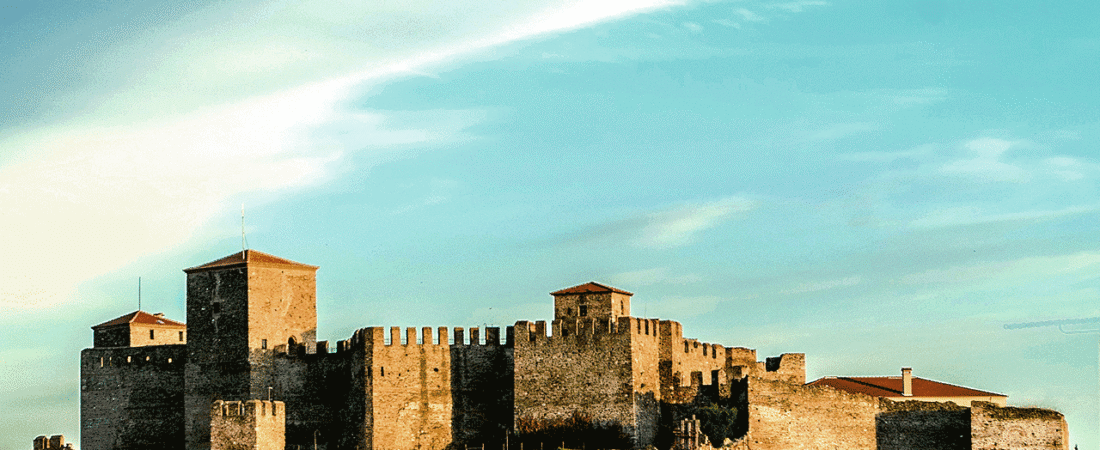
Introduction to Eptapyrgio: The ‘Yedi Kule’ of Thessaloniki
The Eptapyrgio, known as the ‘Yedi Kule’ or ‘Seven Towers,’ stands as a prominent historical landmark in Thessaloniki, Greece. This fortress, perched on the slope of the city’s Acropolis, carries with it a rich historical narrative that traces back to Byzantine times. Originally constructed during the 4th century, the Eptapyrgio was designed primarily as a defensive structure to protect the city from external threats. Over the centuries, it has undergone various modifications and has served multiple purposes, reflecting the region’s tumultuous history.
The name ‘Yedi Kule’ derives from the Turkish words for ‘seven towers,’ which highlights its significance during the Ottoman period. The fortress served not only as a military bastion but also as a prison where many notable figures were held throughout its history. As such, the Eptapyrgio has become a symbol of the enduring resilience of Thessaloniki, witnessing the city’s evolution through various cultural and political shifts.
Nestled within a landscape abundant in historical landmarks, the Eptapyrgio overlooks the city and the Thermaic Gulf, offering visitors breathtaking views. The structure is an integral part of Thessaloniki’s skyline, embodying both its Byzantine legacy and later Ottoman influences. Today, the Eptapyrgio is a vital component of the city’s touristic allure, attracting historians, architecture enthusiasts, and travelers alike. As visitors explore this iconic fortress, they are not only stepping into a well-preserved piece of history but also gaining insight into the multi-layered narrative of Thessaloniki, a city that has long been a crossroads of civilizations.
Historical Background and Construction of Eptapyrgio
The Eptapyrgio, also known as the Yedi Kule, is an iconic fortress situated on the northern edge of the city of Thessaloniki, Greece. Its construction commenced during the late 12th century, specifically around 1430, under the rule of the Byzantine Empire. The fortification was strategically erected to serve as both a defensive structure and a watchtower, overseeing the city and the surrounding landscape.
The architectural style of the Eptapyrgio is predominantly Byzantine, reflecting the military needs and serious challenges faced by the Empire during that era. The fortress exhibits a mix of Byzantine, Ottoman, and medieval design elements, with its massive stone walls presenting a robust defense mechanism against potential invasions. The rectangular layout, combined with the prominent towers, signifies its importance as a military bastion, taking full advantage of its elevated position. The name ‘Eptapyrgio’ translates to ‘Seven Towers,’ which indicates the original towers that formed part of this impressive structure.
Throughout its history, the Eptapyrgio has witnessed numerous rulers and cultural shifts, particularly as Thessaloniki transitioned from Byzantine control to Ottoman rule in the 15th century. During this period, the fortress was adapted for various military uses. It is a testament to the dynamic history of the city, reflecting influences from both the Byzantine and Ottoman empires. The fortress’s establishment was a necessity dictated by the prevailing political conditions, as it played a crucial role in safeguarding the city from foreign aggressions and revolts.
Architectural Features and Design of Eptapyrgio
The Eptapyrgio, an imposing fortress located atop the Acropolis of Thessaloniki, is a striking example of military architecture influenced by both Byzantine and Ottoman styles. This historical landmark, primarily built during the early Byzantine period, boasts a series of robust walls constructed from local limestone. These walls serve not only as defensive structures but also as a testament to the engineering ingenuity of the time.
One of the most prominent architectural features of the Eptapyrgio is its strategic layout, which includes several towers designed for surveillance and defense. The fortress is characterized by its unique polygonal shape, enhancing its defensive capabilities. The towers, especially the larger ones at the corners, are adorned with elements characteristic of Byzantine architecture, such as semi-circular arches and decorative brickwork. This reflects a convergence of form and function, as the design not only provided military advantages but also allowed for a commanding view of the surrounding area.
The influence of Ottoman architecture becomes apparent in the later modifications made to the fortress. While the original Byzantine features remain intact, subsequent additions such as domes and intricate motifs illustrate a blend of cultural elements. The incorporation of Islamic design principles can be observed in some sections, showcasing the Eptapyrgio’s historical role as a crossroad of various civilizations.
This fusion of architectural influences not only exemplifies the evolution of military fortifications in the region but also provides insights into the socio-cultural interactions that have shaped Thessaloniki over the centuries. The Eptapyrgio thus stands as a lasting symbol of resilience, embodying the architectural legacy of both the Byzantine and Ottoman eras.
Military Significance of Eptapyrgio
The Eptapyrgio, a formidable fortress perched on the highest point of the Heptapyrgion, has been integral to the military landscape of Thessaloniki throughout its storied history. Established during the Byzantine period, this strategic outpost served as the city’s primary line of defense against various invaders, including the Ottomans and the Slavs. The design and construction of the Eptapyrgio were influenced significantly by the need for robust defensive mechanisms, making it a crucial asset in military logistics.
One of the most notable instances of the fortress’s military significance occurred during the siege by the Crusaders in 1204. Eptapyrgio’s formidable walls and strategic positioning enabled the defenders to mount a prolonged resistance, showcasing the fortress’s role in protecting the city from conquest. Furthermore, during the Ottoman conquest in the 15th century, the Eptapyrgio held significant importance in the defense strategies employed by the Byzantine Empire, emphasizing its utility as a bastion against external threats.
Over the centuries, the Eptapyrgio was not only a fort but also functioned as a prison for political dissidents and a military barrack. Its multi-faceted roles highlight its ongoing relevance in the defensive maneuvers of Thessaloniki. The evolution of military technology, paired with the fortress’s architectural fortitude, maintained the Eptapyrgio’s status as a critical defensive stronghold through various military conflicts.
In the 20th century, the significance of the Eptapyrgio continued to resonate, especially during the Balkan Wars, where its strategic positioning was vital for monitoring enemy movements. Today, the historical military significance of the Eptapyrgio serves as a reminder of its role in shaping the defense strategies of Thessaloniki, contributing to its complex military history.
Cultural and Social Role Through the Ages
The Eptapyrgio of Thessaloniki, primarily recognized for its strategic military significance, has had a profound impact on the cultural and social landscape of the city throughout its history. Initially constructed as a fortress in the Byzantine era, it served to protect the city from invasions. However, its role transcended mere defense; it evolved into a multifaceted structure that reflected the city’s changing dynamics.
During the Ottoman period, the Eptapyrgio became notorious as a prison, housing numerous political prisoners and rebels. Its walls echoed the stories of those who suffered within them, transforming the structure from a military bastion to a symbol of oppression. This dark chapter in its history contributed to the collective memory of Thessaloniki, shaping the identity of its residents over time.
In the 20th century, the Eptapyrgio adapted once again, emerging as a venue for public gatherings and cultural events. Its historical significance made it an appealing backdrop for various celebrations, allowing the local community to connect with their heritage while fostering a sense of unity. Events held at the Eptapyrgio often combine traditional music, art exhibitions, and theatrical performances, showcasing the richness of Thessaloniki’s cultural scene.
Moreover, the Eptapyrgio has become a focal point for tourists seeking to understand the city’s history. As visitors explore its ancient corridors, they encounter not only the physical structure but also the layered narratives of its past. The landmark invites contemplation of the societal transformations that have occurred in Thessaloniki, highlighting the interplay between history and contemporary life.
Thus, the Eptapyrgio serves as a testament to the resilience of Thessaloniki’s culture, embodying both the struggles and triumphs of its people across centuries. Its ongoing legacy continues to influence the social fabric of the city, making it a significant cultural landmark in the heart of Thessaloniki.
Modern-Day Eptapyrgio: Preservation and Tourism
The Eptapyrgio, an imposing fortress situated within the walls of the ancient city of Thessaloniki, stands as a testament to the city’s rich historical narrative. Today, the structure not only functions as a significant cultural landmark but also as a popular tourist destination. In recent years, there have been concerted efforts aimed at the preservation of the site, ensuring that its historical integrity is maintained for future generations.
Recognized as a historical monument, the Eptapyrgio has undergone various conservation projects that focus on restoring its architecture while adhering to regulations set by the Greek Ministry of Culture. These initiatives seek to mitigate the effects of weathering and decay, which can impact the stone and masonry. Such attention not only preserves the fortification as an artifact but also enhances its visual appeal, making it an attractive site for visitors.
The Eptapyrgio attracts a diverse array of tourists each year, drawn by its historical significance, panoramic views of Thessaloniki, and serene park-like surroundings. Visitors can engage in guided tours that delve into the fortress’s storied past, emphasizing its role through various eras, including Byzantine and Ottoman periods. Moreover, interactive exhibitions can offer insights into its architectural evolution.
Accessibility to the site has been improved, catering to a wide range of tourists, ensuring that those with mobility challenges can experience its unique beauty. The landscape surrounding the Eptapyrgio also features walking paths, benches, and information panels that enrich the visitor experience, transforming a simple visit into an educational journey.
Legends and Folklore Surrounding Eptapyrgio
The Eptapyrgio, a formidable fortress situated in Thessaloniki, is not merely a relic of the past but a vessel for numerous legends and folklore that have sprung up over centuries. These tales, often passed down through generations, intertwine historical fact with embellishments, offering a fascinating glimpse into the cultural psyche of the region.
One of the most compelling legends associated with the Eptapyrgio involves the figure of the last Byzantine Emperor, Constantine XI. It is said that he took refuge within the fortress during the final days of the Byzantine Empire. The stories recount his desperation and the haunting visions he experienced while gazing out from the fortress walls, foreseeing the fall of his beloved Constantinople. These narratives not only reflect the historical significance of the Eptapyrgio but also contribute to its mystique as a site of sorrow and lost glory.
Another prominent legend narrates the eerie experiences reported by visitors and locals alike, claiming that the fortress houses many ghostly presences. Stories have emerged of soldiers and civilians who lost their lives during various sieges and conflicts, with witnesses describing apparitions wandering the battlements. These ghost stories have transformed the Eptapyrgio into a local haunt, drawing the curiosity of those interested in the paranormal.
Additionally, the Eptapyrgio is linked to tales of buried treasure, said to be hidden within its ancient walls. Folklore often tells of hidden corridors leading to stashes of gold and artifacts left behind by previous occupants. While many have searched for these treasures, the legends continue to thrive, keeping the spirit of adventure alive in the minds of those who visit this historical landmark.
Recent Events and Celebrations at Eptapyrgio
The Eptapyrgio of Thessaloniki, known for its captivating historical significance and architectural splendor, continues to serve as a vibrant backdrop for various contemporary events and community celebrations. Recently, the landmark has garnered attention as a space where cultural festivals and art exhibitions unfold, reflecting its importance not only as a historical site but also as a dynamic cultural hub within the city.
One of the most notable recent events at Eptapyrgio was the annual Cultural Festival, which showcased a plethora of local talents ranging from musicians to visual artists. This festival not only highlighted the rich cultural heritage of Thessaloniki but also allowed visitors to engage with the space in a meaningful way, fostering a sense of community. Various performances were held within the fortress walls, providing attendees with a unique experience that blends history and modern artistic expression.
In addition to festivals, the Eptapyrgio has also hosted several art exhibitions featuring contemporary artists. These exhibitions often explore themes related to history and identity, encouraging visitors to reflect on their connection to the past while appreciating the relevance of these topics in today’s society. The juxtaposition of modern art within this ancient framework creates a compelling dialogue between the old and the new, enriching the overall visitor experience.
Furthermore, community gatherings, such as workshops and educational programs, have become increasingly popular at the Eptapyrgio. These events aim to engage both locals and tourists, providing them with opportunities to learn about the history of the site and the broader context of Thessaloniki’s cultural landscape. As a result, the Eptapyrgio remains a central point of attraction that invites interaction and participation, thereby reinforcing its status as an essential part of the contemporary cultural scene.
Conclusion: The Eptapyrgio’s Legacy in Thessaloniki
The Eptapyrgio, a prominent fortress situated in the historic city of Thessaloniki, serves as a profound testament to the city’s rich cultural and historical legacy. Established in the early Byzantine period, this architectural marvel has endured through the ages, witnessing various transformative phases in the region’s history. Its strategic position on the city’s acropolis provided not only defense against invasions but also a vantage point that reflects the city’s evolving dynamics over centuries.
Throughout its existence, the Eptapyrgio has symbolized resilience, standing strong against the test of time and the onslaught of adversities. From serving as a military stronghold to its role in the Byzantine, Ottoman, and modern Greek periods, the fortress encapsulates the multifaceted identity of Thessaloniki. The imposing walls of the Eptapyrgio resonate with tales of triumph and hardship, marking it as a pivotal landmark in the city’s narrative.
In contemporary times, the Eptapyrgio has transitioned into a cultural anchor, attracting tourists and scholars alike who seek to understand its historical significance. It stands as a monument not only of militaristic achievement but also of the cultural dialogues that have taken place within its walls. The fortress now embodies the collective memory of its inhabitants, continuing to inspire pride in Thessaloniki’s heritage and legacy.
In conclusion, the Eptapyrgio of Thessaloniki remains much more than a historical edifice; it is a symbol of cultural perseverance and a reminder of the city’s lengthy saga. The fortress continues to play an essential role in shaping Thessaloniki’s identity while bridging the past and present, fostering a sense of unity among generations.