Latest posts
Exploring Thessaloniki’s Rich History: 4 Must-See Historical Sites

Introduction to Thessaloniki’s Historical Significance A Glimpse into Thessaloniki’s Historical Background Thessaloniki, the second-largest city in Greece, boasts a rich historical background that dates back to its founding in 315 BC by Cassander, the King of Macedon. Named after his wife, Thessalonike, who was the half-sister of Alexander the Great, the city quickly developed into…
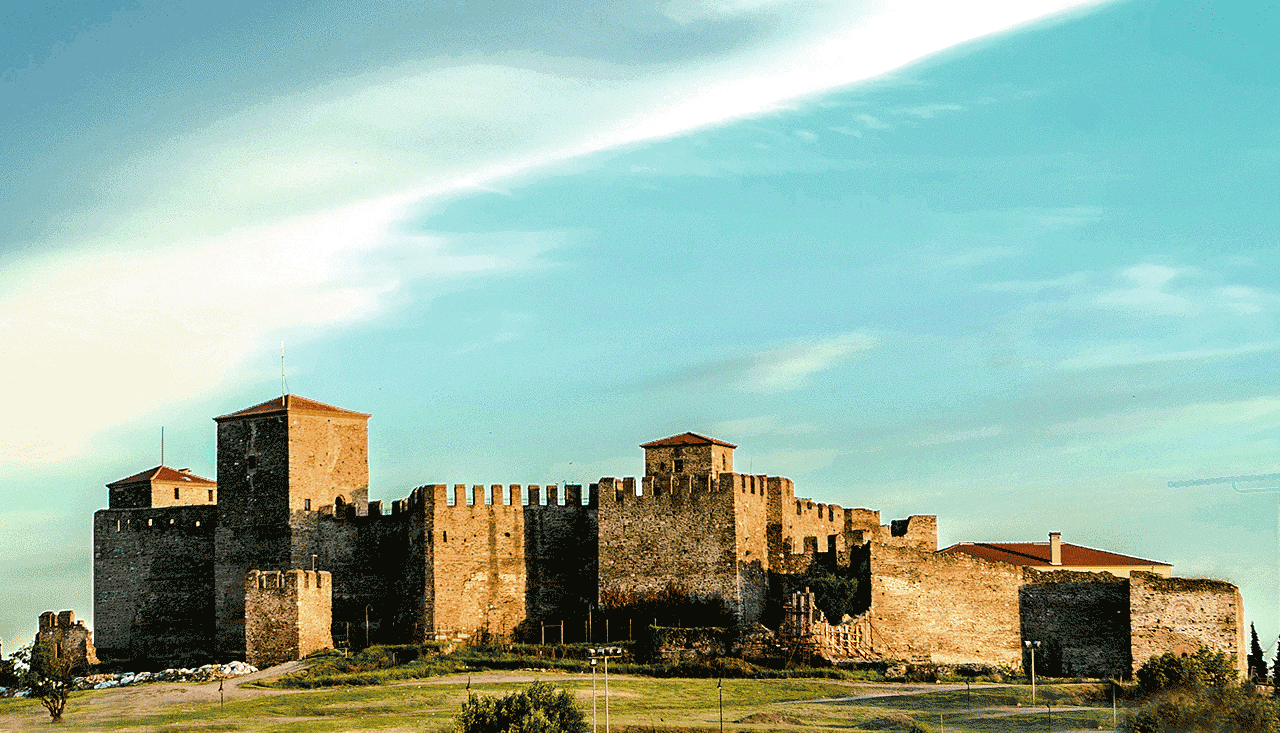
Eptapyrgio of Thessaloniki

Introduction to Eptapyrgio: The ‘Yedi Kule’ of Thessaloniki The Eptapyrgio, known as the ‘Yedi Kule’ or ‘Seven Towers,’ stands as a prominent historical landmark in Thessaloniki, Greece. This fortress, perched on the slope of the city’s Acropolis, carries with it a rich historical narrative that traces back to Byzantine times. Originally constructed during the 4th…
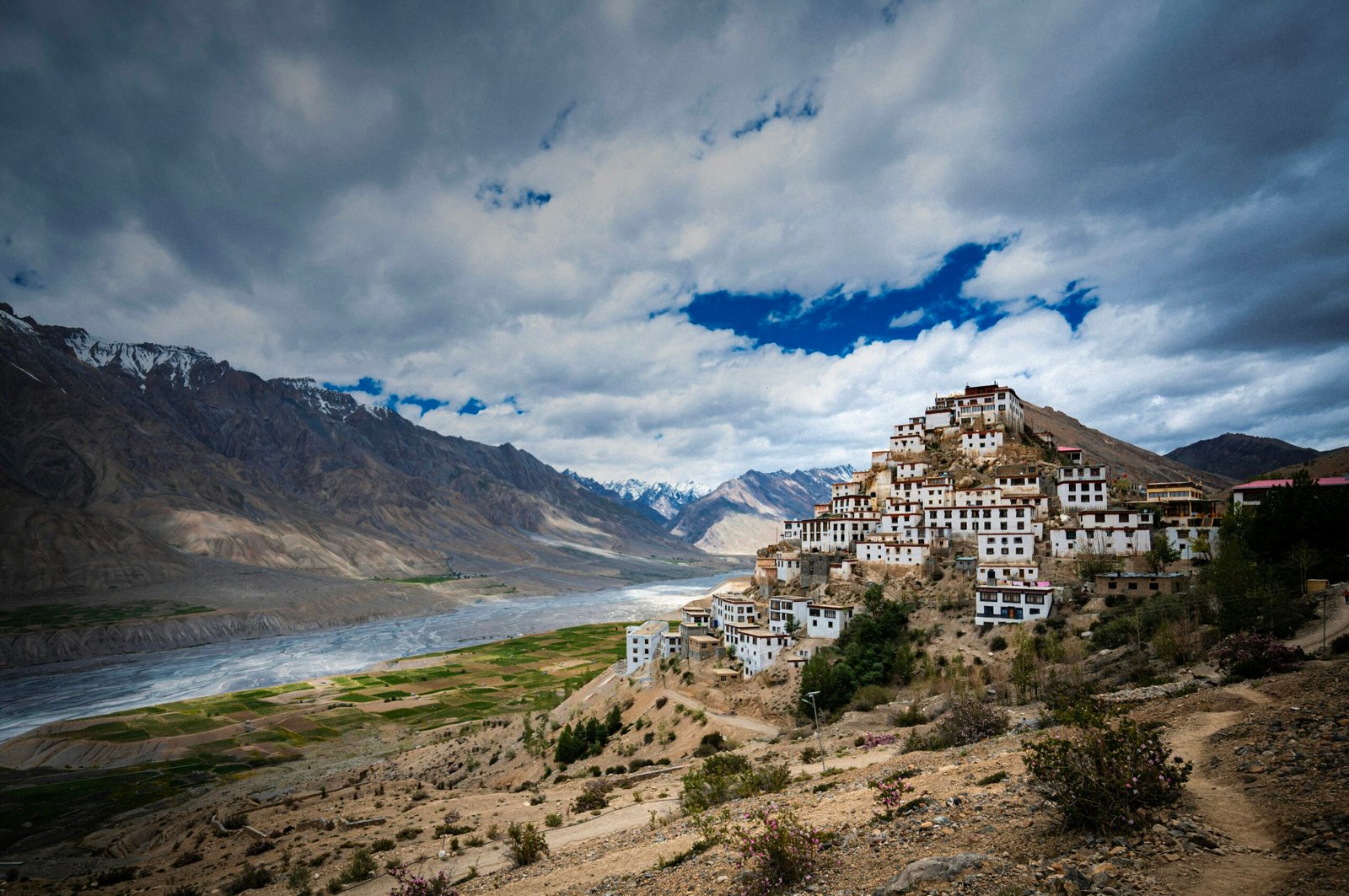
Monastery of Saint David

A Brief History of the Monastery of Saint David The Monastery of Saint David in Thessaloniki, Greece, boasts a rich and storied past that dates back to the 14th century. Founded by Saint David of Thessaloniki, a notable figure in Orthodox Christianity, the monastery was established amidst a period of significant religious fervor and cultural…
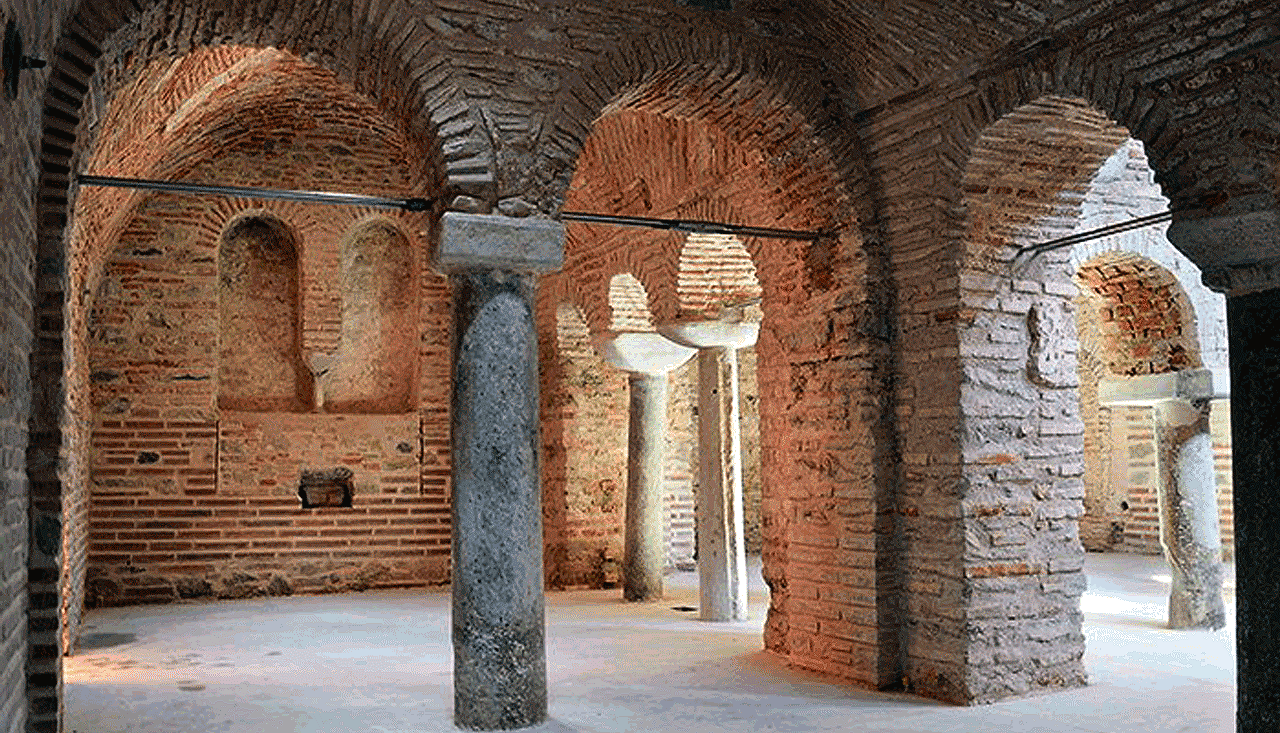
Byzantine baths of Thessaloniki
The Byzantine Baths are located in the Upper Town of Thessaloniki and are the only surviving baths of the Middle Byzantine period in all of Greece. They operated continuously until 1940, and today they are among the UNESCO World Heritage Sites. Visit Information Address: Theotokopoulou & Krispou 13, 54634, Ano Poli, Thessaloniki.Opening Hours: Opening hours…
History of Thessaloniki
The Origins of Thessaloniki: A Historical Overview The city of Thessaloniki, strategically located in northern Greece, has a rich foundation dating back to 316/315 BC. Its origins are deeply rooted in the historical context of ancient Macedonia, particularly during the reign of Cassander, a general of Alexander the Great. Following the death of Alexander, Cassander…