
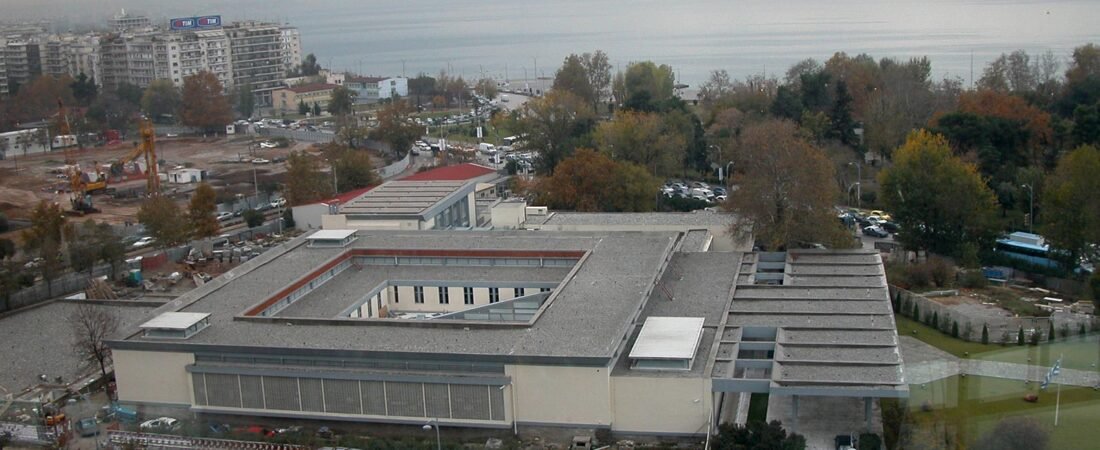
Introduction to the Museum
The Archaeological Museum of Thessaloniki, founded in 1962, serves as a vital institution dedicated to the preservation and promotion of the cultural heritage of Macedonia. As one of the most prominent archaeological museums in Greece, it stands as a testament to the region’s rich history and significance in the development of ancient civilizations. The museum is strategically located in the city of Thessaloniki, which has long been an epicenter of cultural exchange and historical significance.
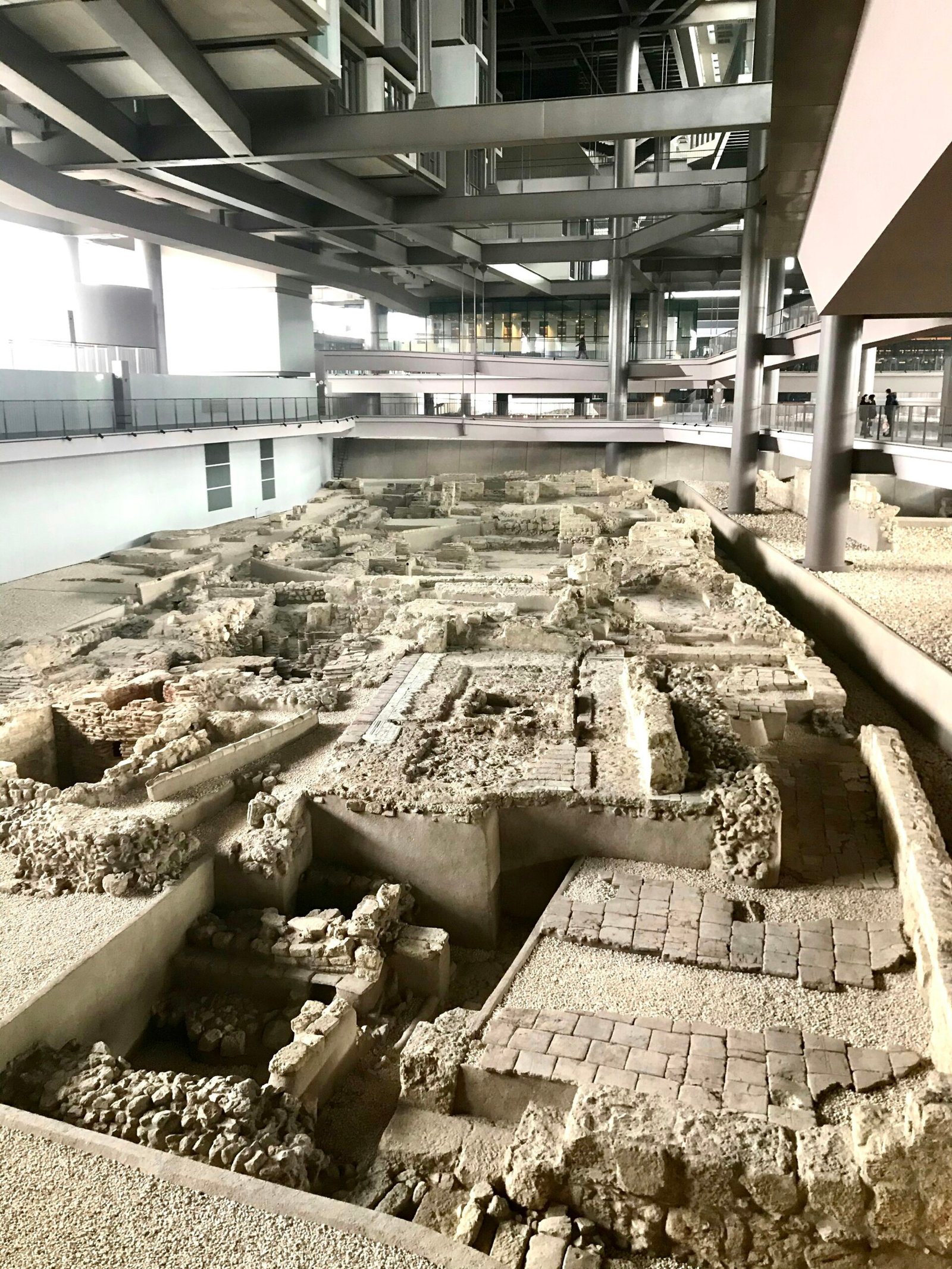
Housed within a structure that showcases modern architectural elements, the museum itself has been thoughtfully designed to reflect the heritage it represents. The building was constructed following an innovative design that integrates functionality with aesthetics, ensuring that the exhibits are displayed in a manner that both respects their historical context and enhances visitor engagement. The museum’s layout, featuring spacious galleries and well-curated displays, facilitates the exploration of the extensive collections, which encompass artifacts ranging from prehistoric to late antiquity.
The primary purpose of the Archaeological Museum of Thessaloniki is to serve as a custodian of the region’s archaeological treasures, providing a national and international platform for education and tourism. Through diverse exhibitions, educational programs, and research initiatives, the museum plays a significant role in bringing awareness to Greece’s rich history and the importance of cultural heritage preservation. The museum not only attracts scholars and tourists alike but also enriches the understanding of Macedonia’s archaeological narrative, fostering a connection between the past and present. By engaging in collaborative efforts with local and international institutions, the museum continually expands its reach, ensuring that it remains a key player in the dissemination of knowledge and appreciation of ancient Macedonian culture.
Key Exhibits and Collections
The Archaeological Museum of Thessaloniki is renowned for its extensive collection of artifacts that shed light on ancient Greek civilization, particularly those from the Macedonian period. One of the museum’s most significant exhibits includes objects retrieved from ancient Macedonian tombs, which offer invaluable insights into the burial practices and societal structures of the time. These finds include exquisitely crafted gold burial masks, which are not only striking examples of ancient artistry but also serve as symbols of the wealth and status of the individuals they adorned.
Visitors are particularly captivated by the various sculptures displayed within the museum, each piece revealing the artistic sophistication that characterized ancient Macedonia. These sculptures often depict gods, heroes, and notable figures from mythology, highlighting the culture’s rich narrative traditions. Additionally, the ceramic collection features an array of pottery, ranging from everyday household items to intricately designed vessels used in ceremonial contexts. Such artifacts are vital for understanding the daily lives of ancient Greeks and their artistic expressions.
Another highlight of the museum is its display of significant archaeological finds that demonstrate the technological and cultural advancements of ancient Greece. Objects like coins, jewelry, and tools not only showcase the craftsmanship of the era but also provide context for trade practices and interactions with neighboring cultures. The museum’s dedication to preserving and exhibiting these items plays a crucial role in contributing to the wider understanding of ancient Greek culture. Displaying such a wealth of artifacts allows researchers and the public alike to appreciate the depth and complexity of Macedonia’s historical tapestry, further cementing the museum’s stature as a vital institution in the field of archaeology.
The Archaeological Museum of Thessaloniki invites visitors to explore its extensive collection, showcasing thousands of years of history from Macedonia. For those planning a visit, the museum is open to the public from 8:00 AM to 8:00 PM. Admission fees are quite reasonable, with an entry fee of €6 for adults, while discounts are available for students, seniors, and groups, making it accessible for a wide audience.
For a more enriched experience, it is advisable to consider joining a guided tour. These tours are led by knowledgeable professionals who can provide insights and anecdotes about the exhibits, enhancing your understanding of the artifacts on display. Guided tours can be arranged in advance and are offered in multiple languages. It’s always a good idea to check the museum’s official website for the most current information on tour schedules, especially during peak tourist seasons.
Visiting the museum is not only about the exhibits; there are various interactive displays and educational programs designed to engage visitors of all ages. Families, in particular, may want to seek out the interactive zones tailored for children, which encourage learning through play. Additionally, make sure to visit notable exhibits like the golden masks from burial sites or the stunning collection of ancient pottery, which highlight Macedonia’s rich cultural heritage.
Accessibility is an important consideration at the Archaeological Museum of Thessaloniki. The venue is equipped with ramps and elevators to cater to visitors with mobility challenges. It is recommended to inquire about any specific requirements when planning your visit to ensure a smooth experience.
After exploring the museum, take some time to enjoy the surrounding area. Nearby attractions such as the White Tower and the vibrant waterfront promenade offer a perfect complement to your historical journey at the museum.
Cultural Events and Educational Programs
The Archaeological Museum of Thessaloniki plays a pivotal role in promoting cultural engagement among the public through its extensive range of events, exhibitions, and educational programs. By focusing on Greece’s rich archaeological heritage, the museum fosters greater awareness and appreciation among diverse audiences, including locals and international visitors.
One of the museum’s signature offerings is its temporary exhibitions, which often highlight specific archaeological discoveries or themes. These exhibitions not only showcase unique artifacts but also provide context about the history and culture of ancient civilizations in the region. Through carefully curated displays, visitors gain insights into the artistic and social dynamics of the past.
In addition to exhibitions, the museum hosts a variety of cultural events, including lectures and workshops. These events are designed to engage the community and encourage participation in discussions regarding archaeology and heritage conservation. Expert speakers, often including archaeologists and historians, present their research and findings, allowing for an interactive experience where attendees can pose questions and share their perspectives.
Furthermore, the museum collaborates with local schools and universities to develop educational programs that are tailored for students of all ages. This initiative includes guided tours, hands-on workshops, and lectures, which serve to inspire the younger generation and ignite a passion for history and archaeology. Through these educational experiences, students not only learn about the significance of archaeological sites and artifacts but are also encouraged to partake in preservation efforts.
Overall, the Cultural Events and Educational Programs offered by the Archaeological Museum of Thessaloniki are instrumental in creating informed citizens who value their cultural heritage and the importance of preserving it for future generations.