
The Origins of Thessaloniki: A Historical Overview
The city of Thessaloniki, strategically located in northern Greece, has a rich foundation dating back to 316/315 BC. Its origins are deeply rooted in the historical context of ancient Macedonia, particularly during the reign of Cassander, a general of Alexander the Great. Following the death of Alexander, Cassander sought to enhance his control over Macedonia and create a thriving urban center that would serve as both a commercial and military hub.
To achieve this objective, Cassander established Thessaloniki by amalgamating several villages in the region, thereby giving birth to a city that would soon become one of the most significant urban centers of its time. The city was named after Thessalonike, the half-sister of Alexander the Great, who was a prominent historical figure. Thessalonike’s influence was substantial owing to her familial connection to one of the greatest conquerors in history, and the choice of her name for the city established a powerful symbolic link to Macedonian heritage and grandeur.
Following its establishment, Thessaloniki quickly became an integral part of Macedonia, benefiting from its advantageous geographical position. Positioned at the crossroads of key trade routes, the city facilitated commerce and cultural exchange between various regions, including Asia Minor and the Balkan hinterland. Additionally, as a major port city, it played a vital role in maritime trade. This position not only fostered economic growth but also made Thessaloniki an important cultural melting pot, attracting diverse populations.
Overall, from its inception, Thessaloniki’s foundation was marked by historical significance and strategic planning, both of which contributed to its thriving existence as a central hub in the ancient world. This convergence of culture, trade, and political power set the stage for the city’s continued importance through subsequent epochs.
The Meaning Behind the Name ‘Thessaloniki’
The name ‘Thessaloniki’ is rich in historical and cultural significance, intricately tied to the city’s foundation and identity. Etymologically, it derives from two Greek words: ‘Thessalos’ and ‘nike,’ which together translate to ‘victory of Thessalos.’ This reflects the complex history of the region, where victory served not just as a military concept, but also as a cultural emblem that shaped the lives of its residents. The story behind the name is deeply connected to the patroness of the city, Thessalonikι, who was the half-sister of Alexander the Great. Her legacy is said to be embodied within the very fabric of Thessaloniki’s identity, bringing with it tales of valor, honor, and divine favor.
In addition to the historical references, the name ‘Thessaloniki’ resonates with powerful narratives linked to the ‘blood of basil,’ a significant element in local folklore. The basil plant, regarded as a symbol of love and sacrifice, finds its roots in the streets of Thessaloniki. The associations of basil with themes of grief and remembrance tie back to the city’s patroness, whose virtues are still celebrated today. This connection deepens the cultural narrative around the name, affirming the community’s dedication to their heritage and the stories that each generation passes down.
Therefore, through its characterization of victory, familial ties, and folklore, the name ‘Thessaloniki’ serves as more than merely an identifier for a geographical location; it encapsulates the essence of a city enriched by its multifaceted history. The significance of the name becomes a testament to the stories that have emerged from the city’s ancient foundation, inviting both residents and visitors to explore its profound cultural landscape. This intertwining of identity, legacy, and heritage provides a deeper understanding of the city and the historical narratives that continue to shape its present.
Thessaloniki’s Early History and Influence
Thessaloniki, founded in 315 BC by Cassander of Macedon, holds a prominent place in the annals of ancient history. Its establishment was strategically calculated, as the city was named after Thessalonike, the half-sister of Alexander the Great. The strategic position of Thessaloniki, located along the Thermaic Gulf and at the crossroads between east and west, enabled it to flourish as a critical hub for trade and cultural exchange in the ancient world.
From its inception, Thessaloniki’s advantageous location significantly impacted its growth and development. The city’s port facilitated maritime trade, allowing goods and ideas to flow from as far as Asia Minor and the Mediterranean, enhancing its economy and cultural richness. Consequently, it became a melting pot of various influences, integrating customs and traditions from different civilizations, including the Hellenistic, Roman, and later Byzantine cultures.
The city quickly grew into a key player within the Macedonian territory. During the Roman Empire, Thessaloniki was elevated to the status of a free city, which further solidified its importance. The city’s notable infrastructure, including roads, markets, and public buildings, provided a foundation for economic prosperity. Furthermore, its role as a center for the dissemination of Christianity in the early Byzantine period fostered intellectual and spiritual development, contributing to the city’s long-standing legacy.
Thessaloniki’s early development was characterized by a blend of diverse traditions, which shaped both its social fabric and artistic expressions. The influence of neighboring cultures contributed to the emergence of a unique local identity, distinguished by its vibrant urban life and rich artistic heritage. As a result, Thessaloniki not only served as a strategic trade hub but also emerged as a nexus of culture and learning, paving the way for its future significance in history.
The Role of Basil in the Foundation Story
The narrative surrounding the city of Thessaloniki is intricately interwoven with the symbolism of basil, a herb that holds profound significance in the region’s foundation story. According to legend, when Cassander, the founder of Thessaloniki, established the city in 315 BC, he sought to immortalize his beloved wife, Thessalonike, by naming the city after her. The anecdote further elaborates that basil was entwined in this tale, as it was believed to have sprouted from the ground where her feet touched. This striking imagery not only reinforces a connection to the city’s origins but also embodies its spirit of endurance and resilience. Just as basil thrives in diverse conditions, so too has Thessaloniki adapted and flourished through the trials of history.
The prominent role of basil extends beyond a mere botanical reference; it symbolizes the cultural and historical richness of Thessaloniki. In ancient times, the herb was revered not only for its culinary uses but also for its medicinal properties, thereby representing a blend of practicality and spirituality. This duality speaks to the essence of Thessaloniki as a city that has been a meeting point of diverse traditions and influences throughout the centuries. From its ancient Greek roots to Roman and Byzantine eras, basil has remained a constant reminder of the city’s ability to incorporate various elements into its identity while preserving its foundational stories.
Moreover, in modern Thessaloniki, basil continues to hold cultural significance. It is often used in local cuisine and celebrations, symbolizing not just a link to the past but also an enduring presence in contemporary life. This continuity of basil as a symbol reflects the broader narrative of Thessaloniki, a city characterized by its resilience and adaptability while remaining deeply connected to its historical foundations.
Thessaloniki Through the Ages: Key Historical Milestones
Thessaloniki, the second-largest city in Greece, boasts a rich tapestry of history that spans over 2,300 years. Founded in 315 BC by Cassander of Macedon, the city was named after his wife, Thessalonike, who was the half-sister of Alexander the Great. Throughout its early years, Thessaloniki became an important trade hub, benefiting from its strategic location on the Via Egnatia, connecting the Adriatic Sea with the Aegean Sea.
During the Roman Empire, Thessaloniki flourished as a provincial capital and played a crucial role in the spread of Christianity. The Apostle Paul visited the city, and his letters to the Thessalonians are among the earliest Christian texts. Following the collapse of the Roman Empire in the 5th century, Thessaloniki faced a series of invasions and was often contested by various powers, including the Byzantine Empire.
The Byzantine period marked a significant transformation in the city, with Thessaloniki emerging as a cultural and religious center. It served as a vital point in the establishment of Orthodox Christianity and witnessed the construction of numerous churches, some of which are now UNESCO World Heritage sites. However, the city’s fortunes fluctuated over the centuries, particularly during the Fourth Crusade, when it was briefly taken over by Frankish forces in 1204.
In the late medieval period, Thessaloniki faced another shift when it fell to the Ottoman Empire in 1430. Under Ottoman rule, the city was renowned for its diverse population, including Jews, Christians, and Muslims, contributing to a vibrant cultural milieu. The city’s status as a commercial center continued to thrive, particularly during the 19th century when it became pivotal in the regional trade routes.
Following the Balkan Wars, Thessaloniki joined Greece in 1912. The 20th century brought further challenges, including the devastating fire of 1917, which reshaped the urban landscape and led to extensive rebuilding efforts. Today, Thessaloniki stands as a testament to its tumultuous past, embodying the fusion of various cultures and historical influences that have marked its evolution through the ages.
Cultural Melting Pot: Influences of Various Civilizations
Thessaloniki, known for its rich history, serves as a vibrant cultural melting pot, shaped significantly by various civilizations throughout the centuries. The city’s foundation in 315 BC led to a mix of Greek, Roman, Byzantine, and Ottoman influences, each contributing to its unique identity. This extensive tapestry of cultures is evident in the city’s architecture, traditions, and contemporary lifestyle.
The initial Greek influence established the city as a center of commerce and culture, characterized by its remarkable Hellenistic architecture. With the arrival of the Romans, Thessaloniki transformed into an important strategic location, which further influenced its urban structure. Roman contributions are seen in the remains of the Roman Forum and the Galerian complex, showcasing impressive engineering and a blend of functionality with aesthetic appeal.
As the Byzantine Empire flourished, Thessaloniki became an intellectual and spiritual bastion. Key structures from this era, such as the Church of Saint Demetrius and the Rotunda, illustrate the Byzantine architectural style that integrated religious symbolism with impressive dome structures. This legacy is still present today, as the city houses numerous Byzantine monuments that resonate deeply with its historical narrative.
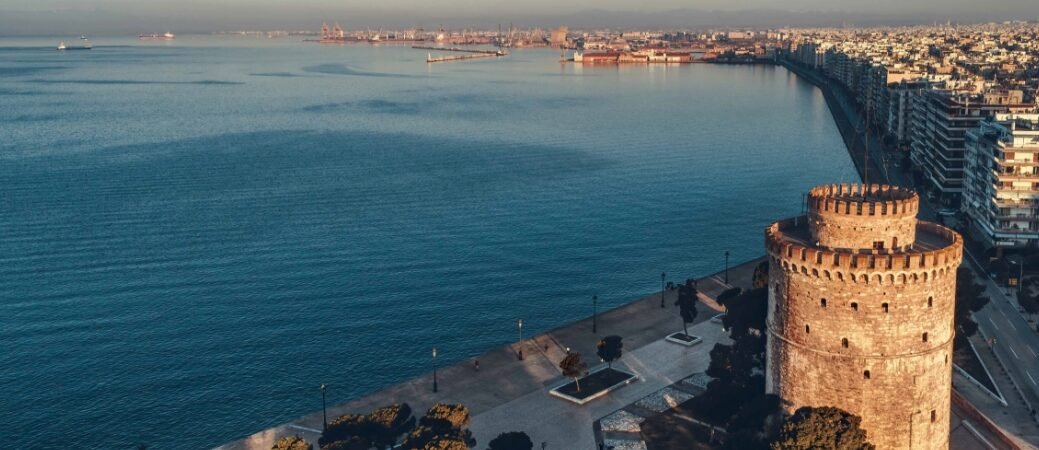
The impact of the Ottoman Empire is equally significant, introducing distinct architectural styles and cultural practices. The White Tower and numerous mosques serve as lasting reminders of this period. The fusion of customs from the Ottoman era continues to enrich Thessaloniki’s modern social fabric, reflected in festivals, cuisine, and artistic expressions.
In contemporary Thessaloniki, the blend of these diverse influences manifests in daily life, where residents celebrate various traditions, and cultural events attract both locals and tourists. This interplay of civilizations not only shapes the aesthetic appeal of Thessaloniki but also underscores its role as a dynamic hub of intercultural exchange.
Legends and Myths: The Stories of Thessaloniki
Thessaloniki, a city steeped in history, boasts a rich tapestry of legends and myths that form an integral part of its cultural identity. One of the most prominent tales is that of its namesake, Thessalonike, the half-sister of Alexander the Great. The legend suggests that the city was founded by Cassander, who named it after her in a bid to honor the royal bloodline and solidify his legacy. This myth not only highlights the importance of familial ties in ancient Greek culture but also reflects the city’s origins as a strategic hub in the Macedonian kingdom.
Another captivating narrative involves the tale of the White Tower, a symbol of Thessaloniki. According to local lore, the tower was initially constructed as a fortification and later transformed into a prison. It is whispered that the spirits of former captives still roam its halls, a legend that adds an air of mystery to this iconic structure. The White Tower serves as a poignant reminder of the city’s tumultuous history, illustrating how myths can evolve and shape collective memory across generations.
The stories of Thessaloniki also encompass the legend of St. Demetrius, the city’s patron saint. It is said that during the persecution of Christians, St. Demetrius performed miracles, healing the sick and protecting the faithful. His martyrdom and subsequent miracles have forged a strong spiritual connection among the people, leading to vibrant celebrations and festivals in his honor. This myth not only emphasizes the significance of faith in the city’s heritage but also illustrates the resilience of its inhabitants amidst adversity.
These legends and myths are far more than mere tales; they are a reflection of the cultural identity and shared experiences of the people of Thessaloniki. By examining these narratives, one can gain a deeper understanding of the values, beliefs, and historical context that have shaped this enchanting city over the centuries.
Modern Thessaloniki: A City of Continuity and Change
Thessaloniki, Greece’s second-largest city, exemplifies a unique fusion of its ancient heritage and modern dynamism. As a city steeped in history, Thessaloniki has successfully transitioned into a vibrant metropolis while preserving its rich cultural tapestry. Today, visitors can stroll through the bustling streets lined with contemporary cafes, boutiques, and offices, all of which stand in juxtaposition to the remnants of Roman walls and Byzantine churches, reflecting a continuity that defines the city.
One of the prominent features of modern Thessaloniki is its ability to adapt to the challenges posed by urbanization and globalization. The city has embraced innovation and entrepreneurship, fostering a thriving start-up culture that attracts young talent from various sectors. This blend of history and modernity is showcased not only in architecture but also in the lifestyle of its inhabitants. Residents take pride in the festivities that honour the ancient traditions, while also engaging with new global trends, creating a unique social fabric.
Despite its advancements, Thessaloniki faces challenges typical of contemporary cities, such as urban congestion, pollution, and economic fluctuations. The local government and community leaders are actively working on sustainable city planning to address these issues and promote a balanced urban environment. Initiatives aimed at enhancing public transport, green spaces, and smart city technology are increasingly pivotal in ensuring the city’s growth does not compromise its historical significance.
The connection between present-day Thessaloniki and its storied past remains strong. The city’s diverse population, influenced by centuries of migrations and cultural exchanges, contributes to a dynamic and inclusive atmosphere. This ongoing narrative of continuity and change ensures that Thessaloniki maintains its status not just as a historical landmark, but as a modern city poised to face future challenges while cherishing its extensive cultural legacy.
Conclusion: Embracing the Stories of Thessaloniki
Thessaloniki stands as a vibrant testament to the passage of time, narrating the tapestry of its ancient foundation through a multitude of stories that span centuries. From its establishment as a prominent city in the ancient world to its flourishing role as a hub of cultural exchange, Thessaloniki has been a witness to the ebb and flow of history. Each corner of this remarkable city harbors whispers of the past, offering visitors a deeper understanding of its rich heritage.
As we reflect on the journey of Thessaloniki, it becomes evident that this city is not merely a collection of historical landmarks but a living entity that continues to evolve. The remnants of Roman, Byzantine, and Ottoman influences coexist with modern architecture and vibrant street life, creating a unique atmosphere that invites exploration. The diverse neighborhoods, bustling markets, and serene waterfront all contribute to a narrative that is both complex and inviting.
For those who seek to delve into the essence of Thessaloniki, the city offers myriad opportunities to uncover its stories. Walking through its streets, one can encounter tales of resilience and creativity, of multiculturalism and identity. The numerous museums, galleries, and archaeological sites serve as portals to the past, revealing the significant events and figures that have shaped Thessaloniki into the city it is today.
In essence, Thessaloniki is a city that encourages curiosity and discovery. It beckons travelers to immerse themselves in its history and culture, ensuring that the stories it has to tell are not merely relics of the past but living narratives waiting to be explored. Thus, visiting Thessaloniki is an invitation to partake in an ongoing dialogue with its glorious past, revealing the multifaceted nature of this captivating city.